

The balance of power in the global automotive industry is changing — and quickly. At the 2026 Beijing Auto Show, Chinese manufacturers sent a clear message: they no longer want to compete only in the affordable segment. Now, the target is directly the European premium giants.
A new war: it's not price, it's value
For years, the Chinese market has been dominated by an aggressive price war in the electric segment. But that phase seems to be coming to an end.
According to industry analysts, the focus has shifted:
- from low prices
- to “value for money”
In other words, more technology, more equipment, and more performance for less money.
German premium under pressure
Brands like BMW, Mercedes-Benz, and Porsche now face a direct challenge in their most profitable territory.
The numbers already show worrying signs:
- cumulative sales in China have fallen by about 25% since 2019
- all major German groups reported declines in the first quarter
“9-series” SUVs and technological offensive
The Beijing Auto Show brings an avalanche of new models, including:
- 181 new vehicles
- 71 concept cars
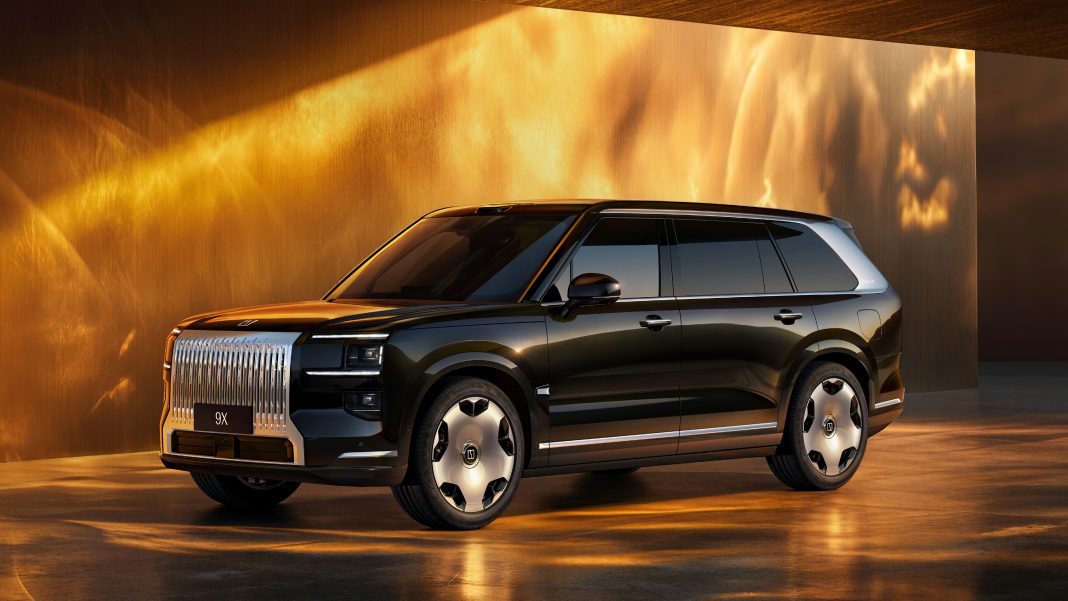
Among them, a new generation of large premium SUVs stands out — the so-called “9-series” — with a strong focus on technology, comfort, and presence.
Clear example: the new rival to European giants
One of the most emblematic cases is the new SUV from the Zeekr brand (part of the Geely group):
- price below 53,000 dollars
- advanced safety and autonomous driving technology
- innovative features (such as being able to exit tight spaces on its own)
In performance tests presented by the brand, this model surpassed benchmarks such as:
- Porsche Cayenne
- BMW M5
— models that cost several times more.
Technology as the main weapon
Chinese manufacturers are capitalizing on three key areas:
- artificial intelligence
- advanced assistance systems
- complete digital integration
Unlike traditional brands, which still rely heavily on heritage and reputation, new players are betting on a more future-oriented vision.
Change in consumer profile
The Chinese market is also changing:
- average age of buyers has risen
- demand for larger and more premium vehicles has increased
- less interest in the historical heritage of brands
For many consumers, technological innovation weighs more than traditional prestige.
Europe is the next battleground
After consolidating their position in the domestic market, Chinese brands are accelerating their international expansion.
Despite European tariffs on electric vehicles, they continue to offer competitive prices. Additionally:
- hybrids and combustion engines are not affected by these tariffs
- competitiveness remains high
A global threat in the making
Industry analysts are clear: what seemed impossible five years ago — Chinese consumers preferring premium local brands — is now a reality.
Now, the big question is whether this trend will repeat outside of China, especially in Europe, where German brands continue to be a reference.
The end of an era… or the beginning of another?
What is happening at the Beijing Auto Show is not just a market evolution — it is a structural change.
Chinese manufacturers have stopped being followers. They are now setting the pace.
And, for the first time in decades, the dominance of European premium brands is seriously threatened.