

Title: The Erosion of Human Skill in F1: Are Drivers Becoming Obsolete?
In a shocking revelation that could change the landscape of motorsport as we know it, Formula 1 is facing a profound crisis: the delicate balance between man and machine is tipping dangerously towards technology, leaving the human element in the dust. As we approach the 2026 regulations, the question arises: Are drivers becoming mere passengers in their own cars?
Historically, the essence of motorsport has been built on the synergy of driver prowess and engineering marvels. However, a recent deep dive into driver performance metrics reveals a startling trend—this year, it's become increasingly difficult to assess the individual contributions of drivers on the track. After meticulously analyzing over 250 Grand Prix races since 2009, the conclusion is clear: the current regulations are stifling the very essence of what makes a great driver.
The stark differences in performance across tracks like Australia, Japan, and China have illuminated a troubling reality. The challenge of deciphering who truly excels has never been more elusive. This discrepancy can be partly attributed to the drivers grappling with the intricacies of new regulations, but the core issue lies within a paradigm shift that fundamentally alters the role of the driver.
With self-learning mechanisms dictating energy deployment, drivers are often left bewildered. Take Lando Norris's recent admission of unintentionally executing an overtaking maneuver—such instances are no longer anomalies but a reflection of a system that has undermined driver autonomy. The art of driving, once celebrated for its intricacies, has been reduced to a series of calculations where pushing the limits can actually hinder performance.
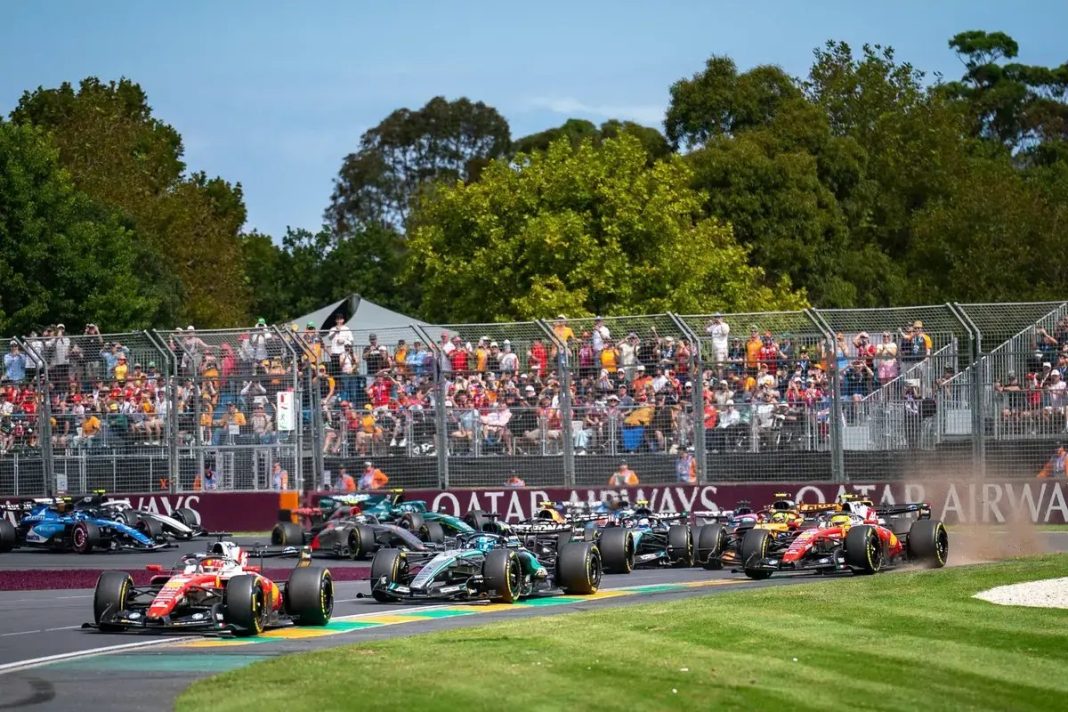
As Oscar Piastri pointed out after the Australian Grand Prix, “It’s not quite as simple as just who’s the bravest and who carries the most speed.” In a baffling twist, drivers are now forced to sacrifice speed in corners to gain time on straights, flipping the script on what it means to excel in F1.
This alarming trend signifies a departure from the traditional driving challenge. Gone are the days when drivers could showcase their skill by managing tyre wear over a qualifying lap. Instead, consistency has taken precedence over daring maneuvers, turning thrilling push laps into relics of the past.
Furthermore, the thrill of watching drivers masterfully dance on the edge of grip has been overshadowed by regulations that penalize risk-taking. As the cars grip the track like they’re on rails, the very essence of driving finesse is at risk of becoming obsolete. The narrow margins that once defined greatness are now flattened, leaving drivers feeling frustrated and powerless.
The implications of this shift extend beyond the drivers themselves; they threaten the very fabric of F1’s commercial viability. As F1 CEO Stefano Domenicali has poignantly stated, drivers are “like gladiators,” and their battles on track are what draw fans in. But if these gladiators are stripped of their weapons, what value do their confrontations hold?
With impending rule changes on the horizon, F1 must grapple with the reality that the current trajectory is unsustainable. The sport has too often prioritized one guiding principle—the 50/50 split of electric motor and V6 power—over the holistic experience of racing. This narrow focus has inadvertently diminished the drivers' capacity to make a meaningful impact, leaving them subservient to the energy management systems.
As F1 navigates this tumultuous landscape, it should serve as a stark reminder: the driver’s contribution is not just a footnote in the sport’s history; it’s the heartbeat of F1’s brand equity. The sport must not lose sight of what truly matters—an exhilarating competition where human skill shines alongside technological advancement. If Formula 1 neglects this foundational aspect, it risks alienating its most passionate supporters and jeopardizing its future. The time for reflection and reform is now. Will F1 rise to the occasion, or will it continue down this perilous path? Only time will tell.