Unpacking 'Super-Clipping': The Controversial New Technique Shaking Up F1 in 2026!
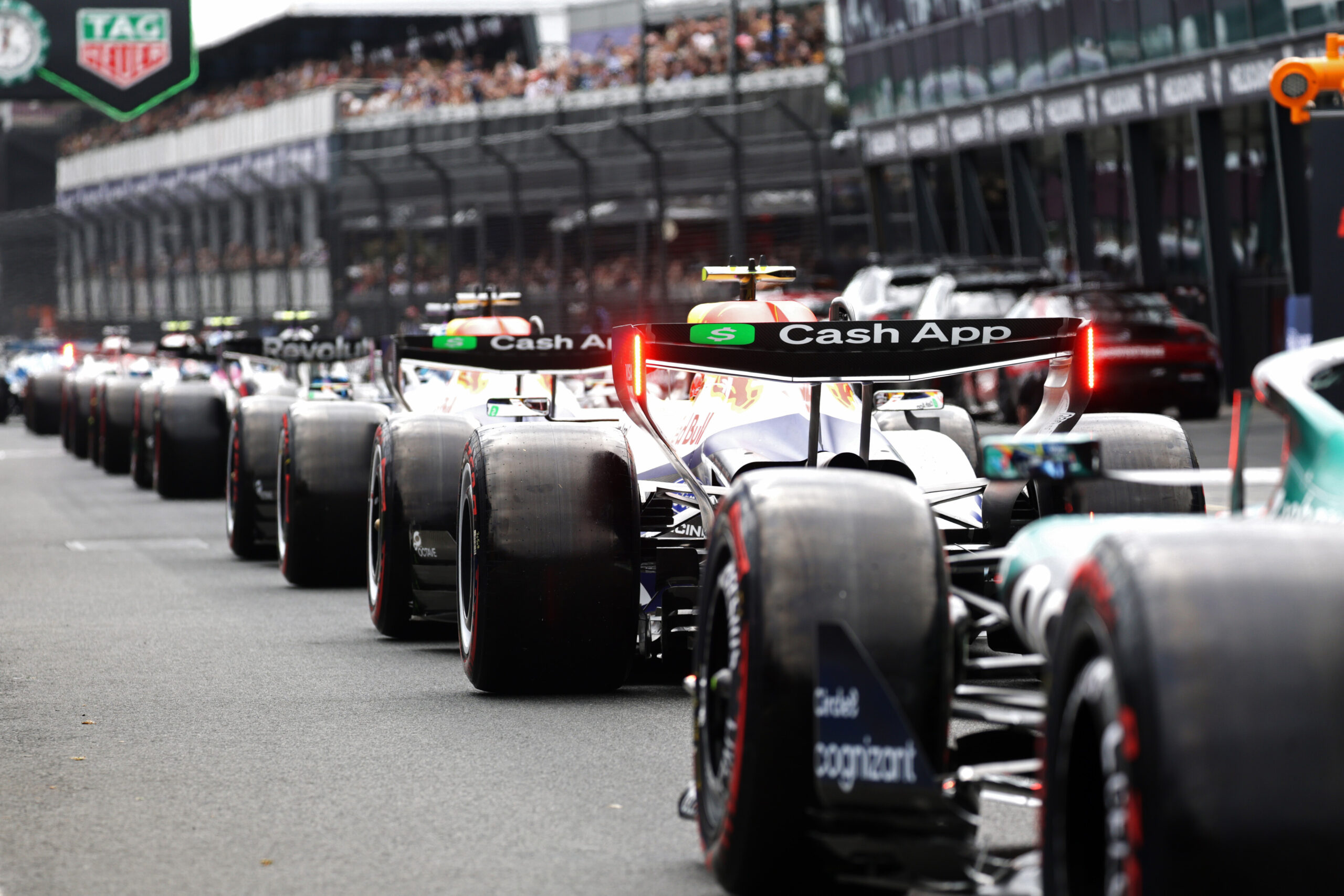
As the engines revved up at the Australian Grand Prix, a new buzzword echoed through the paddock and across the airwaves: *super-clipping*. If you’ve been following the 2026 Formula 1 season, you’ve likely heard commentators like David Croft hammering this term home, but what does it actually mean, and why is it igniting such fierce debate among drivers?
The 2026 season is set to redefine the sport, but not necessarily for the better. The unveiling of the new cars in Melbourne painted a grim picture for many. Mercedes emerged as the only team leaving the event with a smile, as George Russell clinched victory, leaving the rest of the grid — and fans — in a state of discontent. The shift toward energy management over traditional racing thrills has ignited a storm of complaints from drivers and fans alike.
So, what exactly is *super-clipping*? At its core, this complex technique is a method of harvesting and recapturing electrical energy from the new power units, which is crucial for performance in the 2026 season. Traditionally, drivers would lift and coast to manage energy. However, *super-clipping* takes it a step further. It involves harvesting energy at the end of a straight or during high-speed corners, even when the driver is fully pressing the throttle. This means that drivers are forced to decelerate, sacrificing top speed for energy recovery. It's a strategic maneuver but comes at a cost — the trade-off in power can be significant, leaving fans longing for the raw speed and excitement of classic F1 racing.
The criticism from the drivers has been resounding and unequivocal. Lando Norris, speaking candidly after Saturday’s events, declared the 2026 machines as “probably the worst ever made,” highlighting the ineffective 50/50 split between internal combustion engines (ICE) and electrical power. He lamented the excessive deceleration before corners, which is precisely what *super-clipping* demands. Max Verstappen and other top drivers echoed similar frustrations, voicing their dismay over the new driving dynamics that *super-clipping* enforces.
The paddock is rife with complaints, and the sentiment is crystal clear: the drivers are not on board with the current state of affairs. Many are calling for urgent discussions with F1's decision-makers to revamp this controversial technique and restore the adrenaline-fueled essence of racing that fans crave.
As the 2026 season unfolds, one thing is certain — *super-clipping* is not just a technical term; it's a lightning rod for controversy, capturing the frustrations of a generation of drivers and fans alike. Only time will tell how this will affect the future of Formula 1, but for now, the outcry is loud and clear: F1 must listen to its drivers, or risk alienating its passionate fanbase.