In the first nine months of 2025, according to Jato Dynamics, more than one million electric cars were sold in the U.S., representing an 11% increase compared to the same period last year. For the consultancy, this is an important result, as it could signify a victory over the skepticism with which many Americans approach the technology.
Thus, from January to September, in the second largest market in the world, the share of electric vehicles was 8.3%. Also according to Jato, during the same period, sales of hybrids (HEV) and Plug-In hybrids (PHEV) also increased significantly, accounting for more than one in five new cars registered in the U.S. The former represented over 1.5 million registrations (a growth of 33.3% compared to 2024).
Tesla was the brand that sold the most electric vehicles in the U.S. during the analyzed period, with the American manufacturer achieving a market share of around 40%. However, Jato notes that competition is increasing, but not at the same pace as in China or Europe. According to the same source, in 2019, only 19 electric models were available for sale in the U.S., a number that increased to 42 in 2022, and to 82 in 2025.
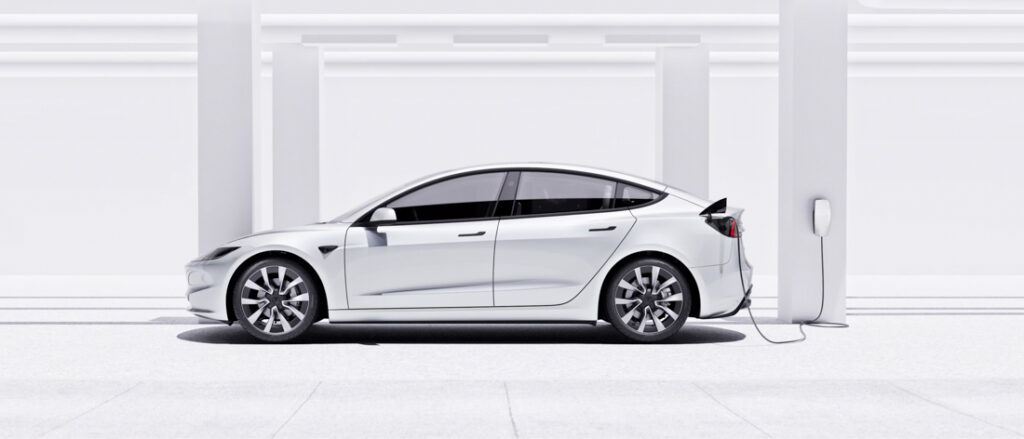
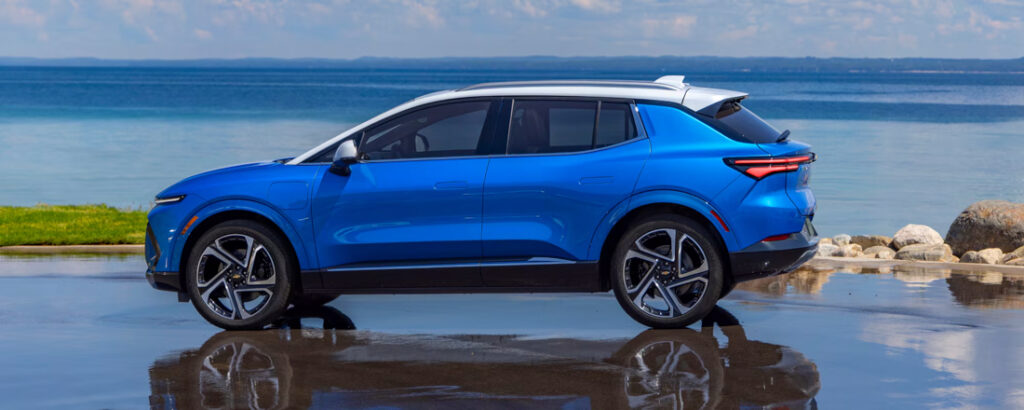
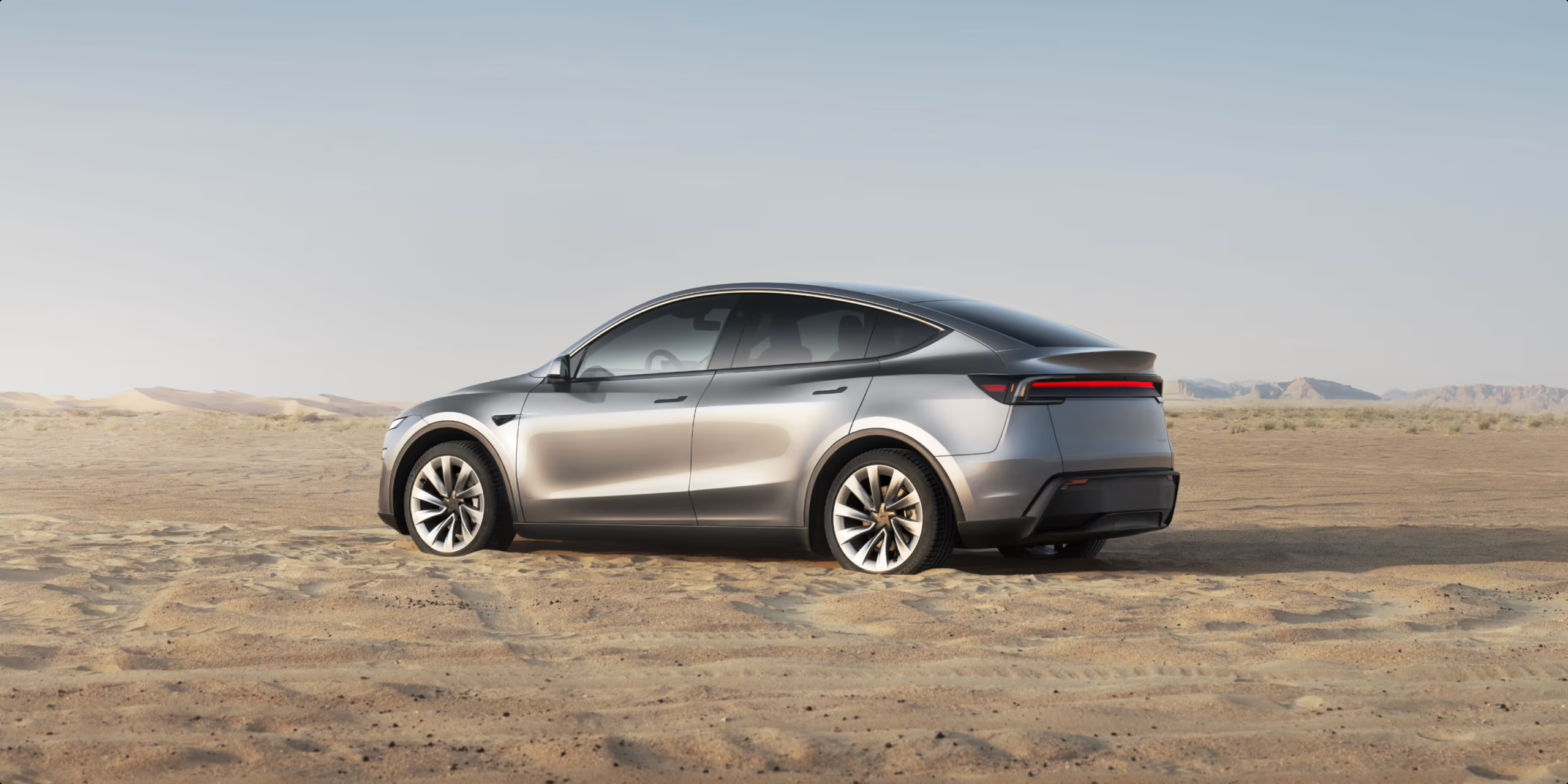
The best-selling electric car in the U.S., not surprisingly, was the Model Y, with about 253,000 units, which still represented an 11.8% drop in demand for Tesla’s SUV. In second place on the list was another model from the Palo Alto company, the Model 3, with 156,000 units (in this case, however, there was an 18.3% increase in registrations). Chevrolet, a General Motors brand, with the Equinox EV, completed the “top 3,” with 53,000 registrations (+390%).
The other cars among the ten best-selling electric vehicles in the U.S. during the first nine months of 2025 were, in this order, Ford Mustang Mach-E, Hyundai Ioniq 5, Honda Prologue, VW ID.4, Ford F-150, Rivian R1S, and Chevrolet Blazer EV.