

F1's Bold 2026 Revolution: Are We Witnessing the Future of Racing or a Recipe for Disaster?
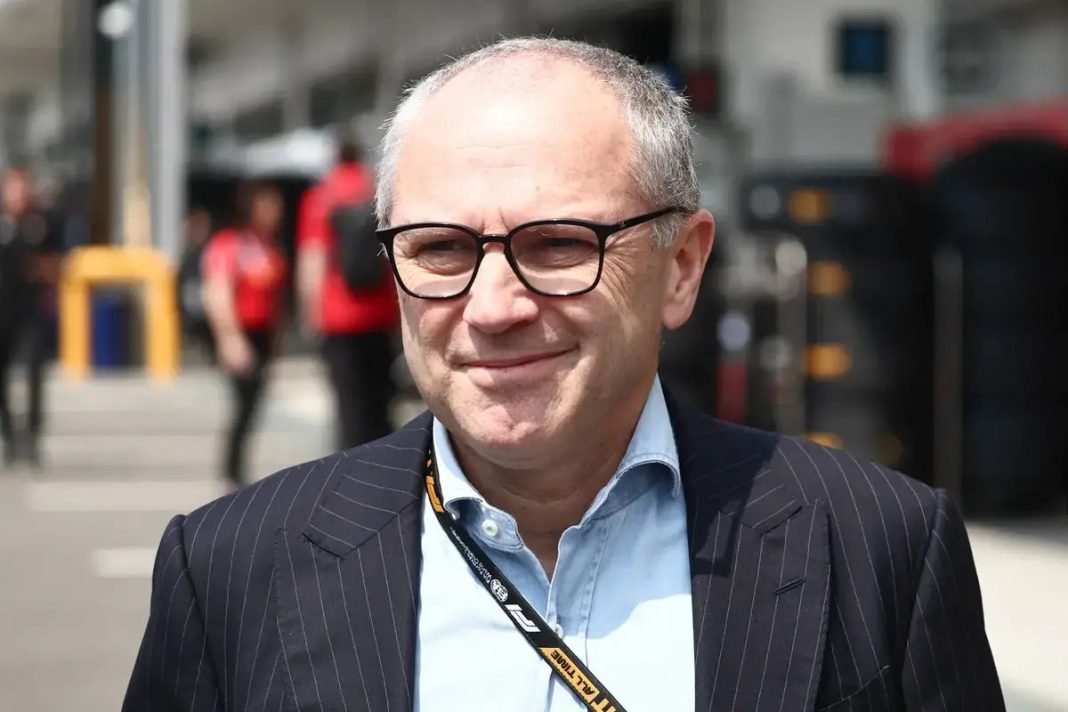
In an exhilarating twist for motorsport enthusiasts, Stefano Domenicali, the indomitable CEO and president of Formula 1, has thrown his weight behind the radical changes slated for the 2026 season. As the championship gears up for a seismic shift, the spotlight is firmly on the innovative technical regulations designed to usher in a new era of racing, but not without stirring up a whirlwind of controversy and concern.
The 2026 regulations, which are set to dramatically reshape the landscape of Formula 1, feature a striking pivot towards electrification. With an ambitious near 50-50 split between the internal combustion engine and hybrid technology, this shift promises to redefine what it means to compete at the highest level of motorsport. The inclusion of advanced sustainable fuels, active aerodynamics, and a reduction in downforce for lighter vehicles is not just about performance; it's about survival in an increasingly eco-conscious world.
The initial results from the first three grands prix of the season have been tantalizing, showcasing a significant uptick in overtaking maneuvers. However, this newfound excitement comes at a cost, as drivers are now forced to adopt a “lift-and-coast” strategy to recharge their batteries mid-race, leading to fears of a compromised qualifying format. The stakes are high, and the tension is palpable following a harrowing high-speed incident involving Haas driver Oliver Bearman in Japan, highlighting the risks associated with the new regulations.
As the pressure mounts, F1 stakeholders—including teams, the FIA, and power unit manufacturers—are convening urgently to address these pressing concerns. With the Miami Grand Prix just around the corner, Domenicali reassures fans and participants alike that the championship is on a constructive path, stating, “We are managing it in the right way, with no panic, with a solid foundation, being ready to have different options.”
Domenicali emphasizes that the dramatic overhaul was essential for the survival of the sport, aiming to retain existing manufacturers and attract new players to the grid, including the likes of Audi, Ford, and General Motors. With Renault's recent exit as an engine supplier, the urgency is palpable—F1 must evolve or risk becoming obsolete. “Five years ago, manufacturers believed they needed a balance between combustion and electrification to remain relevant,” he elaborated, “and that was the catalyst for this monumental change.”
Yet, the shift hasn’t been without its critics. Some fans and drivers have voiced their dissatisfaction, arguing that the essence of F1 is being diluted. Domenicali, however, remains undeterred. He insists that the current regulations are a necessary stepping stone and that discussions are underway to fine-tune the rules without compromising the integrity of racing. “Qualifying has always been the battlefield for drivers to push their limits,” he asserts. “We are working with the FIA, teams, and drivers to find the right adjustments.”
Despite the backlash, Domenicali points to encouraging statistics: attendance at the season's opening races in Australia, China, and Japan has soared to record levels, and TV viewership has surged by an impressive 25% year-on-year in key markets. “The feedback from new fans is overwhelmingly positive,” he stated, “People are thrilled by the action, and that’s what we need to focus on.”
Domenicali dismisses the notion that the increased overtaking due to battery management is artificial. Drawing parallels with past eras of F1, he states, “What is artificial? Overtaking is overtaking.” He urges critics to embrace the changes, emphasizing that every era of racing has had its challenges and adaptations.
As the Miami Grand Prix looms, the eyes of the motorsport world will be watching closely. Will the adjustments promised by F1 management quell the rising tide of criticism? Or are we on the brink of a new chapter that could redefine the sport forever? One thing is certain: the road ahead is fraught with challenges, but for Formula 1, the race has only just begun.