Lewis Hamilton's Shocking Admission: New F1 Cars 'Feel Slower' Than F2!
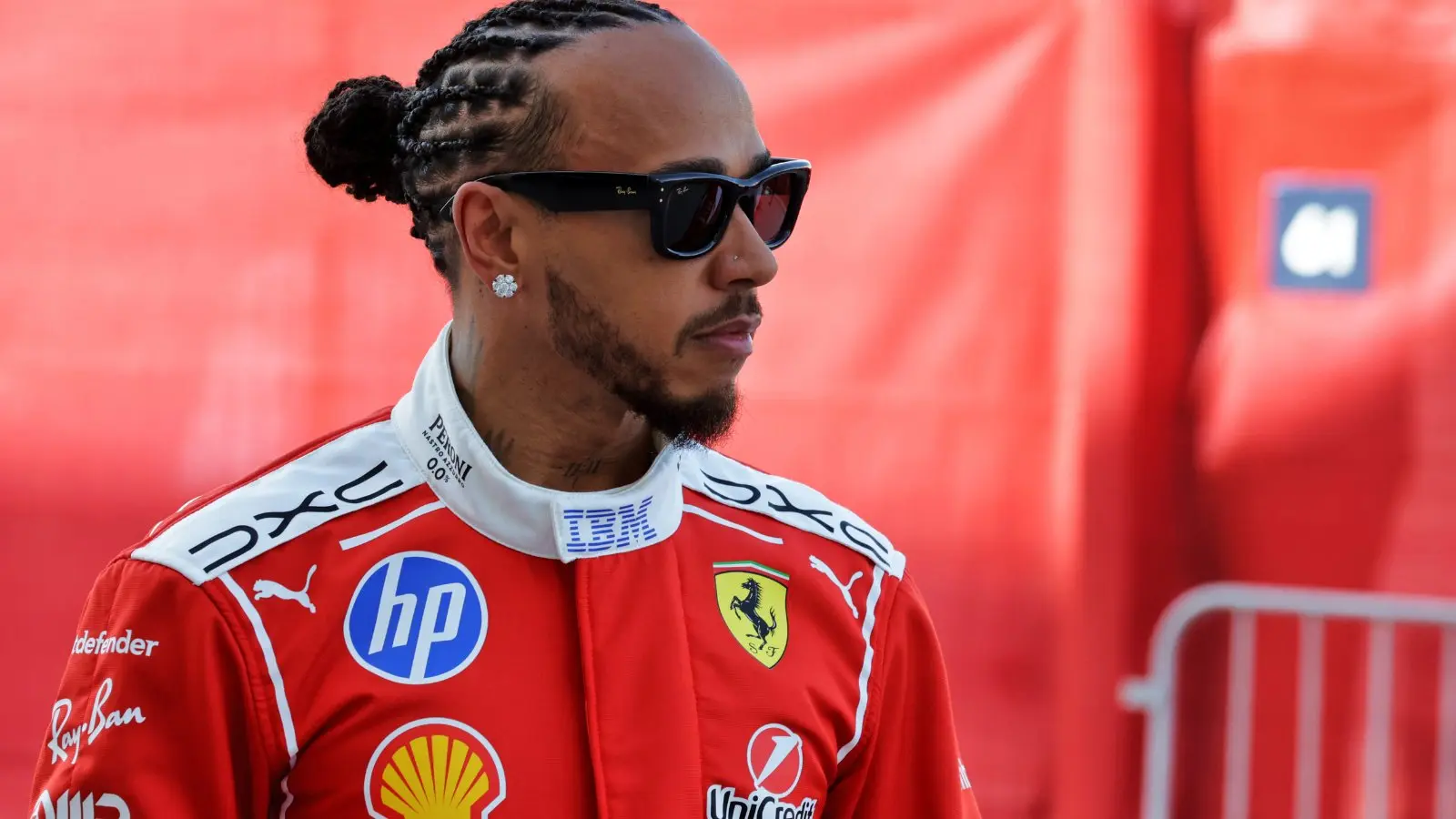
In a stunning revelation that is sending shockwaves through the Formula 1 community, seven-time world champion Lewis Hamilton has boldly claimed that the newly introduced F1 cars feel “slower” compared to their Formula 2 counterparts. While he admits that these latest machines are “a more fun car to drive” than the previous models, the implications of his statement raise serious questions about the performance dynamics of the sport.
Hamilton, who has been known for his candid assessments of F1 regulations, was speaking to the media following a session at the Bahrain International Circuit, where he finished fourth fastest—one full second behind Red Bull's Max Verstappen. His critique of the new ground effects cars is striking, especially when he stated, “It does feel like we’re slower than GP2 [F2], right now.” This assertion has ignited heated discussions, as the pole time in F2 last season was clocked at 1:44.08, whereas Verstappen's best time this year was an impressive 1:35.433.
Reflecting on his experience, Hamilton noted that the new cars have significantly less downforce, making them feel lighter and easier to handle. “The car is shorter, it's lighter, and it's actually easier to catch,” he remarked, likening the driving experience to that of rallying. However, despite this newfound agility, the performance still left him wanting, especially compared to the previous generation of cars.
The British racing star further elaborated on the challenges faced during the Bahrain session, specifically the difficult weather conditions. “Barcelona didn’t feel too bad,” he recollected, “but here [in Bahrain], it’s been very gusty and a lot hotter, making it much harder to find the right balance. So I think everyone's struggling.” The harsh elements of Sakhir seem to have left their mark on his driving, but Hamilton is keen to temper expectations as he navigates these early days in a new era of F1.
When pressed about whether the new cars suit his driving style better than those of the past, Hamilton was cautious, stating, “It doesn’t feel anything like the genre before, and it’s really just far too early days.” He emphasized the need for further testing and optimization of the car's various components, from tire performance to aerodynamics. “Haven't optimized the tyres, haven't optimized the aero package yet,” he reiterated, underscoring the significant adjustments still needed.
As the 41-year-old driver prepares for a potentially tumultuous season, one thing is clear: Hamilton's insights will be crucial for fans and teams alike. With the new F1 season unfolding, the spotlight is on whether these revised cars can truly compete at the level expected—and whether Hamilton can adapt to the challenges they present. This season promises to be anything but ordinary, and fans will be watching closely to see how this narrative develops!