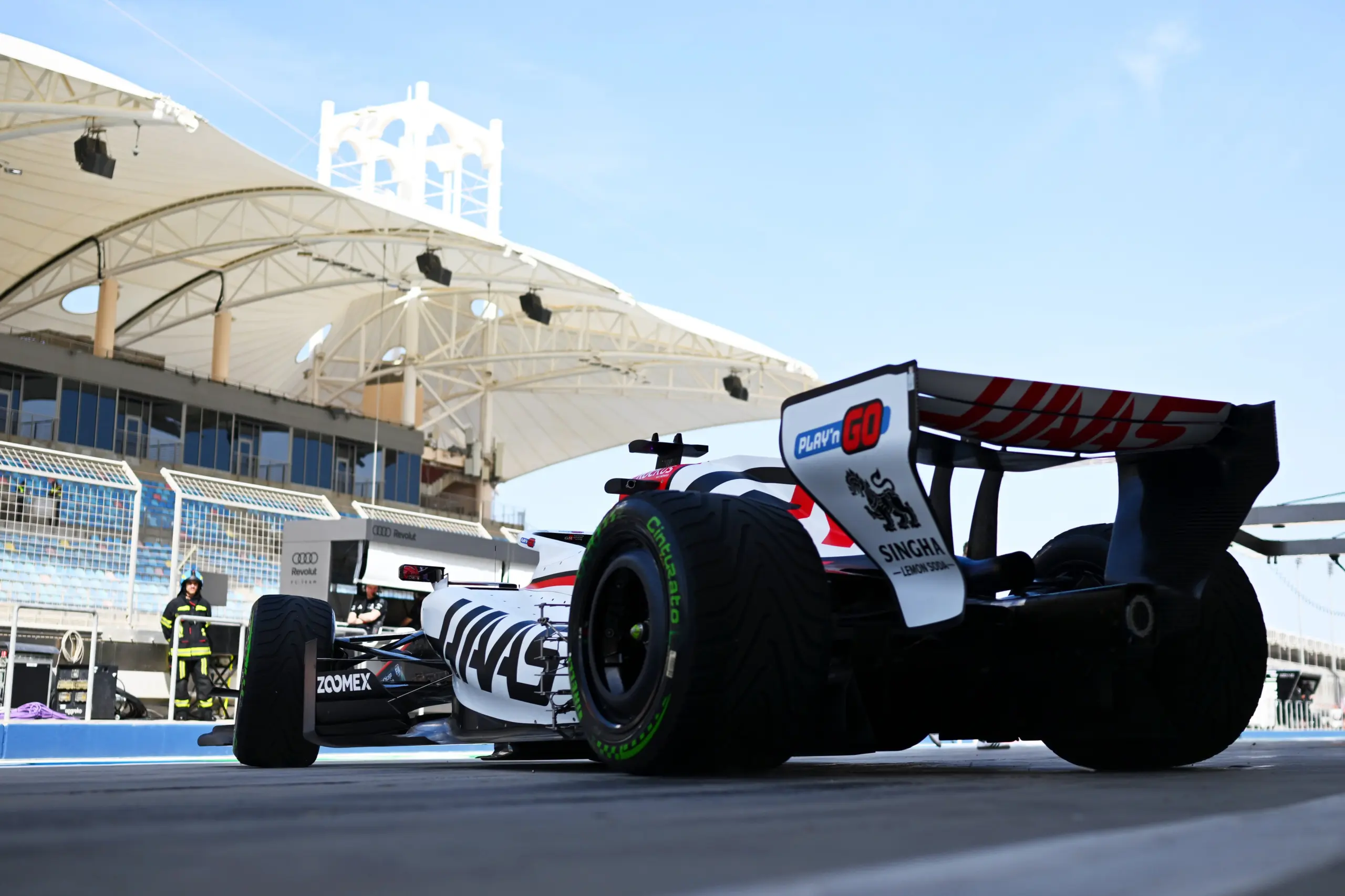
F1'S NEW ERA BEGINS: HAAS DRIVER REVEALS DISAPPOINTMENT AFTER FIRST TEST WITH 2026 CAR
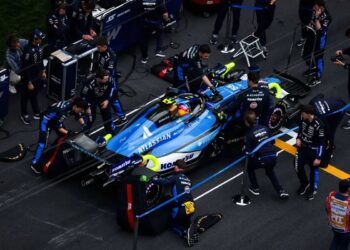
In a shocking revelation that has sent ripples through the motorsport community, F1 star Ollie Bearman has expressed his discontent following his inaugural drive in the much-anticipated 2026 car. The Haas F1 driver’s candid remarks have raised eyebrows, as they highlight the daunting challenges that lie ahead for competitors in the upcoming season.
The 2026 Formula 1 championship is set to introduce a groundbreaking shift, pushing the boundaries of technology and performance. With 11 teams and 22 skilled drivers gearing up for fierce competition, the stakes have never been higher. Renowned for their dominance, Mercedes has emerged as the frontrunner, leveraging their extensive experience in navigating regulatory changes. The Silver Arrows made history by clinching an unprecedented eight consecutive Constructors' Championships from 2014 to 2021, alongside seven Drivers' Championships, thanks to the stellar performances of legends like Lewis Hamilton and Nico Rosberg.
This year, the championship will retain the turbo-hybrid engine format that transformed F1 in 2014, replacing the old 2.4-litre V8s with 1.6-litre V6 turbo-hybrid power units. However, the 2026 season brings about the most significant overhaul in chassis and engine regulations seen in modern F1 history. While the power units remain turbo-hybrid, they will incorporate substantial changes aimed at enhancing performance and sustainability. A 50/50 split between electric and combustion power is on the horizon, with the electric MGU-K nearly tripling its output to a staggering 350kW. In contrast, the internal combustion engine’s power will decrease to 400kW. The removal of the MGU-H marks a pivotal shift towards utilizing 100% sustainable fuel, but this transition comes at a cost—complex energy management that demands intense focus from drivers.
Bearman, the young British talent, voiced the struggles that he and his fellow competitors will face with this new energy management system. “The annoying thing is definitely the energy management, the clipping and all of these things,” he lamented. “It's definitely more than what we've been used to, but that's a given, considering the reliance on electrical as opposed to the previous generation. [It's] To be expected, but actually feeling it in reality for the first time is a little bit sad. One of those things.”
As the clock ticks down to the start of the season, anticipation is building. Bearman will take to the track in his Ferrari-powered Haas when the 2026 season kicks off at the Australian Grand Prix in Melbourne on March 8. The excitement reaches a fever pitch as the first round of pre-season tests is slated to begin in Bahrain from February 11 to 13, followed by the second round from February 18 to 20.
With Bearman’s honest appraisal ringing in our ears, the question looms: will the 2026 season deliver the thrilling spectacle F1 fans crave, or will the new challenges prove too formidable for even the most seasoned drivers? Buckle up; it’s going to be a wild ride!