A study on the health of electric vehicle batteries concluded that charging power is the factor that most influences their condition and durability. According to Geotab, a company specialized in fleet management and connectivity solutions, their average annual degradation is 2.3% (1.8% in the report presented in 2024), an increase that results, the same source notes, from the growing dependence on direct current charging stations.
This is an important fact considering that the level of degradation of electric vehicle batteries remains at the top of all users’ concerns. Geotab’s data shows that the technology provides consistent performance over many years, even with the increase in fast charging. For the most recent study, actual data from over 22,700 vehicles from 21 brands and several years of telematics information were considered. After analyzing these records, the above conclusions were reached – both the increase in the average and the reason behind it.
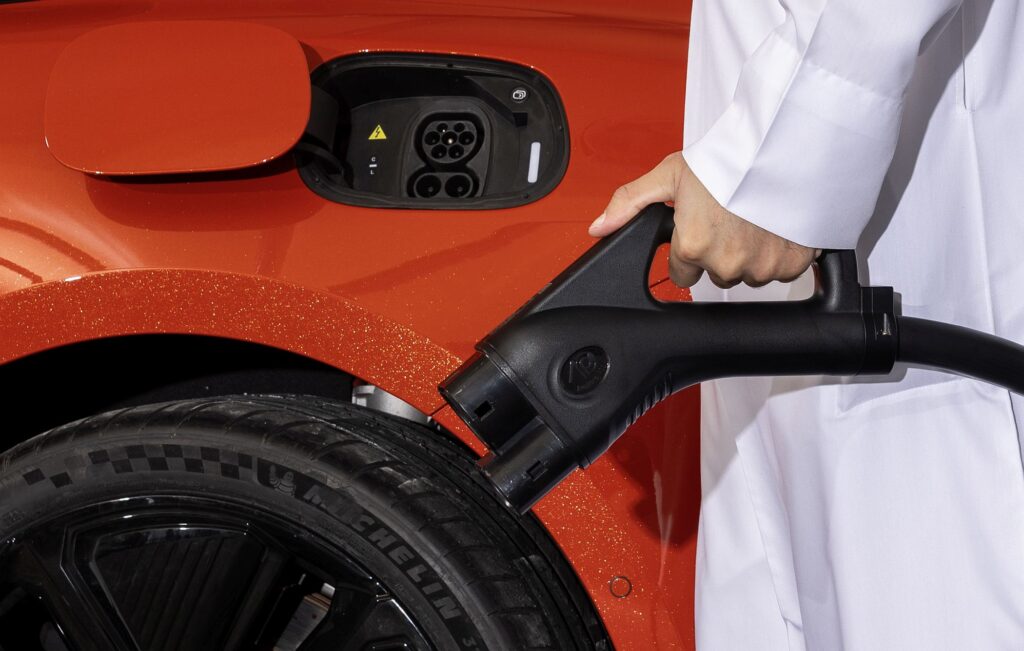
Still, and also according to Geotab, variations are recorded depending on charging routines: in vehicles that frequently use operations with powers above 100 kW, the battery degradation rate is higher, averaging up to 3% per year. When using more alternating current (AC) charging and powers below 100 kW, the average drops to 1.5%. There are more factors impacting this item, namely climate: in warmer regions, degradation is about 0.4% higher per year compared to what occurs with vehicles operating in temperate climates.
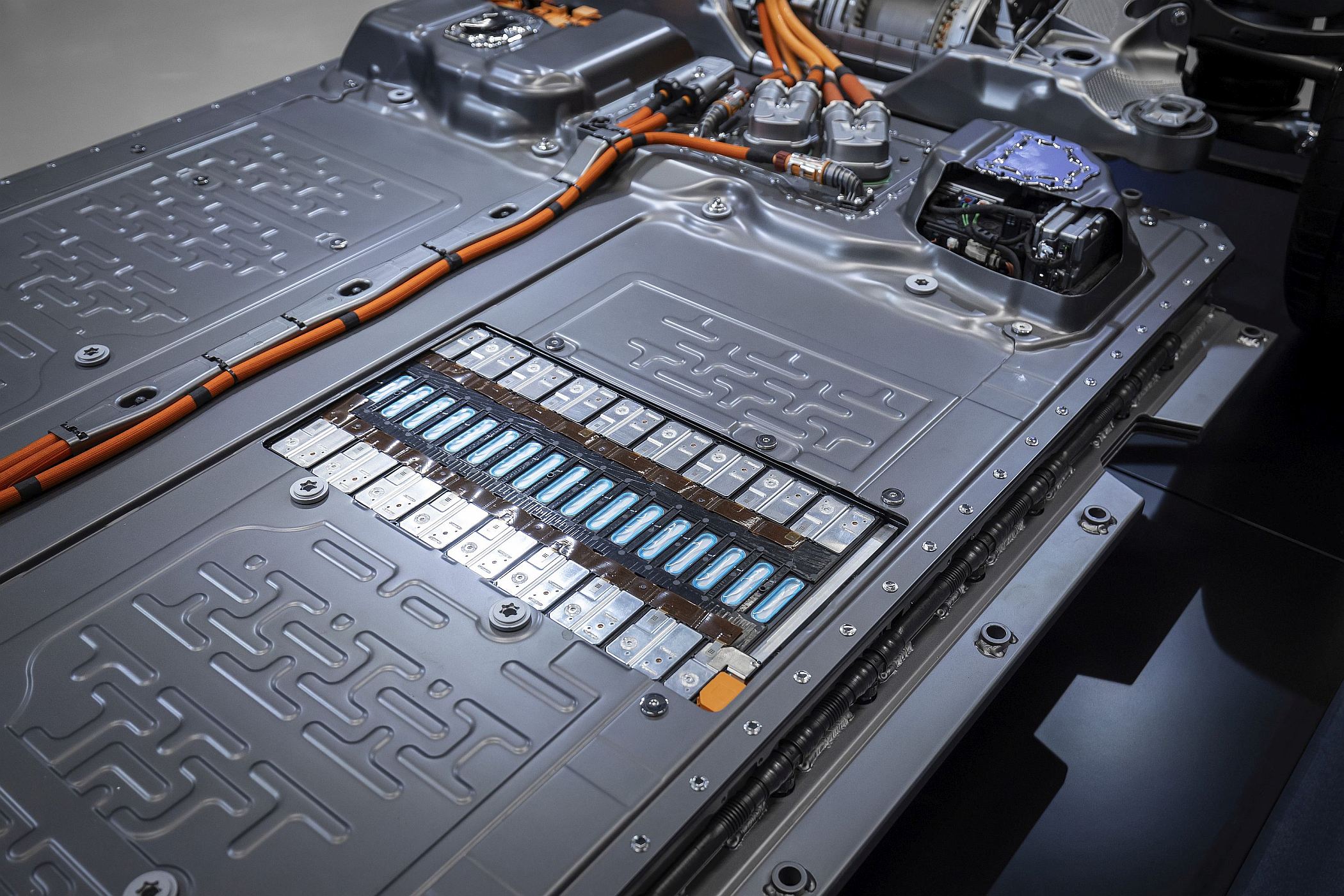
The degradation of the battery occurs naturally and reduces, over time, the amount of energy it can store. The state of this vital component for electric vehicles is measured using the assessment of its state of health (“State of Health” – SOH), starting at 100% usable capacity. Then, progressively, it loses capabilities. For example, a battery with a capacity of 60 kWh and a SOH of 80% behaves, in practice, like one with a capacity of 48 kWh, which obviously reduces the range.
Since the lifespan of batteries is a concern for both private drivers and fleet managers, many companies in the sector seek to understand how they age based on load, climate, and usage patterns. This observation allows operators to manage performance more rigorously, better protect the health of the battery, and, above all, make more informed decisions regarding vehicle allocation and charging strategies.
“The health of electric vehicle batteries remains strong, even when using increasingly higher powers, which allows for faster charging, and driving these vehicles intensively,” says Iván Lequerica from Geotab. “Charging behavior has changed, and now it plays a much more significant role in the speed of battery degradation. This knowledge provides operators the opportunity to manage long-term risks through intelligent charging strategies,” he concluded.
Geotab’s data also shows that most electric vehicle batteries exceed customer expectations and the usual ownership and fleet renewal timelines, although degradation rates vary depending on charging behaviors and usage patterns.