
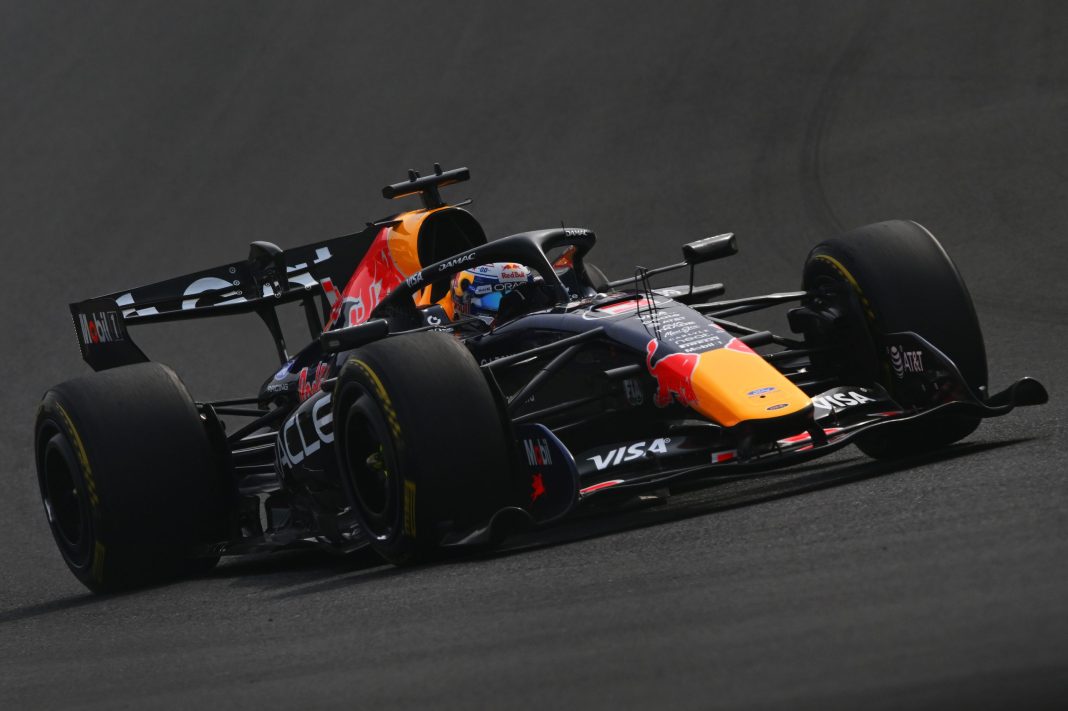

Red Bull Racing in Crisis: Can They Overcome Haas and Alpine's Surprising Lead?
In an astonishing twist of fate, Red Bull Racing finds itself trailing behind not one, but two of Formula 1's midfield contenders: Haas and Alpine. As the constructors' championship heats up, the once-mighty Red Bull is languishing in a shocking sixth place, a situation that has left fans and analysts alike reeling. With only 16 points to show for their efforts from the first three races, the team is tied with Alpine and two points shy of Haas. This is a stark contrast to the dominance they displayed just a year ago.
The RB22, Red Bull's current contender, has been a source of frustration for star driver Max Verstappen. After the Chinese Grand Prix, Verstappen didn't hold back in his critique, stating, “Just a lot of graining, can't push, terrible pace, terrible balance.” It’s clear that the car is struggling, with team principal Laurent Mekies admitting the vehicle suffers from “significant shortcomings.” Technical evaluations have revealed that the RB22 is the slowest Red Bull model produced in over a decade, plagued by fundamental aerodynamic flaws rather than issues with the power unit.
Yet, to dismiss Red Bull entirely would be a grave mistake. Despite high-profile exits—including the likes of Adrian Newey and Gianpiero Lambiase, who is set to join McLaren—Red Bull still boasts a wealth of resources that could facilitate a turnaround. Former F1 driver Jolyon Palmer warns against underestimating their potential, especially with substantial upgrades anticipated for the Miami Grand Prix. “With the resources that Red Bull has, you don’t want to give them a month to pore through data, work on the car, and bring new parts,” Palmer emphasized. While there have been significant departures, the team remains a formidable force with the infrastructure to bounce back.
On the other hand, both Haas and Alpine are not resting on their laurels. Haas is aggressively front-loading its development program, with head of car engineering Hoagy Nidd declaring, “We're pushing as hard as we can to bring as much to the car early on.” Alpine is also strategizing with major updates planned at specific intervals, with Miami being a crucial milestone. Palmer noted, “Alpine said at the start of the year that they're going to bring big upgrades at set intervals. I believe one is Miami as well, so not quite as front-loaded as Haas, maybe, but they're playing the long game this year.”
Palmer remains optimistic that Red Bull's superior baseline performance will eventually prevail. “Maybe they can keep fighting Red Bull for the moment, but you just feel that as soon as Red Bull figures it out, they've got the baseline to be much quicker than they've shown,” he asserted. The burning question now is whether Red Bull can unlock its potential fast enough to outpace its rivals before they establish an unassailable lead.
As the racing world holds its breath, one thing is certain: 2026 could be a pivotal year for Red Bull Racing. Will they reclaim their status at the top of the grid, or will this be the year they are remembered as having fallen from grace? The next race in Miami could be the turning point in this gripping saga. Fans and experts alike are left to ponder: Can Red Bull rise from the ashes, or is this the beginning of an unprecedented decline? The clock is ticking, and the pressure is mounting!