Xiaomi reported record financial results for 2025, highlighting robust growth across all its business areas. The Chinese tech company recorded total revenues of 457.3 billion yuan, representing a year-on-year increase of 25%, while adjusted net profit rose by 43.8%, reaching a historic high of 39.2 billion yuan.
Integrated strategy drives growth across all areas
The positive evolution comes in the context of strengthening the “Human × Car × Home” strategy, with the company consolidating the integration between devices, mobility, and services.
One of the biggest highlights was the smart electric vehicle segment, artificial intelligence, and new initiatives, which saw a significant growth of 223.8%, reaching revenues of 106.1 billion yuan. This figure surpasses the 100 billion mark for the first time and also represents the first year with positive operating results in this area.
The smartphone business generated revenues of 186.4 billion yuan, while the IoT and lifestyle products segment reached a new high of 123.2 billion yuan.
Electric cars take center stage in growth
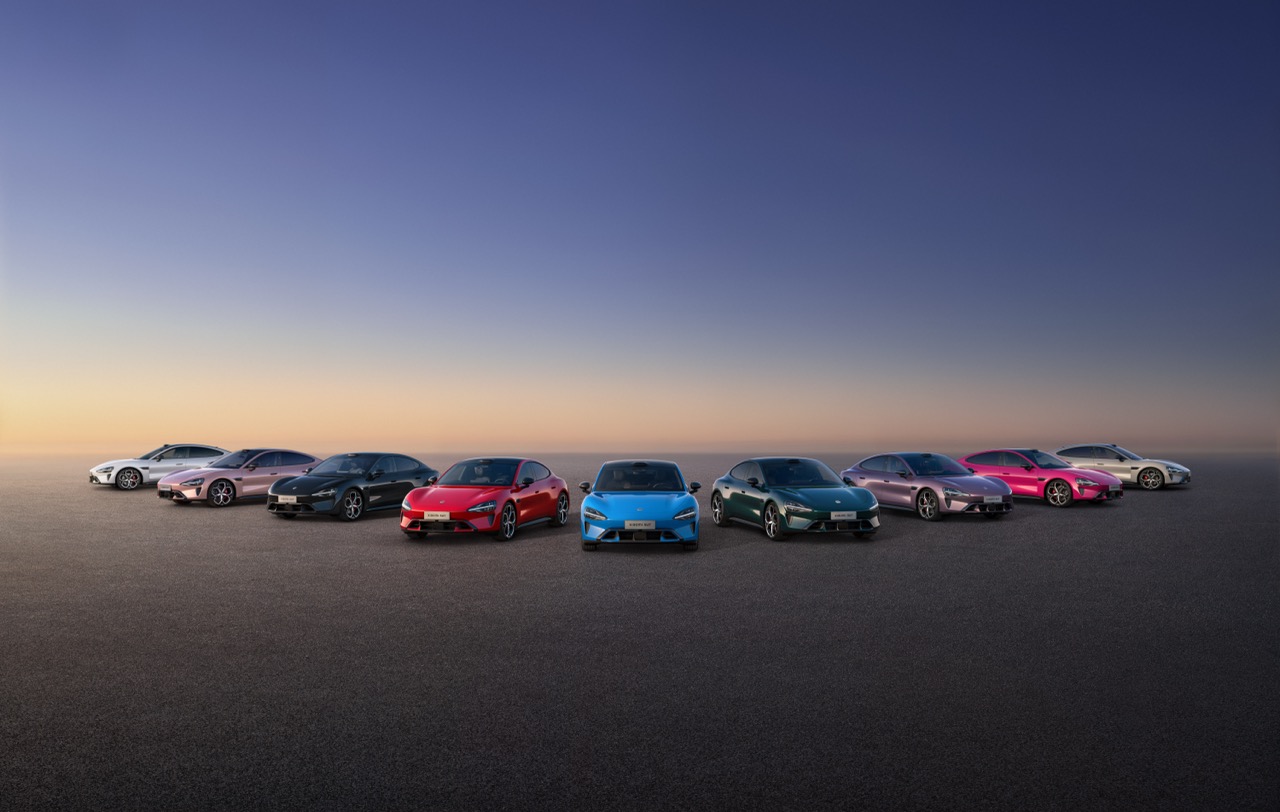
The year 2025 marked Xiaomi’s consolidation in the automotive sector, with total deliveries of 411,082 vehicles, including over 145,000 units in the last quarter alone. For 2026, the company has set a goal of delivering 550,000 vehicles.
The commercial network has also been expanded, with 477 sales and service centers opened in 138 cities in mainland China by the end of 2025.
The Xiaomi SU7 stood out as the best-selling model among sedans priced at 200,000 yuan or more in the Chinese market. Meanwhile, the Xiaomi YU7 led the sales of medium and large SUVs for seven consecutive months until February 2026.
In March 2026, the brand launched the new generation of the SU7, which recorded over 15,000 orders in the first 34 minutes and surpassed 30,000 units in the following three days.
Smartphones maintain position among global leaders
In the mobile segment, Xiaomi maintained its position among the three largest manufacturers in the world for the fifth consecutive year, with 165.2 million units shipped and a global market share of 13.3%.
In China, the company rose to second place, with a share of 16.6%. The strategy of focusing on premium devices proved decisive, with models priced above 3,000 yuan accounting for 27.1% of sales in the Chinese market.
Internationally, the brand positioned itself among the top three in 58 countries and among the top five in 70 markets. Notable are the rises to second place in Latin America and Southeast Asia, as well as third place in Europe and Africa.
IoT and digital services reach new highs
The segment of connected devices and lifestyle products also recorded solid growth, with revenues rising 18.3% to 123.2 billion yuan and an improvement in gross margin to 23.1%.
Smart home appliances, such as air conditioners, refrigerators, and washing machines, reached record sales volumes. The brand’s tablets maintained a presence among the top five best-selling globally and among the top three in China.
Wearables led globally, while TWS earbuds ranked second worldwide and first in the Chinese market.
By the end of 2025, Xiaomi’s AIoT platform had over 1.079 billion connected devices, excluding smartphones and computers, while the number of users with five or more devices exceeded 22.7 million.
Internet services also grew, with revenues of 37.4 billion yuan and a global base of monthly active users of 754.1 million.
Investment in innovation approaches annual profits
Xiaomi significantly increased its investment in research and development, which reached 33.1 billion yuan in 2025, an increase of 37.8%. The number of employees dedicated to R&D rose to 25,457.
In the past five years, the company has invested a total of 105.5 billion yuan in this area and plans to allocate at least an additional 60 billion in artificial intelligence over the next three years.
Artificial Intelligence and Robotics Strengthen Ecosystem
The company announced significant advancements in the development of artificial intelligence models, including the new MiMo-V2-Pro, MiMo-V2-Omni, and MiMo-V2-TTS.
The MiMo-V2-Pro model quickly gained international recognition, leading the weekly call volume on the OpenRouter platform and positioning itself among the top global AI systems.
In the industrial sector, Xiaomi tested autonomous robots in its electric vehicle factory, operating continuously for three hours with a success rate of 90.2% in assembly processes.
Integrated Ecosystem Strengthens Competitive Advantage
The convergence of artificial intelligence, robotics, electric mobility, and smart manufacturing is accelerating, consolidating Xiaomi’s position in an integrated technological ecosystem.
With a presence across various strategic areas, the company seeks to strengthen its competitive advantage and sustain growth in the coming years.