Williams Racing Faces Daunting Challenges Ahead of Formula 1 2026 Season Opener
As the countdown to the 2026 Formula 1 season approaches, Williams Racing finds itself grappling with significant setbacks that threaten to derail its ambitions. Following a disappointing performance during the Bahrain test, the Grove-based team has come to terms with the harsh reality: they are still on the back foot, and the road ahead looks treacherous.
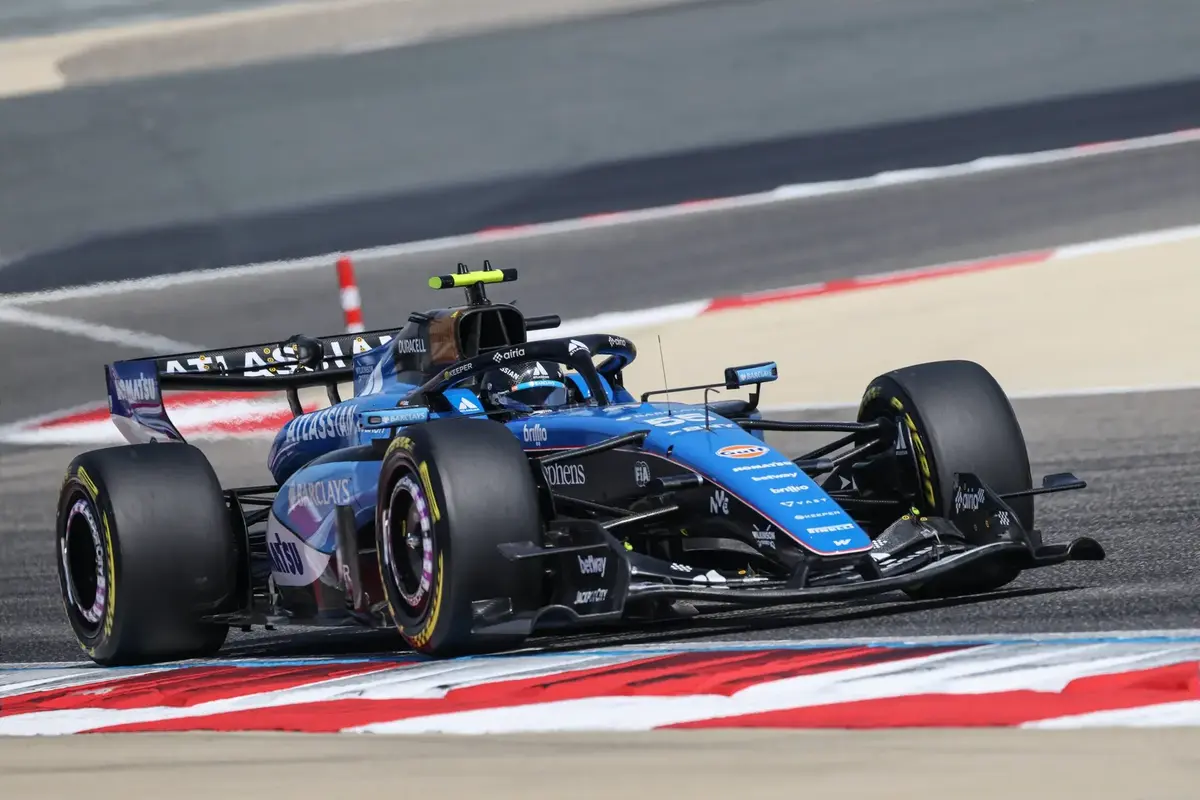
After a late start that saw them miss the crucial first shakedown in Barcelona, Williams has managed to accumulate some laps, but the harsh truth is that their new FW48 car is far from competitive. In the second Bahrain test, the team pushed the performance boundaries, only to discover that their lap times and overall pace lag significantly behind their rivals. Carlos Sainz, reflecting on their current situation, stated, “The car is running reliably from the beginning. That's allowing us… to find out the limitations and the areas where we have to improve, which, unfortunately, there are quite a few.”
Team principal James Vowles has been vocal about the team's cautious outlook as they head into the opening race. “No one truly knows where all the performance lies,” he remarked, expressing his eagerness for the upcoming challenge in Melbourne. “But my assurance to everyone is that we have an aggressive program lining up in front of us to make sure that we extract as much performance in this car as possible over the forthcoming months.” However, he acknowledges the uphill battle they face: “We've put ourselves on the back foot.”
One of the most pressing issues plaguing Williams is the weight of the FW48, which is rumored to be over the minimum limit by a staggering 20-30kg. This weight deficiency could be costing the team valuable lap time, as estimates suggest that shedding just 10kg could improve performance by around 0.3 seconds per lap. Despite Vowles remaining tight-lipped about the specifics of their weight struggles, he did reveal that there is a plan to address this issue in the early races. “I don't think we're on the weight limit right now… but there's a plan in place,” he confirmed.
Compounding their woes, Williams is also falling behind in terms of overall mileage compared to their competitors. In a season marked by new regulations, teams that master car dynamics, energy harvesting, and performance drivers will have the upper hand. With only 4275 kilometers completed in preseason testing, Williams lags behind others like Mercedes, Haas, and Ferrari, who have all surpassed the 6000 km mark. As Alex Albon candidly acknowledged, “We are playing catch-up in many ways. We won’t get those days back, but I think we've got as much data as we need to.”
The reality is stark: after a surprisingly strong 2025 season, Williams faces a more cautious outlook this time around. Sainz summed it up perfectly: “We go into the first half of the year with lower expectations than 2025, knowing that we’ll be starting slightly on the back foot.”
As the team gears up for the season, the pressure mounts. Will Williams Racing be able to turn things around, or will they continue to struggle in the shadows of the F1 grid? Only time will tell, but one thing is certain: the stakes have never been higher.