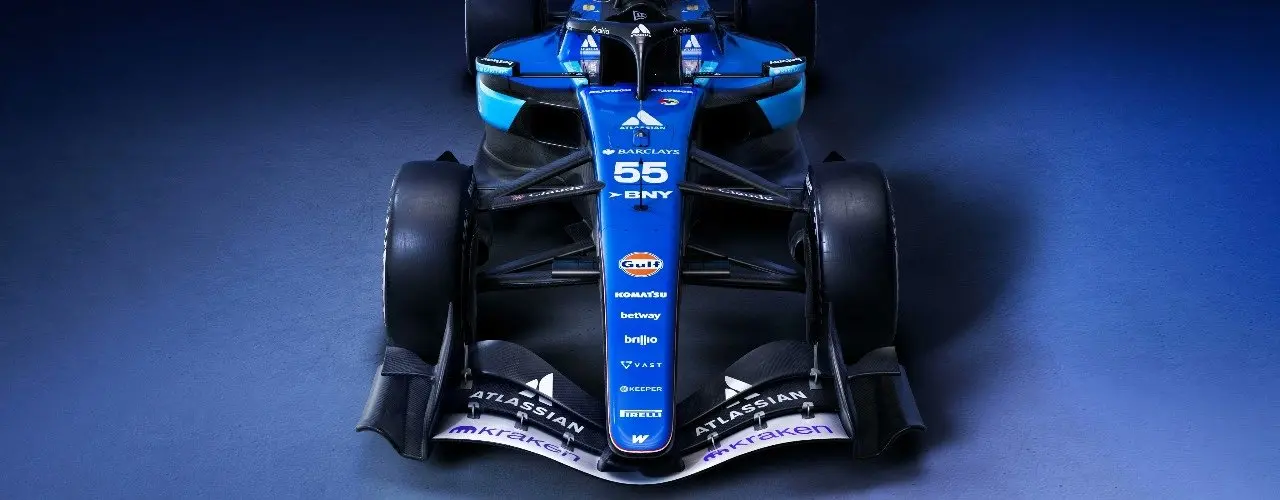
In a thrilling revelation that has sent shockwaves through the Formula 1 community, Williams Racing has officially unveiled the weight of their highly anticipated FW48 car for the 2026 season, clocking in at 772.4 kilograms. This announcement comes on the heels of apprehensions surrounding the vehicle’s compliance with the minimum weight regulations, which stand at a stringent 768kg. Team principal James Vowles has stepped up to extinguish these fears, asserting that the FW48 is only marginally heavier than its closest rival, the Mercedes W17, which weighs in at 772kg—just a mere 0.4kg lighter.
The buzz began when Williams found itself notably absent from the five-day shakedown in Spain last week, a situation the team attributed to “delays in the FW48 programme.” This absence sparked rampant speculation, with critics questioning whether the FW48 was significantly overweight. However, the Grove-based team has now put these rumors to rest by releasing the car’s technical specifications, showcasing that they have indeed remained within a competitive range.
In a candid conversation with media outlets, including PlanetF1.com, Vowles acknowledged the uncertainty surrounding the car’s weight, saying, “Until there are two race cars built in the correct specification going forward, it’s hard to comment on that one. But even so, does that stop you being competitive right now? No one knows – and I really do mean no one – what the pecking order is, especially ourselves as we haven’t been on track.”
Vowles also hinted at an aggressive strategy to reduce the FW48’s weight if necessary, particularly as the next pre-season test approaches in Bahrain. He stated, “There’s no knowledge of the weight until we get to Bahrain in terms of understanding where it is. It’s impossible to know it, because you need the car together with sensors in the right form, and that doesn’t exist today. If we end up being over the weight target, then from that point on it’ll be an aggressive programme to get it off.”
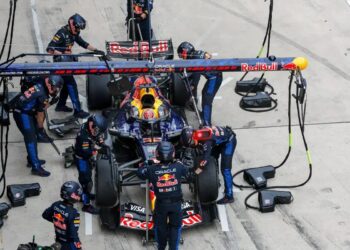
With history as a backdrop, excess weight has often plagued teams at the dawn of new regulations. Red Bull, for instance, faced similar challenges during the introduction of ground-effect cars in 2022 but remarkably managed to shed 20 kilos by the following season. This weight struggle did not hinder them from dominating the championships, with Max Verstappen clinching an unprecedented 15 victories that season.
As Williams gears up for what promises to be an electrifying season, the stakes have never been higher. With Carlos Sainz and Alex Albon set to pilot the FW48, all eyes will be on the team as they navigate the complexities of the 2026 season. Will they rise to the occasion, or will they be left in the dust? The countdown to Bahrain starts now, and the pressure is on for Williams to prove they are not just another team on the grid but a formidable contender in the ever-competitive world of Formula 1.