Title: Williams Racing Faces Uphill Battle After Bahrain Testing: Performance Gaps Loom Large
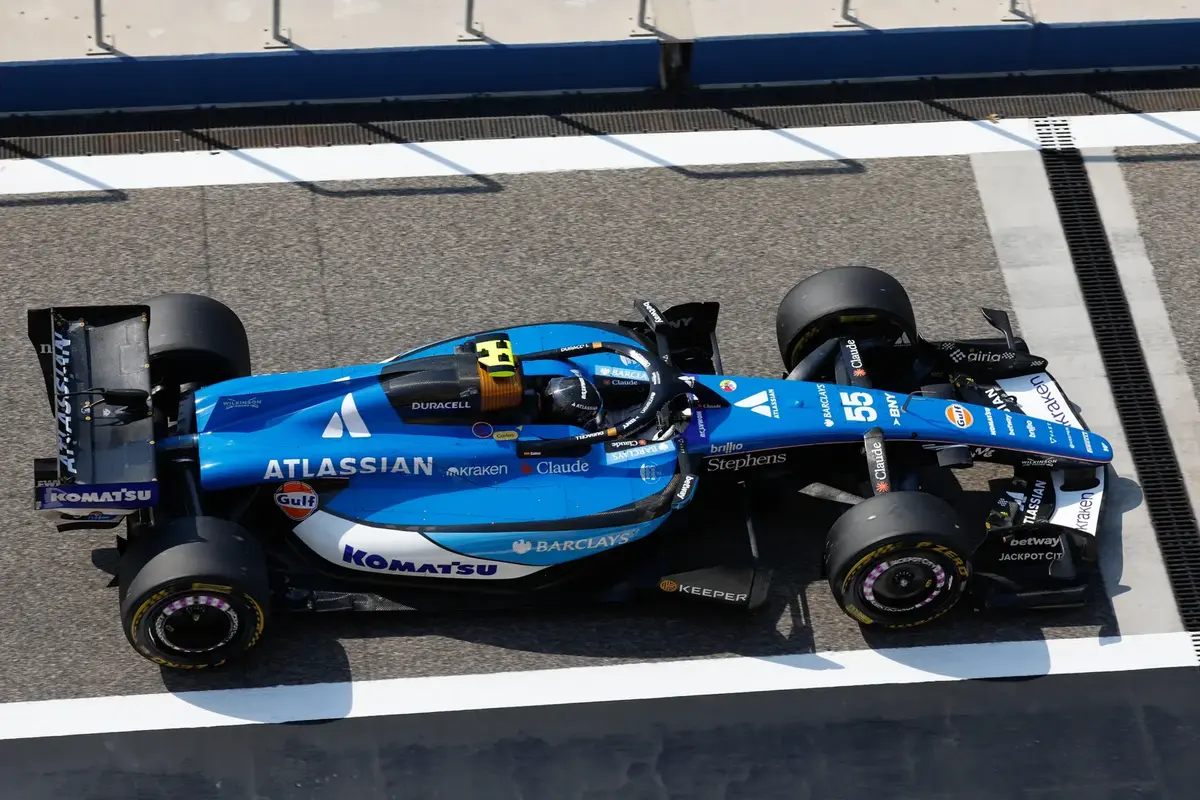
In a gripping prelude to the 2026 Formula 1 season, Williams Racing has wrapped up its Bahrain test, clocking impressive mileage but grappling with a stark reality—performance still lags behind expectations. The Grove-based team, which faced a rocky start after missing the Barcelona shakedown, made the most of their six-day stint at the Bahrain International Circuit. Their efforts were commendable, as they managed to complete their testing program without reliability issues, but the quest for speed continues to be a daunting challenge.
On the final day of testing, Carlos Sainz made headlines by completing a staggering 141 laps, equivalent to 763 kilometers, while setting the fastest time for Williams at 1:34.342. Overall, the team amassed a remarkable total of 790 laps and over 4,200 kilometers, placing them third in terms of mileage among the eleven competing teams. Yet, the celebration of these figures is marred by the acknowledgment that the FW48 remains below the desired performance level.
Team Principal James Vowles characterized the testing period as “another solid day,” emphasizing that Williams successfully executed their entire program, recovering some of the ground lost during the initial phases of their preparations. However, he did not shy away from the truth, admitting that the team is “on the back foot” and faces a considerable journey ahead to unlock the full potential of their car. Vowles revealed plans for an “aggressive development program” aimed at bridging the performance gap, particularly addressing the FW48's weight issues that have plagued their early assessments. He pointed to the upcoming Australian Grand Prix as the first true litmus test of Williams' competitiveness against their rivals.
The sentiments of the drivers echo the mixed bag of results from Bahrain. Sainz, reflecting on the testing experience, called it “one of the most interesting and challenging” of his career, attributing the complexity to new regulations and the substantial workload necessary to understand the car. He noted significant evolution since the beginning of the tests but admitted that the team enters the first half of the season with tempered expectations compared to 2025, fully aware of the performance deficit they must overcome.
Meanwhile, Alex Albon described the Bahrain test as “relatively smooth,” touting the high number of completed laps and the successful execution of planned tests. However, he too recognized that “much performance remains to be found” and stressed the imperative to capitalize on the remaining days leading up to the Australian Grand Prix, as they prepare for their competitive debut in 2026.
As the clock ticks down to the season opener in Melbourne, Williams Racing is faced with the pressing urgency to transform their promising mileage into tangible performance. The pressure mounts as they strive to turn their fortunes around—will they rise to the occasion or fall behind in the relentless race for supremacy? The F1 world is watching closely.