Title: The Million-Pound Myth: Why Formula 1 is Out of Reach for Most Aspiring Drivers
In the glitzy world of Formula 1, where speed and skill meet wealth and privilege, a staggering truth emerges: a million pounds won’t even get you halfway to the pinnacle of motorsport. As the sport continues to be plagued by accusations of elitism, the barriers for entry are becoming insurmountably high, leaving many talented drivers out in the cold.
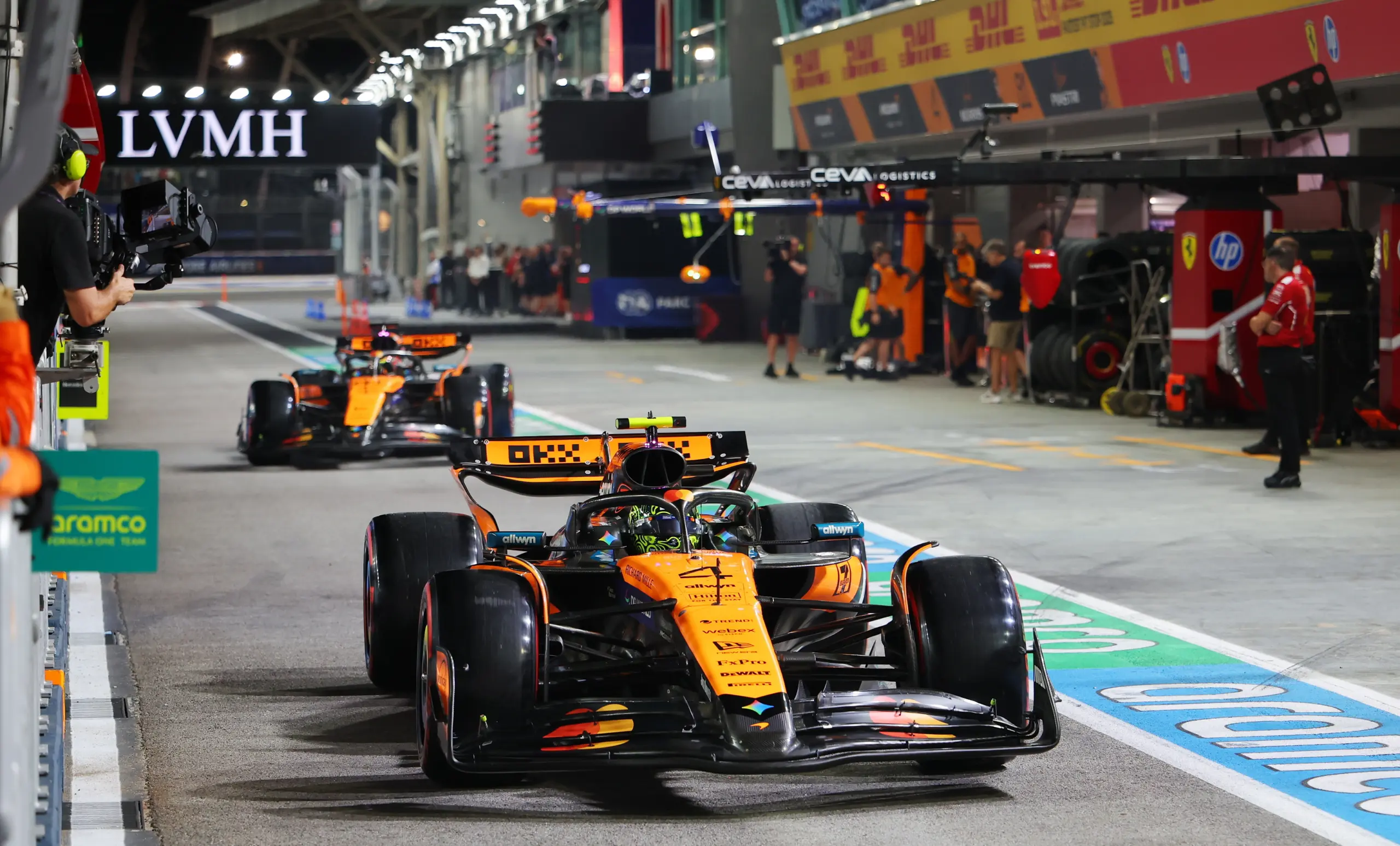
Take Lando Norris, for instance. Despite his incredible talent and hard work, many cannot overlook the influence of his father, Adam Norris, whose wealth provided a launchpad for his son’s F1 aspirations. Unfortunately, Lando is just one of many drivers whose journey to the top has been paved with parental funds, reigniting a fierce debate about the financial realities of climbing the motorsport ladder.
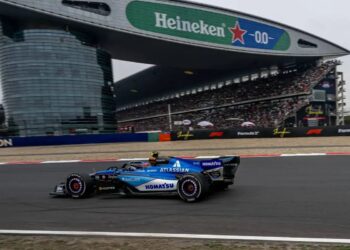
Young racers face an uphill battle as they navigate the costly feeder series, with the unfortunate case of Zak O’Sullivan serving as a glaring example. The former Williams academy driver was forced to withdraw from the prestigious Formula 2 mid-season in 2024—not due to lack of talent, but because of funding constraints. O’Sullivan, who showcased his prowess by winning at iconic tracks like Monaco and Spa, finished a commendable second in the 2023 F3 championship. Yet, the unforgiving financial landscape cut his promising career short.
The harsh reality is that the costs of motorsport are soaring, with estimates for a full season of karting reaching an eye-watering £300,000 in 2021. And with inflation, that figure is only expected to rise by 2025. O’Sullivan himself lamented the relentless increase in expenses, stating, “It’s always been a problem in the sport but it’s only getting more expensive… Every year I’ve done racing… it ends up being more expensive because people are just charging more and more.”
The issue of funding is further complicated by the existence of ‘paid drivers’—those who secure their seats not solely through talent but also through family wealth. Bruno Michel, CEO of Formula 2 and 3, has defended this practice, suggesting that wealthy families often support not just their own drivers but also others in the paddock. While driver academies contribute to funding, they rarely cover the entire budget, leaving many racers scrambling for additional financial support.
Even F1 star George Russell has shared the gut-wrenching truth of his family’s sacrifices for his racing career. He revealed, “Altogether, my father probably spent over a million pounds on my racing career. That’s a hell of a lot of money. Sadly in motorsport though, that doesn’t even get you halfway to F1.” This stark admission highlights the brutal financial reality of aspiring racers and the lengths families must go to in pursuit of glory.
The struggle for funding is particularly pronounced for women in motorsport. A recent study by More Than Equal highlighted the systemic biases that hinder female drivers from securing necessary financial backing. The F1 Academy aims to bridge this gap, with initiatives designed to keep women in the competitive pipeline. However, the success of these programs hinges on long-term commitment and the ongoing participation of sponsors willing to invest in female talent.
While F1 and the FIA are making strides toward addressing inequality, the path to genuine inclusivity remains fraught with obstacles. For decades, the sport has been characterized by privilege, and merely scratching the surface isn’t enough. A shift in mindset is crucial—especially among those with power and resources—to create an environment where talent can flourish, regardless of financial background.
As we continue to witness the glaring disparities in motorsport, it’s imperative to question whether the current system is sustainable or merely a façade of progress. The time has come for a collective effort from drivers, teams, and governing bodies to level the playing field. Until then, the dream of Formula 1 will remain a distant reality for countless aspiring racers who lack the financial safety net to compete at the highest levels.