Formula 1 Unveils Groundbreaking Changes for 2026: A New Era of Speed and Strategy!
Prepare for a seismic shift in the world of motorsport! Formula 1 has pulled back the curtain on its thrilling new car designs and revolutionary terminology set to debut in 2026. This isn’t just an evolution; it’s a complete overhaul that promises to redefine racing as we know it!
As the clock ticks down to the new regulations, F1 is stepping into a new era characterized by cutting-edge 50-50 hybrid technology and aerodynamic innovations. The cars are not only getting sleeker but also lighter and smaller, creating an enticing spectacle for fans and drivers alike.
The excitement doesn’t stop with mere aesthetics. The FIA has already teased a series of renders that showcase the dramatic changes, but now, F1 has taken the reins, releasing its own designs while clarifying the intricacies of the new rulebook. The sport’s single-seater director, Nikolas Tombazis, has shed light on the intense discussions surrounding the official terminology for the groundbreaking features that will be introduced.
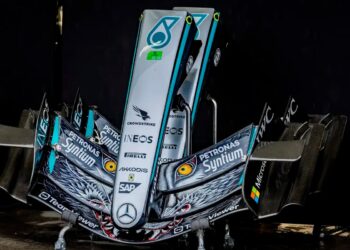
Among the most intriguing innovations are the newly minted ‘Active Aero’ systems designed to enhance overtaking and cornering capabilities. These features will allow drivers to engage specific modes strategically, revolutionizing the dynamics of racing. Imagine a scenario where the front and rear wings adapt in real-time to the car’s position on the track! In ‘low drag’ mode, flaps will open on straights, a game-changing feature that can be deployed at any point during a race, unlike the previous Drag Reduction System (DRS).
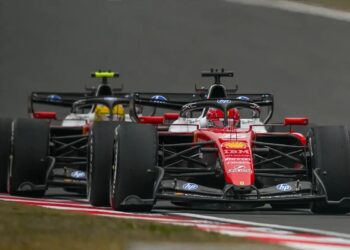
But that’s just the tip of the iceberg! The introduction of ‘Overtake Mode’ allows drivers to unleash electric energy when they are within one second of the car in front, creating nail-biting moments as they vie for position. Meanwhile, the ‘Boost’ mode can be utilized for both defense and attack, provided the battery is charged and ready for action.
F1 is also set to double the energy recovery rate per lap with its revamped Energy Recovery System (ERS). This means drivers can now recharge their batteries more efficiently, tapping into energy recovery during braking or lifting off the throttle at the end of straights. Say goodbye to the old MGU-H system, as F1 ushers in a new age of energy management.
Safety is taking center stage as well! The regulations will enforce stricter crash test requirements, with the roll hoop now engineered to withstand 23% more load, ensuring that safety remains paramount as speeds soar.
With these exhilarating developments, F1 is gearing up for a future where technology meets strategy on a scale never seen before. The anticipation for the 2026 season is palpable, and fans worldwide are eagerly awaiting the adrenaline-fueled battles that lie ahead. Buckle up; the future of Formula 1 is here, and it’s going to be an electrifying ride!