The Shocking Reality of DTM Racing Costs: Are Teams Ready to Pay the Price?
In the thrilling world of DTM racing, the stakes have never been higher, and the financial commitment required to compete is staggering. As we dive into the figures provided by ABT Sportsline’s marketing director, Daniel Abt, it becomes crystal clear that participating in a full DTM season is not for the faint of heart—or wallet.
Abt has pulled back the curtain on the exorbitant costs involved, revealing that running just two GT3 cars during a DTM season can easily surpass a jaw-dropping €3 million. Yes, you read that right! This figure aligns eerily with estimates from Motorsport-Total.com, which suggests costs hover around €1.5 million per car, with some teams splurging more than €2 million. It’s a financial race that not everyone can afford to enter.
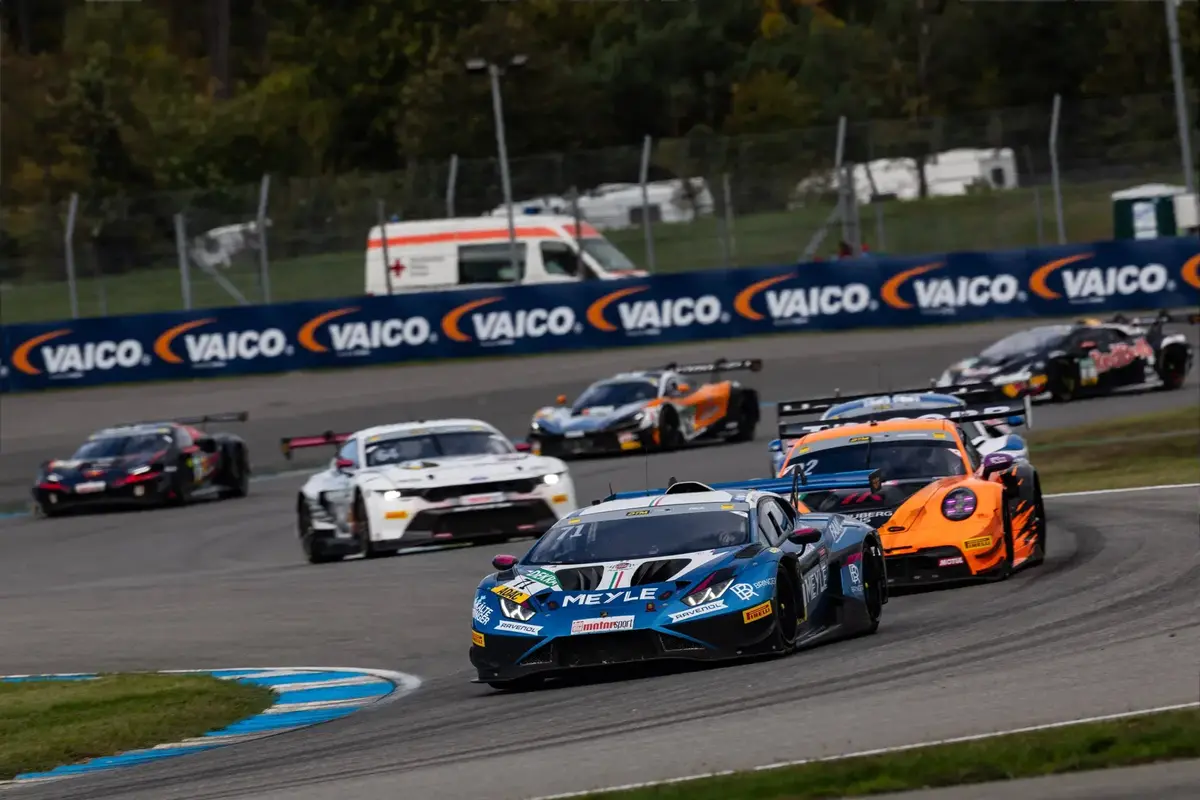
Breaking it down further, Abt calculates that the net cost of each GT3 car is approximately €429,000—meaning fielding two cars amounts to €858,000 just to get started. In 2025, Abt’s team showcased Lamborghini Huracan GT3 EVOIIs, with a potential switch to the new Temerario model in 2026. But don’t think all cars are created equal; the price tag for the latest 2026 evo-spec Porsche 911 GT3 stands at an eye-watering €573,000, while the Ferrari 296 GT3 Evo is even pricier at around €700,000.
And that’s just the tip of the iceberg. When it comes to crash repairs—a harsh reality in motorsport—teams can be looking at costs ranging from €100,000 to a staggering €300,000. While most teams do insure their vehicles, high-risk circuits like the Norisring can leave them vulnerable, as insurance might not be available due to excessive crash exposure.
Tyres, too, are a significant financial burden, costing around €250,000 per season. With Pirelli slicks priced at roughly €2,244 per set and a total of 37 sets permitted per car across the eight race weekends, the tyre budget skyrockets to about €166,000. This figure doesn’t even account for the additional costs of wet tyres and testing allocations, making it clear that every little expense adds up.
Fuel, the lifeblood of racing, comes with its own price tag. DTM has adopted synthetic fuel from Coryton, costing about €6.18 per litre, with Abt estimating a total fuel expenditure of €50,000 for two cars over the season.
Travel costs, while lower than global giants like Formula 1, still burden teams with around €220,000 needed for logistics. The ADAC, the governing body of DTM, imposes an entry fee of roughly €100,000 per car—totaling €200,000 for both cars.
However, the most staggering part of this financial equation is personnel costs. Abt reveals that salaries for the team members—comprising roughly 20 individuals, including engineers, mechanics, and management—can hit approximately €1 million. And let’s not forget about the necessary trucks and support vehicles, which add another €350,000 to the season’s expenses.
When all these figures are meticulously tallied, the total cost for a full DTM season ranges from €3,028,000 to an eye-popping €3,228,000. And that’s not accounting for other hidden costs like transport insurance, general insurance, marketing, team apparel, or driver salaries—additional expenses that many teams grapple with.
Moreover, factory drivers often come with their salaries covered by manufacturers, but even then, team sponsors rarely contribute more than €400,000 per car, making it increasingly challenging for teams to establish a DTM program. Manufacturer support, when offered, usually caps at around €500,000 per car, and teams often find themselves grateful for the occasional car loan or free spare parts to help alleviate the financial burden.
In this high-octane environment, where competition is fierce and finances are tight, the question remains: Are teams truly prepared to shoulder these astronomical costs? The DTM landscape is evolving, and only those with deep pockets and unwavering determination will survive the race to the finish line.