Toto Wolff Casts Doubt on Mercedes’ 2026 Dominance: “I’m a Notorious Pessimist”
As the buzz around the 2026 Formula 1 season intensifies, Mercedes’ illustrious team principal and CEO, Toto Wolff, is throwing cold water on the flames of high expectations. With sweeping new regulations promising a hybrid powertrain split 50/50 between traditional engine power and electric energy, speculation is rampant that the Brackley-based giant will reclaim its former glory. After all, Mercedes ruled the hybrid era from 2014 to 2021, racking up an astonishing eight constructors’ and seven drivers’ championships, thanks to the talents of Lewis Hamilton and Nico Rosberg.
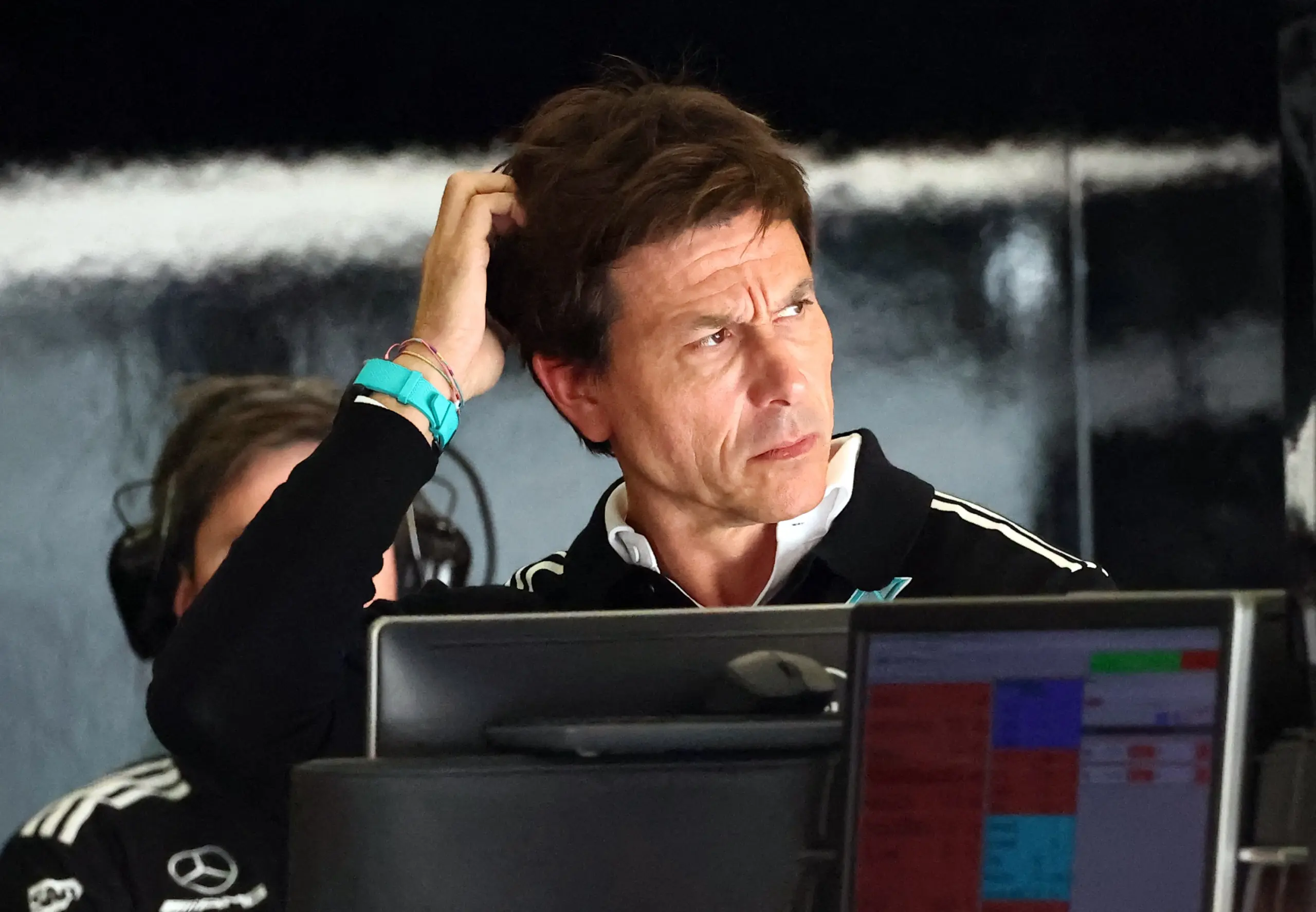
But Wolff, who describes himself as “a notorious pessimist,” isn’t ready to drink the Kool-Aid just yet. In a recent Mercedes debrief video, he bluntly stated, “I would very much hope so. But the glass is always half empty rather than half full.” This candid admission reflects a deeply cautious approach to the upcoming season.
The stakes are incredibly high, and the pressure is on. Wolff acknowledges that while ambitious targets have been set for both the power unit and chassis, there’s a looming uncertainty: “Whether those targets were ambitious enough, whether we have missed the trick… whether our execution is going to be as faultless as it should be? I don’t know.”
As the countdown to the 2026 season begins, Mercedes fans are left in suspense. Wolff has promised some insights into performance balance during testing, which kicks off in late January and continues in Bahrain. “The name of the game is going to be the constant development of the tools throughout the season,” he added, emphasizing the need for ongoing innovation and adaptation.
Adding to the intrigue, Sky Sports F1 analyst Bernie Collins has pointed out a significant advantage for Mercedes: the ability to supply power units to not one, but three teams—Alpine, McLaren, and Williams. This strategic move not only opens the door for greater learning opportunities but also sets the stage for a potential shift in the competitive landscape. Collins opined, “The status quo will change among the teams because it’ll be who gets the engine right and who gets the engine wrong.”
The narrative surrounding Mercedes’ engine supply could very well determine the pecking order in the F1 hierarchy. While anticipation grows that the Mercedes-powered teams are set to rise to the top, Collins cautions that “we don’t know” how they will stack up against each other until the rubber meets the road.
In a sport where every ounce of performance counts, all eyes will be on Mercedes in the lead-up to the 2026 season. Will they return to dominance, or will Wolff’s pessimism prove prophetic? As the clock ticks down, the only certainty is uncertainty, and fans around the world are poised for what promises to be a thrilling season of twists and turns.