Formula 1 Revolution: Toto Wolff Unleashes 400km/h Possibility for 2026 Cars!
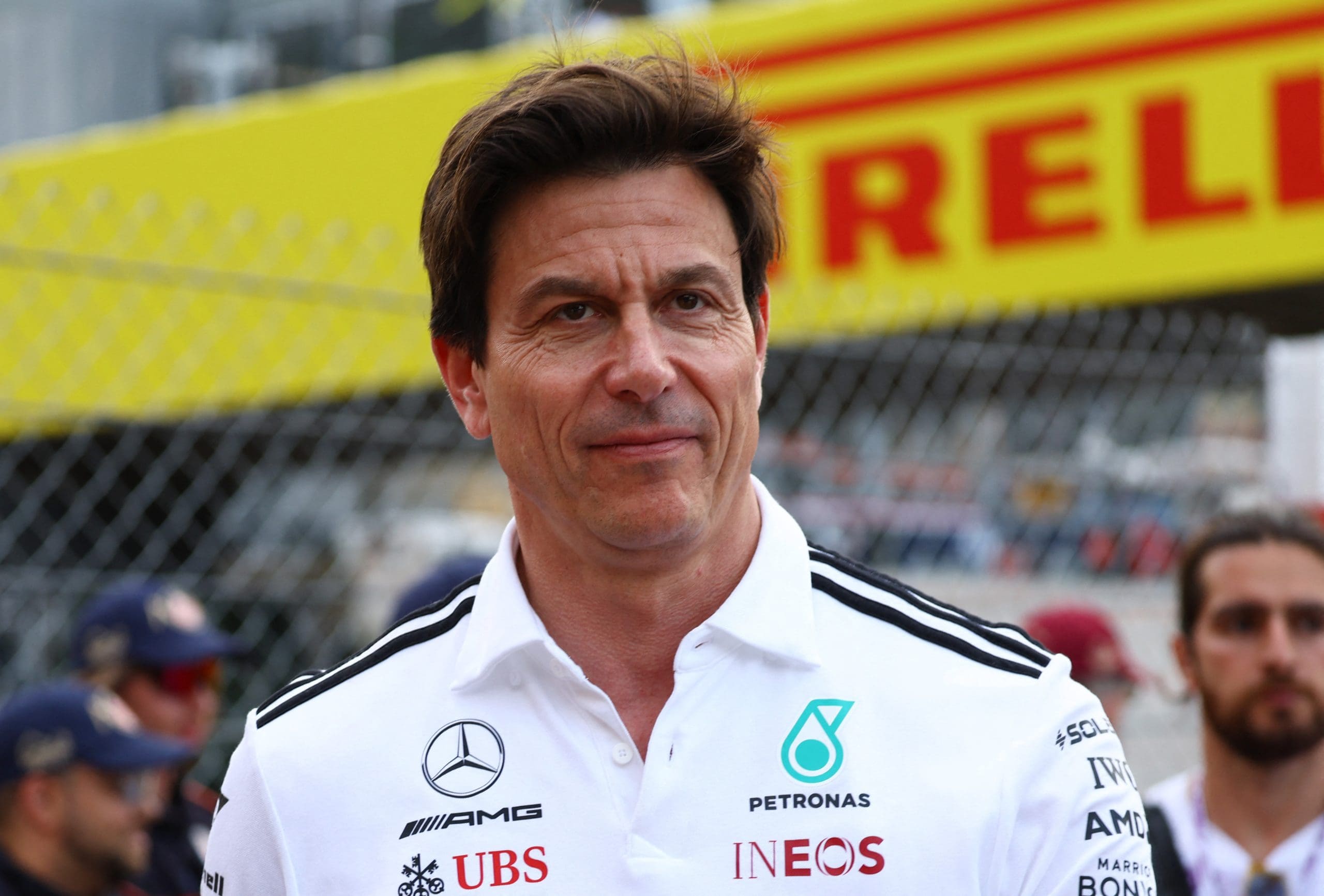
In a jaw-dropping proclamation, Toto Wolff, the astute team principal of Mercedes-AMG Petronas, has sent shockwaves through the motorsport world by suggesting that the next generation of Formula 1 cars could theoretically reach a staggering 400 kilometers per hour! This audacious claim comes as F1 gears up for a seismic shift in regulations set to roll out in 2026, promising a thrilling blend of combustion and electric power that could redefine speed on the track.
The upcoming technical changes are nothing short of revolutionary. With a near-50:50 split between traditional combustion engines and cutting-edge electric power, these cars are engineered to shatter speed barriers while becoming more efficient. Wolff’s bold assertion raises the stakes in an already competitive arena, stating, “If you put it all together, we could do 400km/h or maybe even exceed it, but obviously you’re going to run out of energy for the next straight and then not be quick enough.”
But how does this ambitious goal translate into reality? According to Hywel Thomas, managing director at Mercedes High Performance Powertrains, the performance of these F1 machines will soar, especially at the start of the straights. He noted, “I think the start-of-straight performance is going to be very, very similar to today.” However, there’s a catch—the fine balance of energy management will pose a considerable challenge that could impact the ultimate top speed of these racing beasts.
Thomas elaborated on the technical intricacies, revealing that while turbo lag may become a factor due to the absence of an electric machine attached to the turbocharger, the integration of electric power will help mitigate these delays. “We’ll be filling in that turbo lag with the electric, potentially,” he explained, hinting at an exciting new dynamic that will keep fans on the edge of their seats.
As the clock ticks down to 2026, Wolff’s comments resonate with a mix of excitement and skepticism. While the prospect of 400km/h speeds tantalizes fans and teams alike, the reality of racing is a complex interplay of technology, energy management, and strategy. The question looms: can F1 truly harness this potential and achieve unprecedented speeds without compromising on performance?
With the new regulations promising to reshape the landscape of Formula 1, the anticipation is palpable. Will Mercedes lead the charge into this new era of motorsport, or will rival teams rise to the occasion and challenge their dominance? As the engines rev and the countdown begins, one thing is certain: the race for speed has never been more exhilarating!