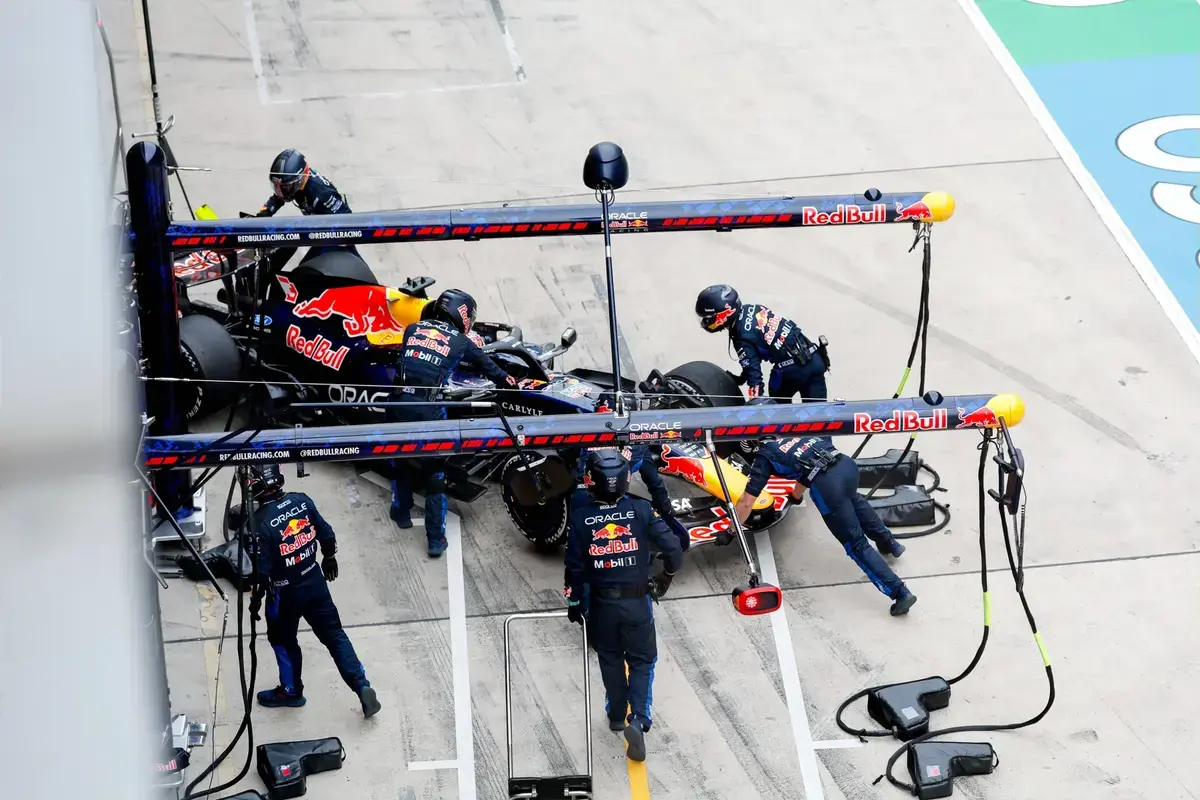
Max Verstappen’s Fiery Fury: A Dramatic Critique of F1’s New Era!
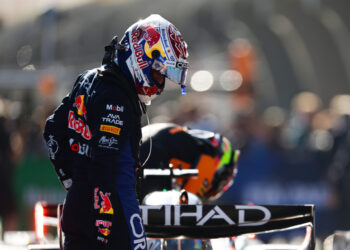
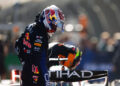
In a stunning outburst that has sent shockwaves through the motorsport community, Max Verstappen has unleashed a torrent of frustration regarding the controversial new Formula 1 regulations. After his tumultuous experience at the Chinese Grand Prix, the Dutch superstar boldly declared that the current state of racing is akin to “playing Mario Kart” and utterly devoid of genuine competition. “It’s not fun at all. This is not racing,” he exclaimed, igniting a fierce debate about the future of the sport.
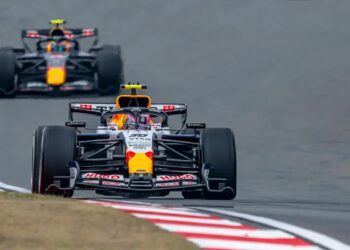
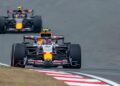
Verstappen's rant comes on the heels of a harrowing race weekend in Shanghai, where he started in a dismal 16th position and faced a disappointing DNF (Did Not Finish). His frustrations are compounded by the belief that the voices of drivers like himself should have been heeded much earlier, especially following his alarming warnings during the 2023 Austrian Grand Prix about the potential pitfalls of the 2026 regulations.
Mercedes team principal Toto Wolff did not hold back in his response, labeling Verstappen’s situation as a “horror show.” Wolff noted the stark contrast between Verstappen's struggles and the performances of other teams, particularly highlighting the gripping battles seen in the upper midfield. “When you look at the onboard that he had in qualifying yesterday, that is just horrendous to drive,” he stated, underscoring the unique challenges faced by the Red Bull driver.
Despite Verstappen’s frustrations, Wolff maintained that the Shanghai race delivered an entertaining spectacle, praising the thrilling duels between the Ferraris and George Russell. “From an entertainment perspective, what we've seen today was good racing – many overtakes,” he asserted, emphasizing that fans have been treated to a product that remains exciting, even if some drivers are grappling with the new regulations.
Acknowledging that the 2026 rules have room for improvement, Wolff pointed to the contentious “lift and coast” strategy employed during qualifying sessions, which has proven particularly vexing for aggressive drivers like Verstappen. “Clearly, lift and coast in qualifying is difficult to cope with for someone like Max, who is a full attack guy,” he admitted, while also suggesting that the issues might be more car-specific rather than a fundamental flaw in the regulations.
Wolff, however, also stepped into the conversation about fan engagement. He insisted that while driver opinions are crucial, they often take a backseat to the enthusiasm of the audience. “The early signals are positive,” he noted, referencing the palpable excitement from fans during races and the robust social media engagement that suggests a thriving interest in the sport. “The younger fans, across all demographics, like the sport at the moment,” he claimed, hinting that the sport’s future could be brighter than Verstappen fears.
As the F1 landscape evolves, the conflict between driver sentiment and fan enjoyment continues to unfold, raising critical questions about how the sport will navigate these turbulent waters. With Verstappen’s potent criticisms ringing in the ears of F1’s decision-makers and Wolff's staunch defense of the current racing format, one thing is clear: the battle for the soul of Formula 1 is far from over. Will the sport heed the warnings of its champions, or will it continue to ride the wave of fanfare? Only time will tell.