Toto Wolff Faces Harsh Reality After Mercedes’ Disappointing Runner-Up Finish in F1 2025
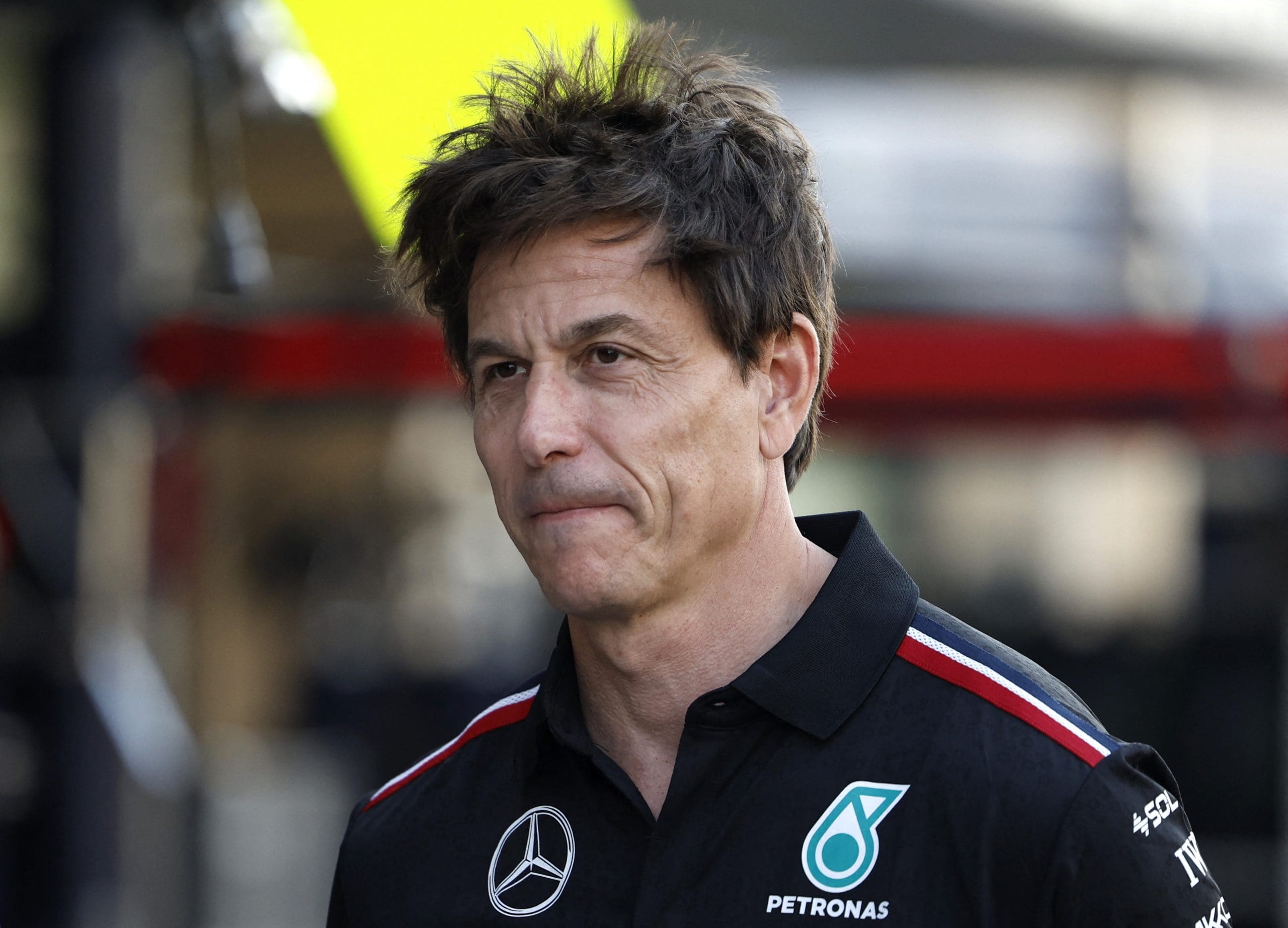
In a season that can only be described as a tumultuous rollercoaster, Mercedes finds itself grappling with the bitter sting of a second-place finish in the Constructors’ Championship, trailing a staggering 364 points behind the dominant McLaren squad. This dramatic turn of events has left team principal Toto Wolff reeling, reflecting on the year with a blend of disappointment and a tinge of bittersweet nostalgia.
McLaren has undeniably emerged as the powerhouse of F1 2025, capturing 12 victories in the first 15 races and sealing their championship win at the Singapore Grand Prix with six races still on the calendar. Their dominance is reminiscent of Red Bull’s record-setting performance in 2023, leaving competitors like Mercedes in the dust. Wolff’s sentiments echo the pain of not only falling short of their goals but doing so in a year where they could only muster two wins, a stark contrast to their historical prowess.
With Mercedes finishing the season with 469 points—just 18 ahead of Red Bull and a solid 71 points clear of Ferrari—the reality sinks in: Wolff states, “I’m a little bit in two minds, because in 10 years, you look back at the stats and you can see a vice-world champion, P2. But the reality is that we didn’t achieve our goals.” The candid admission captures the heart of the team’s struggle; they are hungry for victories and championship glory, yet this season has been a painful reminder of their current limitations.
Looking ahead, the 2026 season promises to shake things up dramatically with a slew of new regulations set to redefine the competitive landscape. The introduction of active aerodynamics and revised engine specifications signals a new era for Formula 1, one that Wolff believes could benefit the team. “We had a very successful spell over those years… but we had difficult years that followed,” he remarked, hinting at the challenges that lay ahead.
The anticipated changes include the much-debated ‘Overtake Mode’ and ‘Boost Mode,’ which will offer drivers power boosts during crucial attack phases, albeit limited to what was previously designated as DRS zones. Moreover, the introduction of active aero systems will allow drivers to manually adjust wing settings for optimal performance, showcasing an innovative leap in racing technology.
As Mercedes gears up for the 2026 season, the pressure mounts. The team is set to unveil its new W17 car, with private testing scheduled for late January before the official season opener in Melbourne. Wolff’s excitement is palpable as he describes the forthcoming shift to a “real hybrid era” that incorporates 50% electric engines powered by sustainable fuel, promising an exhilarating evolution in the sport.
The upcoming months will be crucial for the Brackley-based team as they navigate through this transition and aim to reclaim their status at the pinnacle of Formula 1. “It’s going to be fascinating,” Wolff exclaimed, hinting at the ambitious vision he holds for the future of the team and the sport itself. As the F1 world watches closely, one question lingers: can Mercedes rise from the ashes and reclaim its throne in this new age of racing? The answer lies just beyond the horizon as the engines rev up for another thrilling season.