
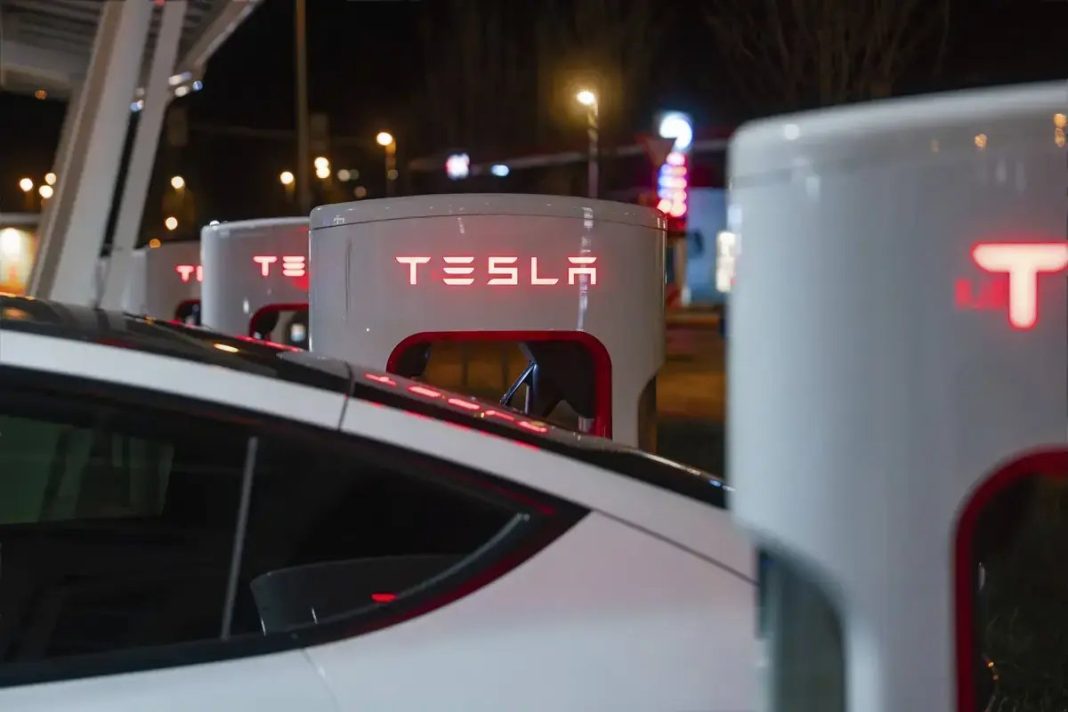

Tesla has reached an important milestone in Europe, after Dutch authorities approved the use of the supervised autonomous driving system on roads and in cities — a first for the brand on the continent.
First authorization in Europe
The decision was made by the RDW, the entity responsible for vehicle approval in the Netherlands, after more than 18 months of testing and analysis.
The system, called Full Self-Driving Supervised, allows the vehicle to:
- accelerate
- brake
- turn autonomously
always with mandatory supervision from the driver.
European expansion already in preparation
The Dutch authority will now submit the system to the European Commission, with the aim of obtaining approval for all countries in the European Union.
If validated, member states will be able to authorize large-scale use. Even without global approval, each country can decide individually.
Differences compared to the United States
The RDW emphasized that the European version of the system will not be identical to that of the United States, due to more stringent safety requirements in the European Union.
Technology at the core of Tesla's strategy
For Tesla, the expansion of the FSD system is crucial for future growth.
CEO Elon Musk is heavily betting on artificial intelligence, autonomous driving, and robotaxis as the main sources of revenue in the coming years.
Expected impact on sales
Analysts believe that the introduction of the system in Europe could boost the brand's sales, which have been affected by factors such as increasing competition and an aging lineup.
In the Netherlands, around 100,000 Tesla vehicles may already benefit from the technology.
Competition is also evolving
Other manufacturers, such as Mercedes, Ford, and BMW, already offer semi-autonomous driving systems, but generally limited to highways and low speeds.
Tesla's proposal stands out for allowing use in more scenarios, although it remains under regulatory scrutiny.
A decisive step towards autonomous mobility
The approval marks a significant advance for autonomous driving in Europe, paving the way for broader adoption of this technology.
If the expansion at the European level is confirmed, it could represent a turning point in the way drivers interact with their vehicles.