
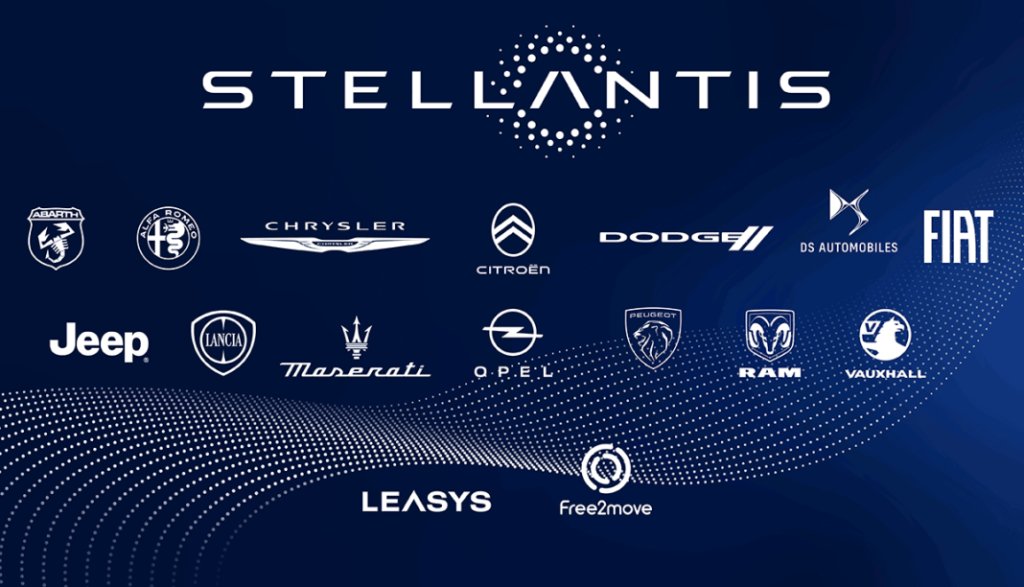

Stellantis is preparing one of the largest strategic changes since its creation in 2021 — and the signal is clear: the phase of dispersion is over. The group will concentrate investment on its most profitable pillars, in an urgent attempt to recover margins, simplify operations, and face an industry undergoing rapid transformation.
A giant group… with structural problems
Stellantis was born from the merger between PSA and Fiat Chrysler with an ambitious promise: global scale, synergies, and technological leadership. But, a few years later, reality proved to be more complex.
The group has 14 brands — from Peugeot to Jeep, including Alfa Romeo and Opel — and this diversity has become, at the same time, a strength and a problem.
According to sources cited by Reuters, the new leadership believes that the current model is too dispersed and inefficient for the current market context.
The new strategy: concentrate to survive
The plan to be presented in May by CEO Antonio Filosa is based on a central idea: to strongly invest in four key brands:
- Jeep
- Ram
- Peugeot
- Fiat
These will come to concentrate the majority of the group’s investment, both in the development of new models and in technology and marketing.
The remaining brands do not disappear — at least for now — but will have a more limited role, functioning as:
- regional brands
- niche projects
- users of common platforms
Financial pressure forces action
The change does not happen by chance. Stellantis is going through a particularly delicate moment.
- Sharply declining margins
- Market valuation reduced to around 21 billion euros
- Strong impact from tariffs and a drop in demand in key markets
Furthermore, the group was forced to recognize a 22.2 billion euro adjustment related to the revision of its electric plans.
A market that has changed — and quickly
The problem for Stellantis is not only internal. The global context has changed radically:
- slower search for electric vehicles than expected
- increasingly strong Chinese competition
- regulatory pressure in Europe
- high industrial costs
At the same time, tech brands and new manufacturers are redefining consumer expectations.
Less electric ambition… more pragmatism
One of the most symbolic decisions made was the partial retreat in the electric strategy.
Stellantis acknowledged that:
- EV adoption is below forecasts
- the investments made were too aggressive
- it will be necessary to balance with hybrids and combustion
The “secondary” brands: survive or disappear?
Although the group claims that all brands remain important, the reality is more complex.
Some brands face evident challenges:
- low volume
- unclear positioning
- internal overlap
Analysts and investors have already suggested possible cuts, including brands such as:
- Lancia
- DS
- Opel
- Citroën
For now, the strategy involves keeping these brands — but with less autonomy and more dependence on common platforms.
China and partnerships: part of the solution
Stellantis is also looking outward to reinvent itself.
One of the paths involves:
- partnerships with Chinese manufacturers
- use of external technology
- more efficient production
An example of this is the negotiations with Leapmotor to develop new electric models in Europe.
A difficult balance: cutting without destroying value
The great challenge for Stellantis is to find the balance between:
- reduce costs
- maintain brand identity
- preserve global presence
According to the company itself, the diversity of brands remains an asset — but it needs to be managed in a much more disciplined manner.
Conclusion: an inevitable restructuring
Stellantis has entered a decisive phase in its history.
The previous strategy — based on scale and diversity — is giving way to a more focused, more selective, and more pragmatic model.
The question now is not whether the change was necessary.
The question is whether it will be sufficient.
Because, while the group reorganizes, the competition — especially from Asia — is not waiting.