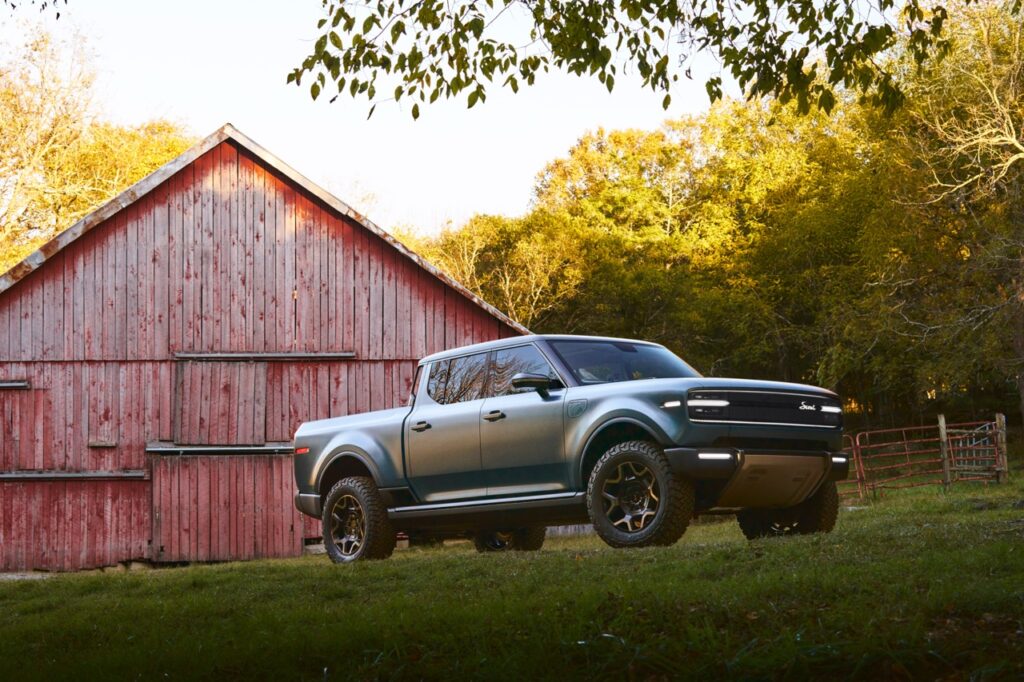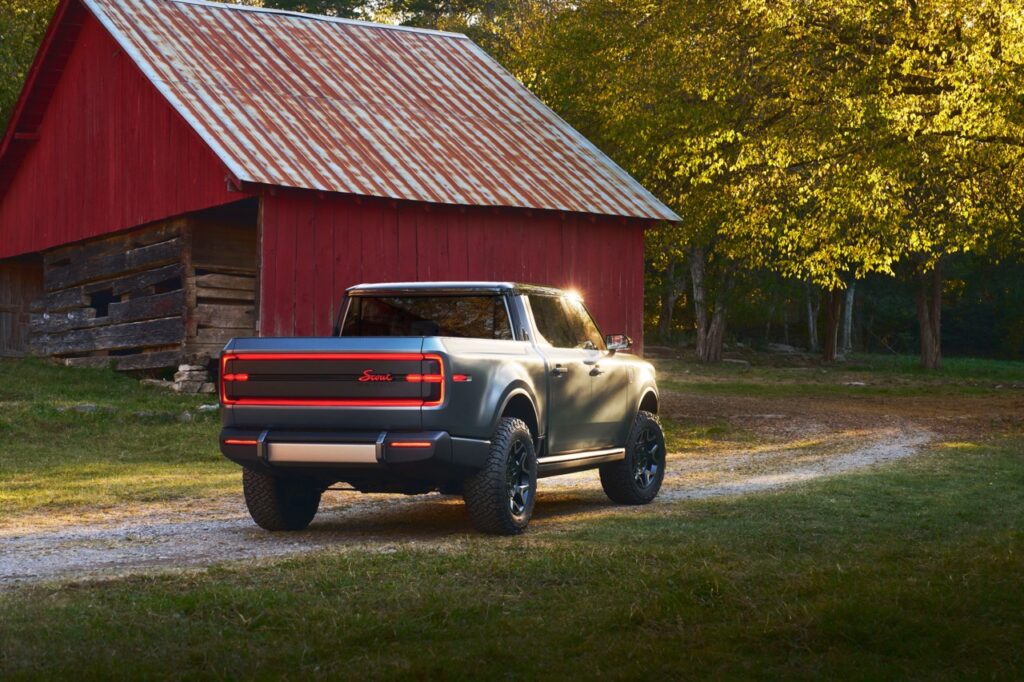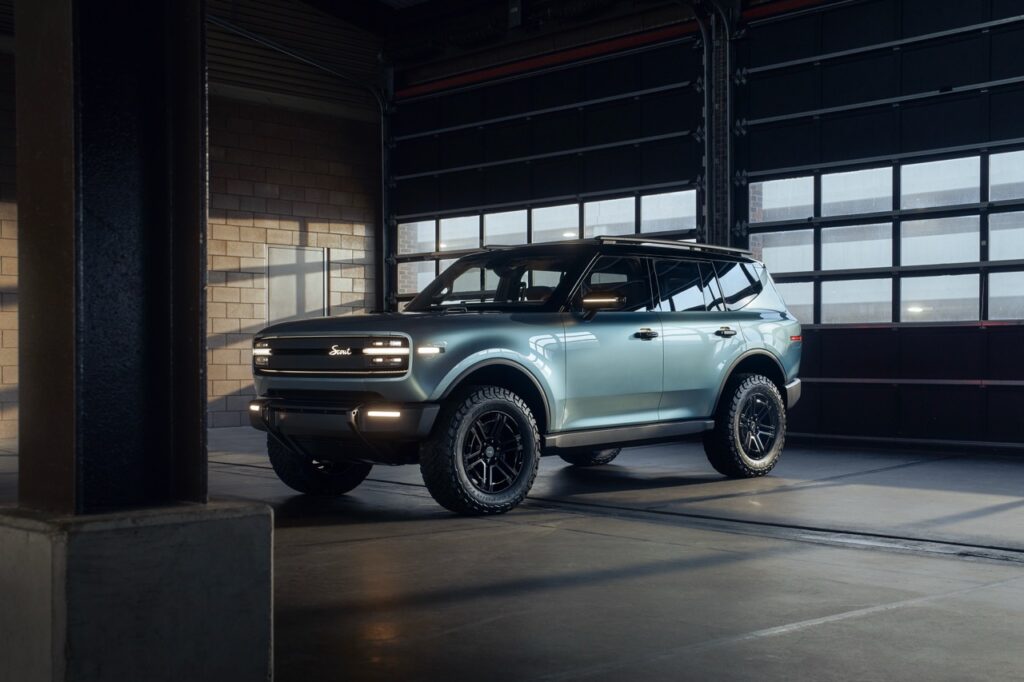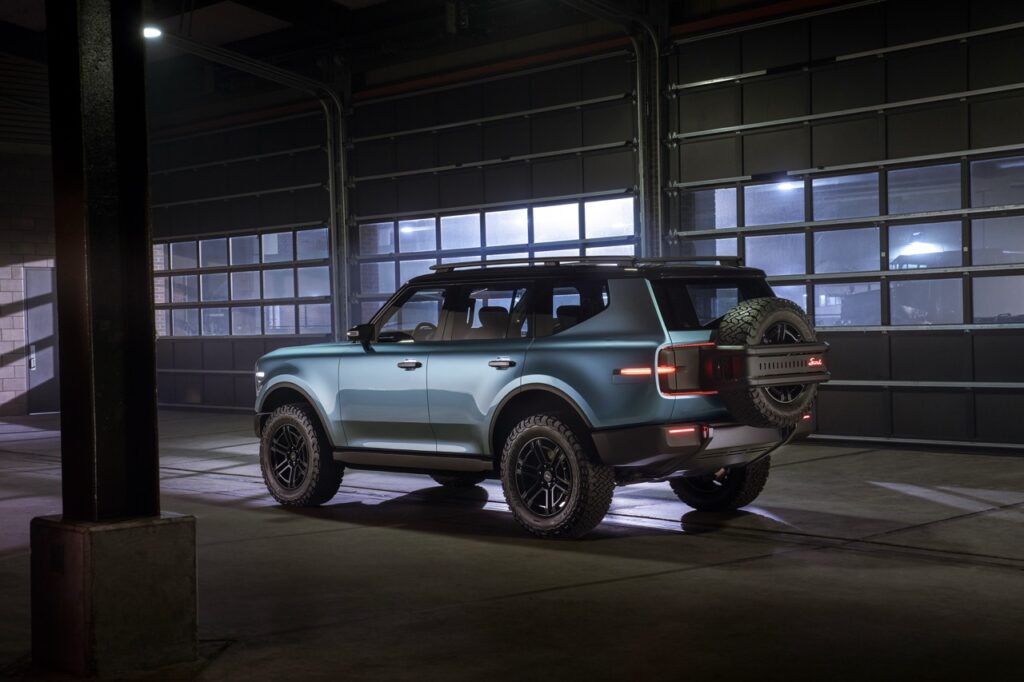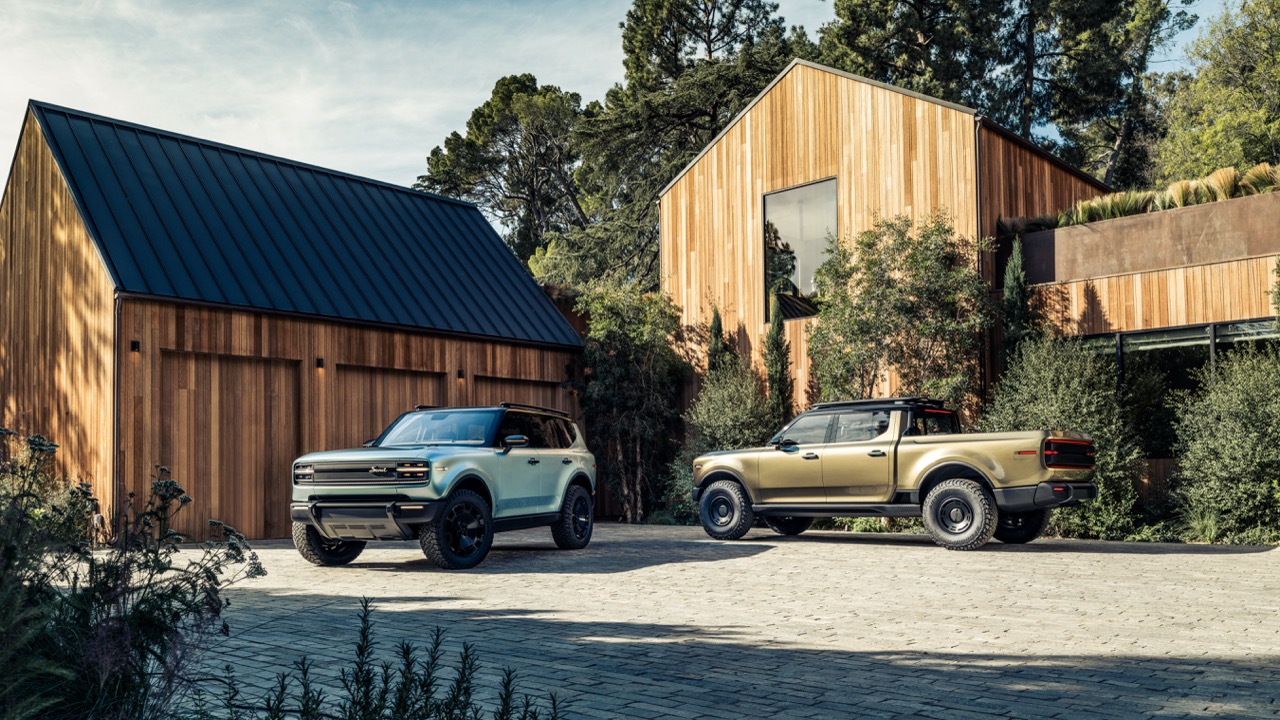
Between 1961 and 1980, the vehicle known as the Scout was manufactured by the brand of the same name, originally conceived as a competitor to the Jeep CJ (1945-1986), and a precursor to iconic SUVs such as the Ford Bronco, Chevrolet Blazer, or Jeep Cherokee. In 2021, the American company based in Fort Wayne, Indiana, sold the rights to use the car’s name to the VW Group, which reintroduced the brand to the market in 2022, with the ambition of designing, developing, producing, and selling 100% electric vehicles on the other side of the Atlantic.
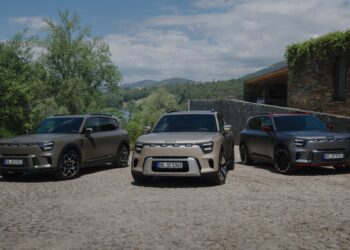
The first two prototypes, an SUV and a pickup, named Traveller and Terra, respectively, were presented in 2024, and the Germans promise to introduce them to the North American market by 2028. According to the Reuters agency, citing Scott Keogh, CEO of Scout Motors Inc., around 160,000 orders have already been placed, without specifying whether the number refers to just one model or both.
Originally, the German conglomerate announced Scout as a 100% electric brand, but the North American market has changed significantly in three years, and subsequently, the Germans decided that the lineup would also include hybrid powertrains with range extenders, in which the internal combustion engine generates the energy that the battery, in turn, supplies to the electric motor(s) that drive the wheels. And, according to the same news, 87% of the orders are for versions powered by this type of powertrain.
Many technical details are still not known, but it is known that the electric versions will have ranges around 560 km, while those equipped with range extenders will be able to cover (much) greater distances – over 800 km is what is promised. Scout presented the Traveller at Autostadt in Wolfsburg, Germany, last year, but Europe does not currently appear in the plans of the American brand.