F1 Drivers Demand Flexibility as New 2026 Regulations Spark Controversy and Confusion!
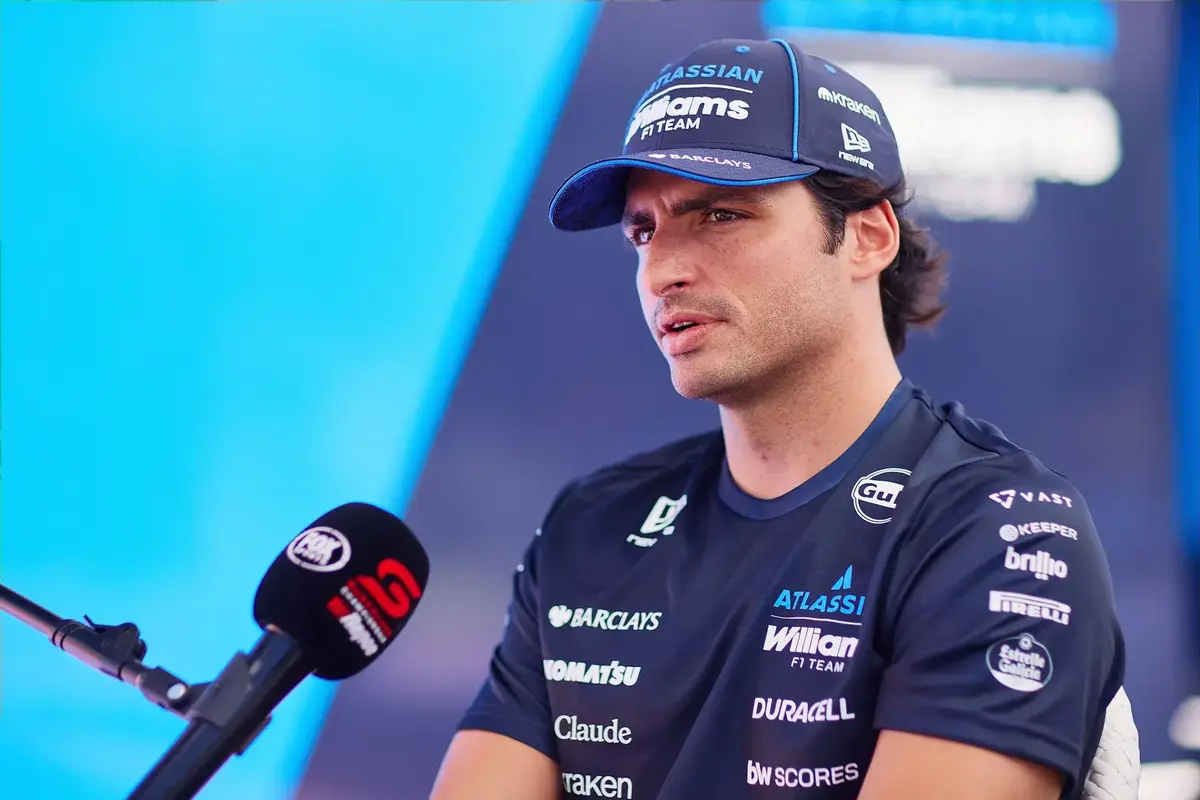
As the world of Formula 1 gears up for the new season, a storm of uncertainty looms over the grid as drivers grapple with the revolutionary 2026 power unit regulations. These new rules introduce a controversial 50/50 split between electrical power and traditional internal combustion engines, leaving competitors like Carlos Sainz urging the sport to remain adaptable if issues arise.
The intricacies of the new power units have sparked concern among the drivers, particularly regarding the challenges of energy management. “Power harvesting for the battery is just one area of uncertainty,” Sainz remarked, hinting at the possibility that drivers might find themselves forced to ease off the throttle on long straights, potentially allowing rival cars to zoom past all in the name of recharging their battery packs during a single lap!
But that’s not all! The introduction of designated “overtake zones” adds another layer of complexity, with drivers only permitted to deploy their overtake mode when within a second of the car in front. This new strategy brings about an intense game of cat and mouse, as competitors must meticulously manage their energy discharge and recharge—a crucial factor that could make or break their race day performance.
In the lead-up to the much-anticipated Australian Grand Prix, Sainz expressed his astonishment at the dramatic changes brought on by the new regulations. He predicted a weekend filled with surprises, stating, “Bahrain wasn’t too much of a challenge…but Melbourne looks like it’s going to be a very different and interesting weekend.” This sentiment reflects the broader uncertainty looming over the upcoming races, as fans and teams alike await the real impact of these groundbreaking changes.
Sainz emphasized the importance of patience, suggesting that both F1 and its fans should hold off on harsh judgments until at least the third race of the season. “We need to be open-minded,” he declared, urging governing bodies to stay receptive to adjustments if the new regulations prove to be flawed. “If after two or three races it’s clear something’s off, I hope we are able to change.”
But before the drivers can dive into the complexities of energy management, they must first tackle the crucial race start—a task that proved troublesome during testing. To combat this, the FIA has implemented a new blue lights pre-start procedure designed to help drivers align their engines correctly. Sainz reassured fans, saying, “I think we will all get off the line; it will just be a matter of who does it better.” He anticipates that the differences in performance at the start will be more pronounced than in previous seasons, where drivers were often tightly bunched at the start line.
As the excitement builds for the 2026 season, one thing is clear: the stakes are higher than ever, and the drivers are prepared to navigate the uncharted waters of these radical regulations. Will the changes lead to thrilling races or a chaotic season of confusion? Only time will tell, but one thing is for sure—this year’s F1 season promises to be a wild ride!