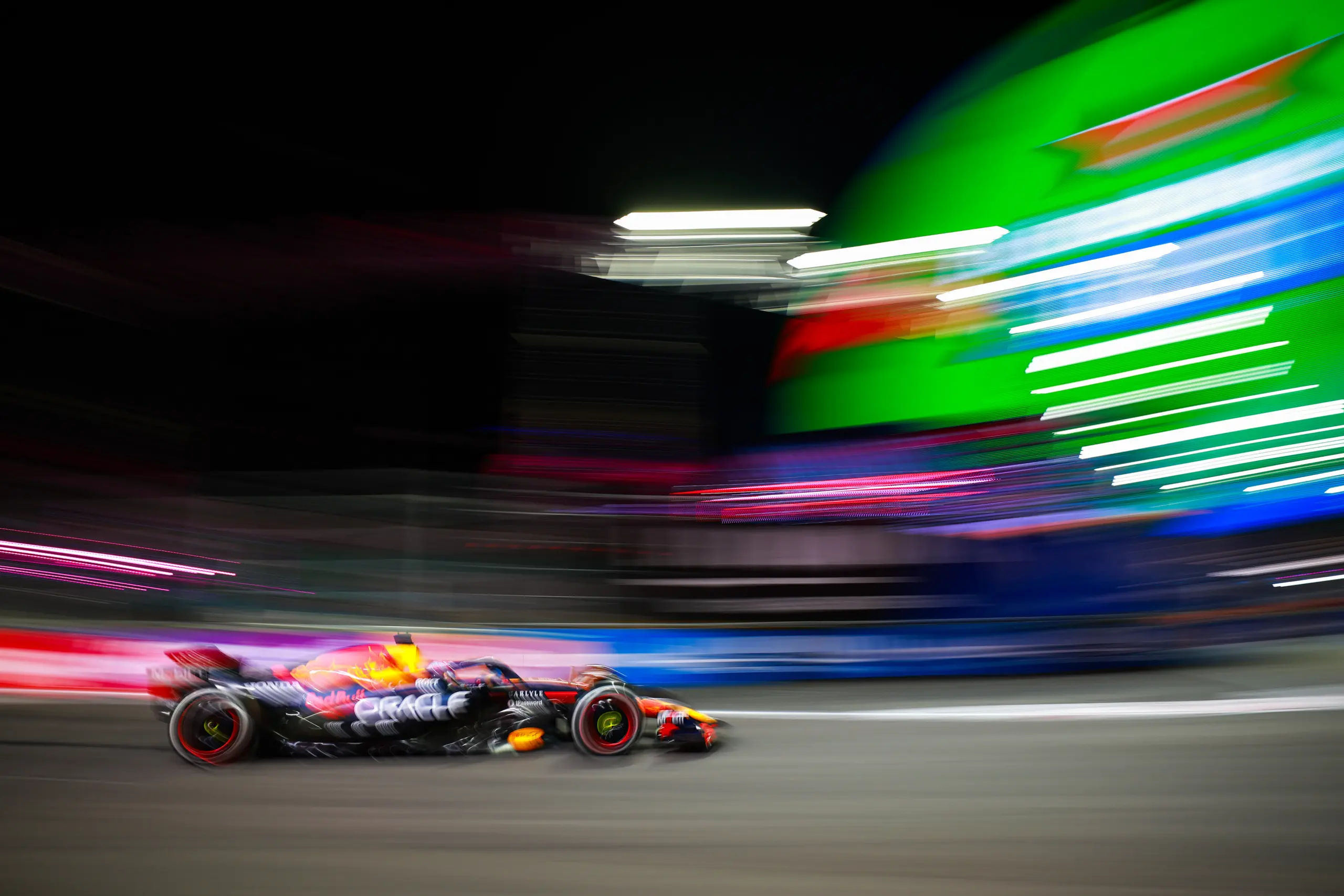
Red Bull Racing’s Bold Bet: Crafting Their Own Engine for Formula 1 Glory in 2026!
As the countdown to 2026 begins, Red Bull Racing is gearing up for a seismic shift that could redefine the landscape of Formula 1. Known for their audacious strategies since their debut in 2005, the Milton Keynes-based powerhouse is taking an unprecedented leap: developing their very own in-house power unit. Under the visionary leadership of former team principal Christian Horner, this bold initiative is set to catapult Red Bull into a new era of autonomy and ambition, described by current principal Laurent Mekies as a daring venture “only Red Bull would dare to make.”
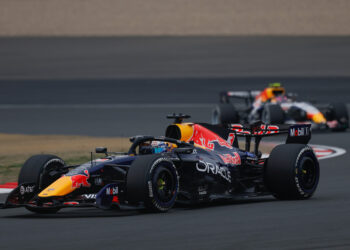
Gone are the days of relying on customer engines, a dependency that once left Red Bull vulnerable, especially when the formidable Mercedes engine dominated the track. The dark days of 2014 saw Red Bull struggling to keep pace after the introduction of Renault’s V6 turbo engines, which knocked them off their championship pedestal after four consecutive world titles. However, the tide began to turn when Max Verstappen clinched the drivers’ championship in 2021, signaling a resurgence.
The partnership with Honda, which blossomed in 2018, brought significant victories, but Red Bull’s aspirations extend beyond short-term success. The ultimate goal? To conquer the pinnacle of motorsport with their own power unit, a challenge laden with peril. Red Bull is venturing into uncharted territory, as they lack historical expertise in power unit development. This monumental task necessitated the establishment of a cutting-edge engine facility in Milton Keynes and the recruitment of top-tier engineers from powerhouses like Mercedes and Honda. Additionally, strategic ally Ford is stepping up, offering vital insights into the increasingly critical electrical components of the hybrid engines set to debut in 2026.
The tension is palpable as Red Bull prepares to unleash its long-awaited power unit. Expectations are tempered, with the team acknowledging that they may not start the season with the most powerful engine. Instead, their strategy focuses on gradual improvement throughout the year. The FIA regulations could serve as a game-changer, granting manufacturers who start at a disadvantage additional development allowances. This could enable Red Bull to narrow the performance gap quickly if competitors initially lead the charge.
Yet, this pragmatic approach does not overshadow Red Bull’s audacious ambitions. Winning a world championship with their own engine would be akin to a fairytale, challenging automotive giants like Mercedes, Ferrari, Audi, and Honda right on their home turf. The stakes couldn’t be higher, and the message is clear: Red Bull is ready to reclaim its status as a dominant force in Formula 1.
The race to 2026 is twofold: accelerate development and secure race victories as swiftly as possible. Helmut Marko, a former adviser to the team, has hinted at a thrilling resurgence, suggesting that by the season’s second half, Red Bull should be back in the mix, fighting for the top spot. With Max Verstappen at the helm, if he can navigate the early challenges of the new regulations, a stunning fifth world title could very well be within reach. Such an achievement would not only solidify Verstappen’s legacy but also mark a historic chapter for Red Bull Racing in the annals of motorsport history.
As the engines roar and anticipation builds, one thing is certain: Red Bull Racing is on the cusp of a revolution that could change the course of Formula 1 forever!