


Red Bull Racing Faces Unsettling Reality: Are They Already Outpaced for 2026?
In a shocking revelation that sent ripples through the Formula 1 community, Red Bull Racing’s team principal Laurent Mekies has candidly admitted that the storied team is lagging behind its rivals as the 2026 season approaches. This admission comes on the heels of fierce competition, particularly from Ferrari, which made a bold move by pivoting its focus to the new regulations as early as April 2025. While Ferrari has been strategizing and preparing for the future, Red Bull’s decision to extend the development of last year’s car beyond the summer break raises eyebrows and questions about their competitive edge.
Mekies defended the team’s controversial strategy in an exclusive interview, stating, “It became very clear to us that we didn’t want to simply turn the page and, despite the 2025 car not being good enough, rely on the desire to perform well in 2026 anyway.” This choice, he argues, was about understanding the team’s shortcomings rather than hastily shifting gears to a new project. However, this introspective path may have cost them precious time in the race to be ready for the upcoming season.
While many critics speculate that this could spell disaster for Red Bull’s 2026 ambitions, Mekies remains steadfast. “Yes, we may have lost some time for the 2026 project by doing it this way, but we didn’t want to take chances,” he remarked, emphasizing the importance of a solid foundation moving forward. The question on every fan’s mind remains: will this gamble pay off?
Mekies elaborated on the learnings gained during this tumultuous period, highlighting the critical aspects of methodology and team synergy. “First of all, it’s about the methodology we use: what do you need to make a car faster and what do you need to overcome certain limitations,” he explained. The team is not just focused on raw speed; they are honing their understanding of tire dynamics, tool correlation, and performance optimization amidst a sea of new regulations.
But there’s more at stake than just technical prowess. The human aspect of Red Bull’s operation has reportedly strengthened. Mekies noted, “If we focus on the human aspect for once, this definitely brought the group closer together. It gave us a good approach and a good atmosphere heading towards 2026.” This camaraderie may be the silver lining in an otherwise daunting scenario, but it begs the question: will team spirit be enough to close the gap to their rivals?
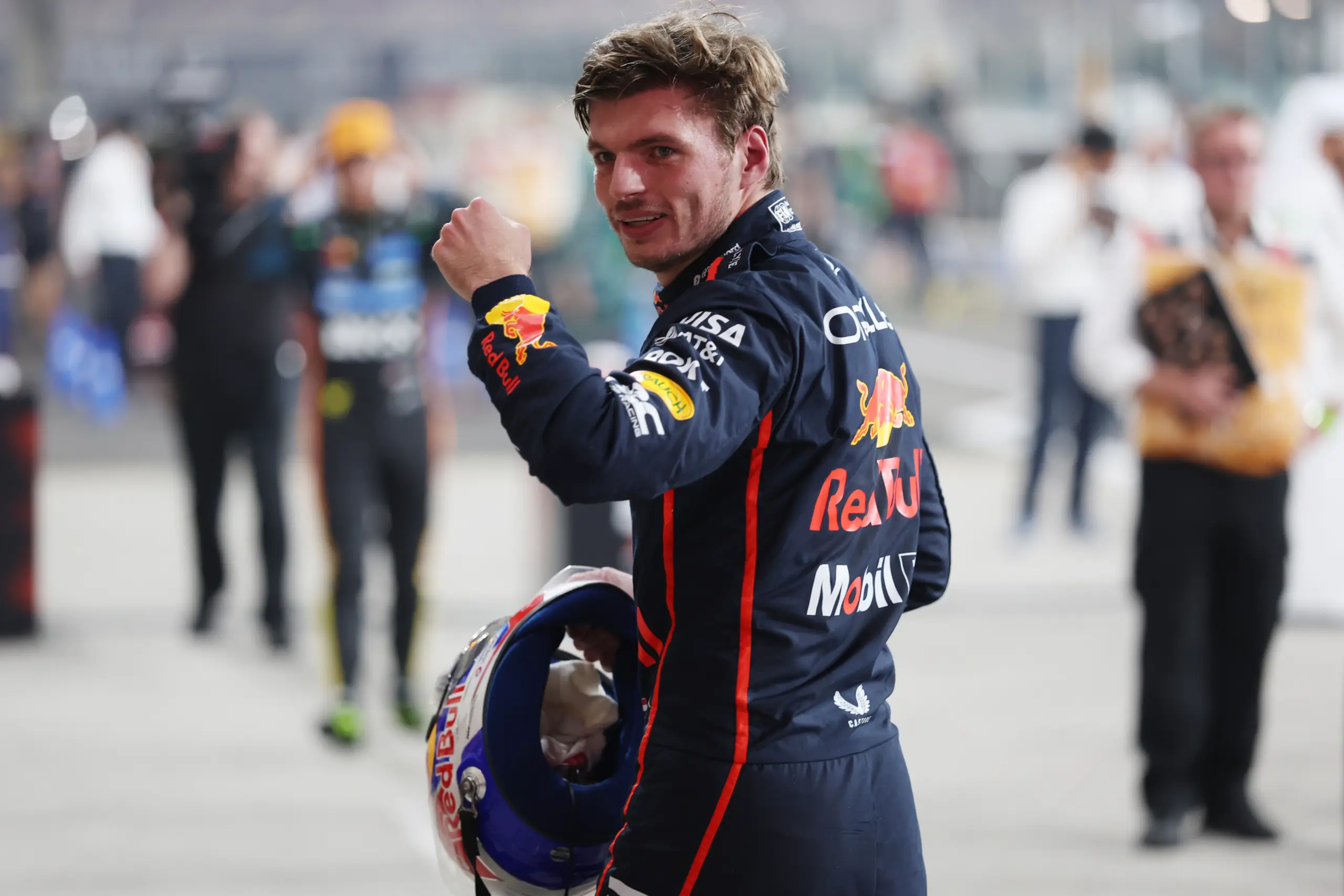
As Red Bull grapples with its future, the implications of their choices could reverberate well beyond 2026. The fate of their star driver, Max Verstappen, looms large. The reigning four-time world champion has publicly committed to the team for the upcoming season, yet the prospect of being tethered to an uncompetitive outfit could jeopardize his long-term plans. With powerhouse teams like Mercedes and Aston Martin eyeing the talented driver, Verstappen’s future could hang in the balance if Red Bull fails to deliver.
In a sport where every fraction of a second counts and the competition is fiercer than ever, Red Bull Racing finds itself at a critical crossroads. Can they regroup and rise to the occasion, or are they destined to fade into obscurity as rivals surge ahead? Only time will tell, but one thing is clear: the 2026 season will be a defining moment for Red Bull, and the pressure is mounting.


