Red Bull’s Bold Claim: New F1 Power Unit Legal, But Pushing the Limits!
In a world where competitive edge is everything, Red Bull Racing is making waves with its audacious declaration regarding its 2026 Formula 1 engine. The team’s confidence is palpable as they assert that their cutting-edge power unit adheres strictly to the regulations. Ben Hodgkinson, the director of Red Bull Powertrains, dismisses the surrounding chatter as “a lot of noise about nothing,” but is this confidence misplaced or a stroke of genius?
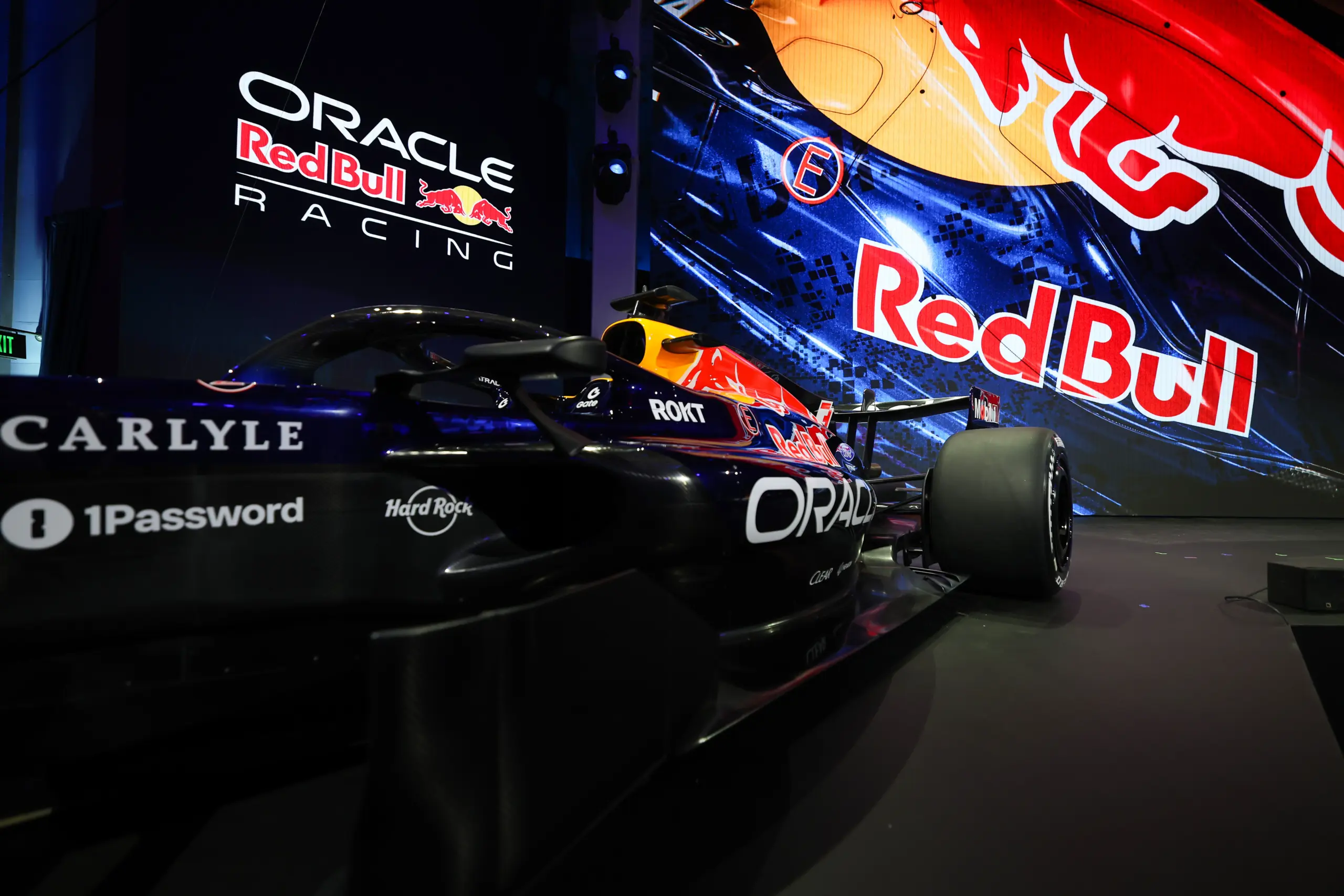
As Red Bull prepares for its season launch in Detroit, the partnership with Ford is officially underway, marking a significant milestone in their engineering collaboration. However, the groundwork for this engine has been laid over four years at the state-of-the-art Red Bull Campus in Milton Keynes. The real question remains: how will a newcomer fare against seasoned manufacturers in an increasingly electrified sport?
As anticipation builds for the upcoming winter testing in Barcelona, the focus has shifted to the internal combustion engine, specifically the contentious compression ratio. Previously set at 18:1, the ratio has now been lowered to 16:1 for 2026, ostensibly to level the playing field for new entrants. But this change has stirred the pot, igniting debates among competitors about compliance and performance.
Rival teams, including Audi, Ferrari, and Honda, are voicing concerns that both Mercedes and Red Bull Powertrains could be exploiting a loophole. They argue that while static tests at ambient temperatures comply with the 16:1 limit, real-world performance could reveal a different story at higher temperatures. This brewing controversy has caught the attention of the FIA, sparking an agenda item for a crucial technical meeting on January 22, where multiple aspects of the new regulations will be dissected.
In a candid exchange with select media, Hodgkinson made it clear that he stands firmly behind Red Bull’s engineering decisions. “I think there’s some nervousness from various power unit manufacturers that there might be some clever engineering going on in some teams,” he stated. His confidence shines through as he insists, “I know what we’re doing, and I’m confident that what we’re doing is legal.” Yet, he acknowledges that the team is pushing the envelope: “Of course, we’ve taken it right to the very limit of what the regulations allow. I’d be surprised if everyone hasn’t done that.”
The crux of this debate hinges on differing interpretations of the technical regulations. Article C5.4.3 permits checks only when the engine is stationary, leading Red Bull and Mercedes to assert their compliance. However, Article C1.5 demands that teams adhere to regulations at all times during competition, making the 16:1 compression ratio a hot topic among rivals.
Hodgkinson, however, is not shy about expressing his disdain for the newly imposed limits. He argues that the reduction to 16:1 is overly restrictive. “From a purely technical point of view, the compression ratio limit is too low. We have the technology to make the combustion fast enough, so the compression ratio is way too low,” he explained. He believes that aiming for a near-maximum compression ratio should be the goal for all manufacturers, suggesting that every fraction of a point could yield significant performance gains.
As the countdown to the new F1 season continues and tensions rise, all eyes will be on Red Bull. Will their bold claims hold up under the scrutiny of competition, or will they find themselves at the center of a regulatory storm? One thing is for certain: the battle for supremacy in Formula 1 is heating up, and Red Bull is ready to fight tooth and nail!