Red Bull and Ferrari Dominate Early F1 Testing as Teams Gear Up for 2026 Season
In a thrilling start to the F1 2026 testing season at the Circuit de Barcelona-Catalunya, Red Bull and Ferrari have emerged as frontrunners, showcasing their impressive reliability and performance. All eyes were on Red Bull’s RBPT-powered RB22, which not only topped the unofficial timing screens but also drew admiration from rival drivers, particularly George Russell. The Mercedes star was quick to praise Red Bull’s impressive mileage, stating, “The Red Bull power unit has completed a lot of laps, which, given that it’s their first engine they’ve built, means they’ve clearly done a good job.”
As the teams embarked on their first of five days of testing, seven out of eleven teams took to the track, with Red Bull’s Isack Hadjar clocking the fastest time of the day. Mercedes opted for a strategic split of driving duties between Russell and Kimi Antonelli. Russell finished the day in second place, with a time just over half a second slower than Hadjar’s blistering pace, while Antonelli secured fourth place in the morning session.
The buzz around Red Bull is palpable, especially after four years of meticulous work establishing their new Red Bull Powertrains (RBPT) department. This ambitious project was originally led by former team boss Christian Horner, who has since handed the reins to Laurent Mekies. Their hard work has clearly paid off, as Russell noted the remarkable performance of the new power unit on its first outing.
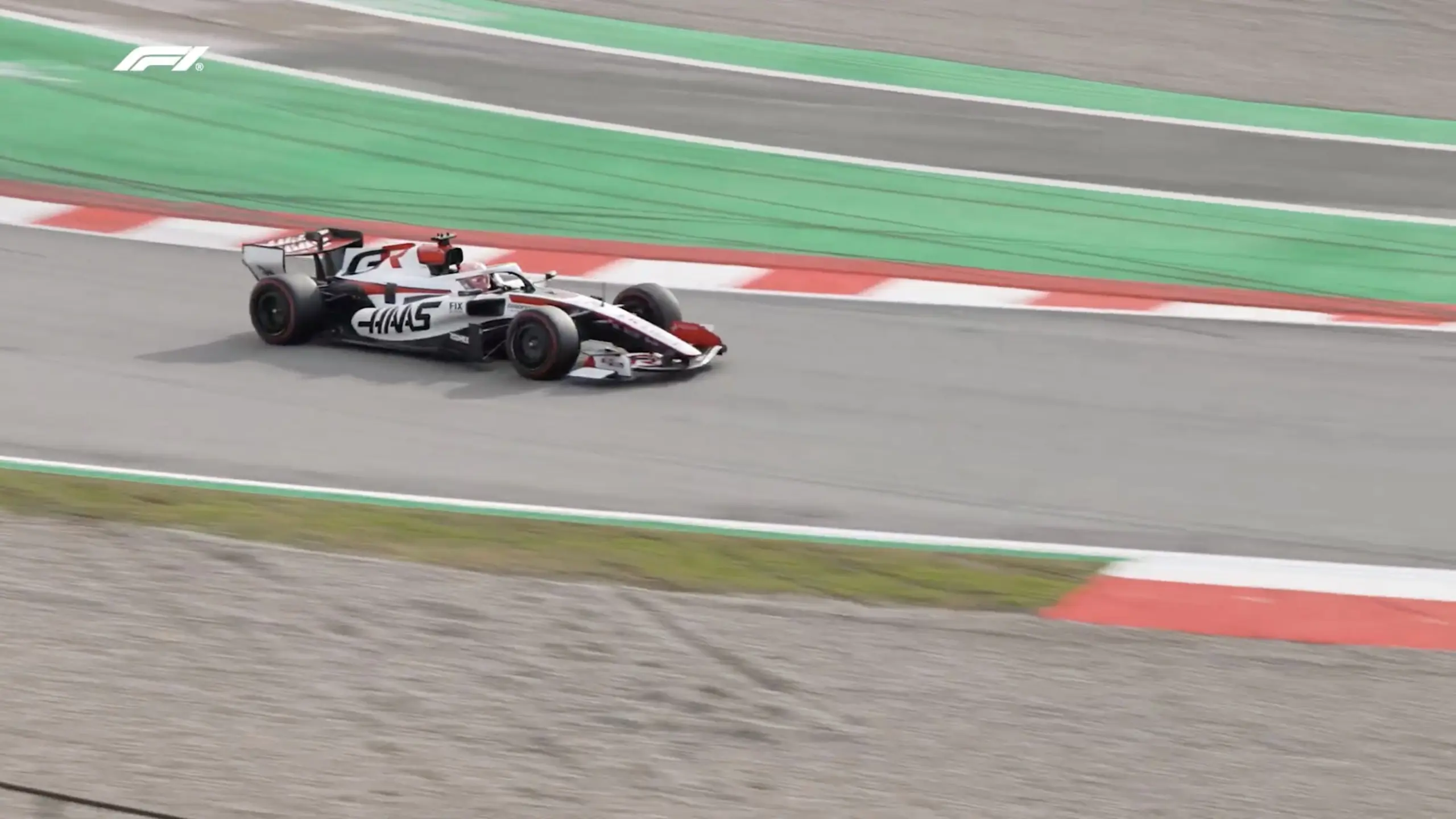
Not to be overlooked, Haas also made a strong showing, managing to complete an impressive number of laps, indicating that their Ferrari power unit is equally capable. Russell acknowledged Haas’s performance, stating, “Haas also managed a similar amount of running to ourselves, so the Ferrari power unit has also put together plenty of mileage.” This marks a significant evolution in the sport since 2014 when Mercedes first dominated the hybrid V6 era.
Mercedes, despite not leading the timesheets, demonstrated stability with their W17 power unit, achieving a commendable 149 laps across both drivers. Head of trackside engineering Andrew Shovlin expressed satisfaction with the team’s progress, emphasizing the importance of mileage in understanding their new car and refining their performance for the season ahead. “It has been a monumental project to get this car ready, both on the chassis and power unit side,” Shovlin stated, highlighting the extensive efforts made at their Brixworth facility.
As for Kimi Antonelli, the young driver reflected positively on his initial experience with the W17, completing 56 laps. “It was nice to be back in the car this morning and, more importantly, we’ve had a productive first day here in Barcelona,” he remarked, acknowledging the wealth of knowledge to be gained as the team navigates the complexities of the new regulations.
With the introduction of the 2026 regulations, drivers are adapting to a new driving dynamic that significantly alters their approach after years of ground-effect generated downforce. Russell, however, remains optimistic, stating, “They are quite different for us as drivers but, once you get your head around it, driving them is quite intuitive.”
As the teams prepare for the upcoming days of testing, fans and pundits alike are on the edge of their seats, eager to see how Red Bull, Ferrari, and the rest of the grid will shape up in this new era of Formula 1 racing. The stakes are high, and with so much talent on the track, the excitement is only just beginning!