Racing Bulls on the Brink: A High-Stakes 2026 Formula 1 Season Awaits!
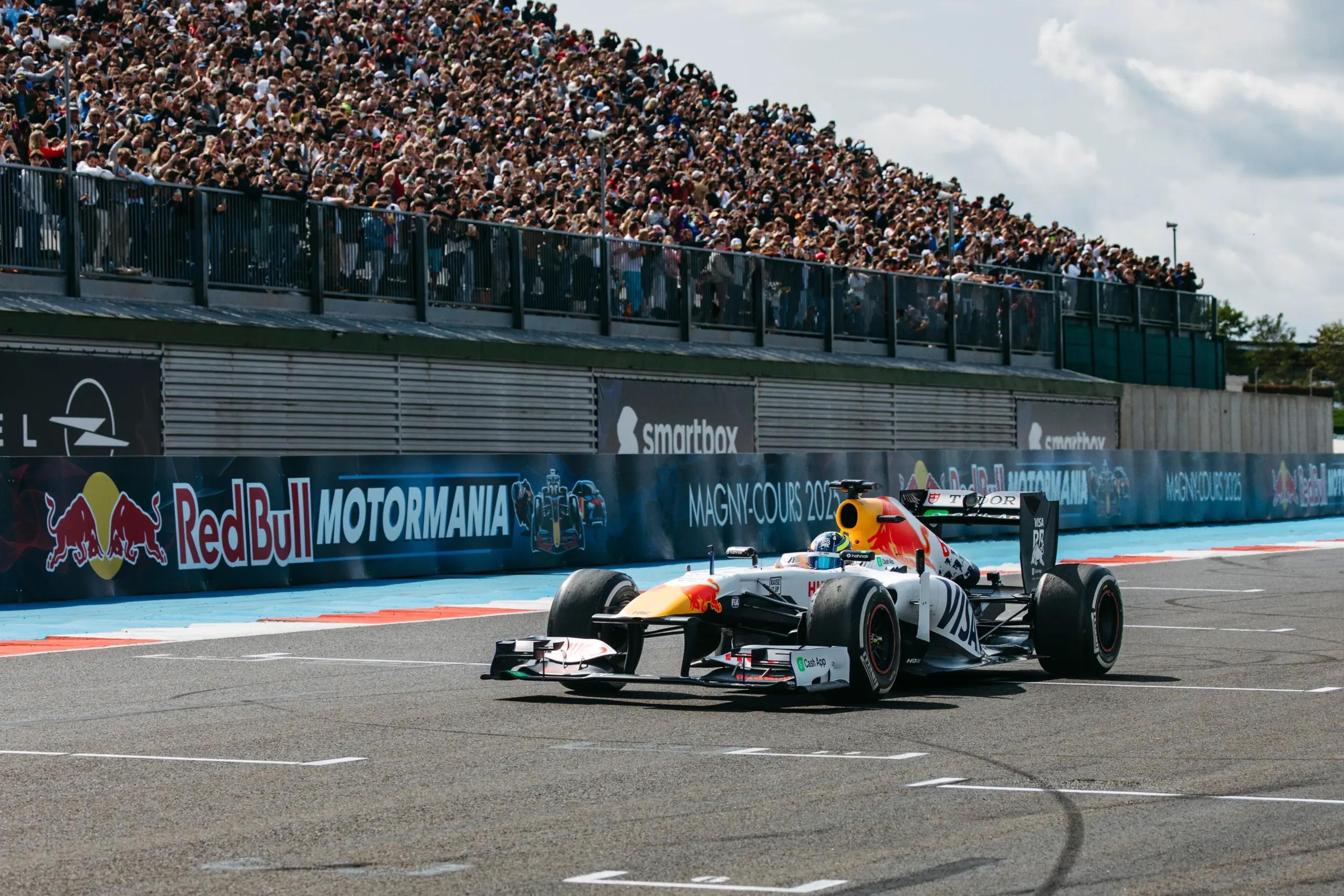
The roar of engines is about to echo through Detroit as the 2026 Formula 1 car launch season kicks off tonight! Red Bull and its sister team, Racing Bulls, are set to unveil their liveries amidst a whirlwind of excitement and uncertainty. As all 11 teams prepare to showcase their new looks over the next three weeks, they face a colossal shake-up in technical regulations that could redefine the competitive landscape. With significant changes to car design aimed at enhancing electrical power and reducing weight, the pecking order is anyone’s guess!
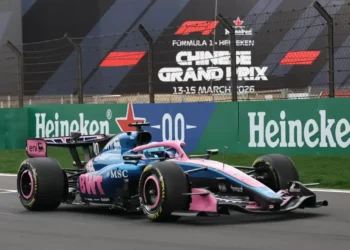
But what does the future hold for Racing Bulls? Buckle up, because the team is gearing up for a monumental transformation, particularly in its driver lineup and power unit supplier. Enter 18-year-old prodigy Arvid Lindblad, who will make his F1 debut after a commendable sixth-place finish in his rookie F2 campaign. Lindblad’s rise comes on the heels of Isack Hadjar’s promotion to Red Bull, a move that seemed inevitable after Hadjar’s impressive performance, including a stunning podium finish at Zandvoort.
The spotlight is now on Lindblad, who faces minimal competition for a coveted seat in the Racing Bulls lineup, a position solidified by the lack of alternatives in Red Bull’s junior ranks. Since joining their program in 2021, Lindblad has been a standout talent, making him the clear choice for this season. He will team up with Liam Lawson, a driver who has faced his own set of challenges. After a rocky start to the 2025 season with Red Bull, Lawson found his footing at Racing Bulls, finishing 14th in the championship. With the pressure mounting, this could be a make-or-break year for Lawson, as Red Bull is known for its quick driver rotations if stars are not aligned for promotions.
Amidst these personnel shifts, Racing Bulls is set to embark on a daring new engine program. The highly anticipated debut of Red Bull Powertrains marks a pivotal moment, as the team transitions from a longstanding partnership with Honda, which had originally declared its exit from F1. Despite Honda’s change of heart, Red Bull is committed to its own engine development in collaboration with Ford, creating an exciting yet uncertain path ahead.
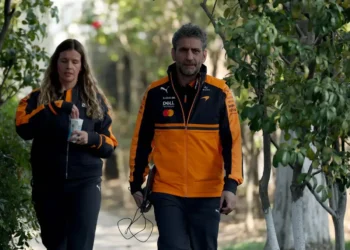
As the paddock buzzes with speculation, Mercedes-powered teams are the talk of the town, boasting dominance from the last major engine overhaul in 2014. Ferrari is also expected to make waves with its storied engine legacy. But what about Racing Bulls? With the new in-house power units, the team is stepping into uncharted territory. Red Bull’s own boss, Laurent Mekies, warned that it would be “naive” to assume immediate success, calling the decision to build engines internally “the craziest decision one can take.” The pressure is on Racing Bulls to hit the ground running when the lights go out in Melbourne.
One of the team’s key advantages is its close-knit collaboration with Red Bull, allowing for shared components and cost-effective solutions. Racing Bulls is uniquely positioned with its dual bases in Faenza and Milton Keynes, giving staff the flexibility to operate across both locations and ensuring that talent is not confined to a single area.
After a commendable sixth-place finish in the 2025 standings—the highest since its AlphaTauri days—Racing Bulls is eager to replicate that success in 2026. The road ahead is fraught with challenges, from adapting to a new power unit to navigating the loss of a star driver. Yet, Racing Bulls remains focused on securing a solid midfield presence and building on its previous achievements.
As the countdown to the 2026 season begins, all eyes will be on Racing Bulls. Will they rise to the challenge or falter in the face of fierce competition? One thing is for sure: the stakes have never been higher, and the world of F1 is watching!