Porsche’s Dreams of Glory in WEC Hypercar Crumble: A Shocking Withdrawal from Le Mans!
The motorsport world is reeling as the long-anticipated entry of the Porsche 963 in the 2026 World Endurance Championship (WEC) has been dashed, leaving fans and enthusiasts in disbelief. Just days before the official announcement, shocking revelations from insiders indicate that there will be no Porsche 963s gracing the Hypercar grid next season. This is a devastating blow not only to Porsche but to the entire endurance racing community.
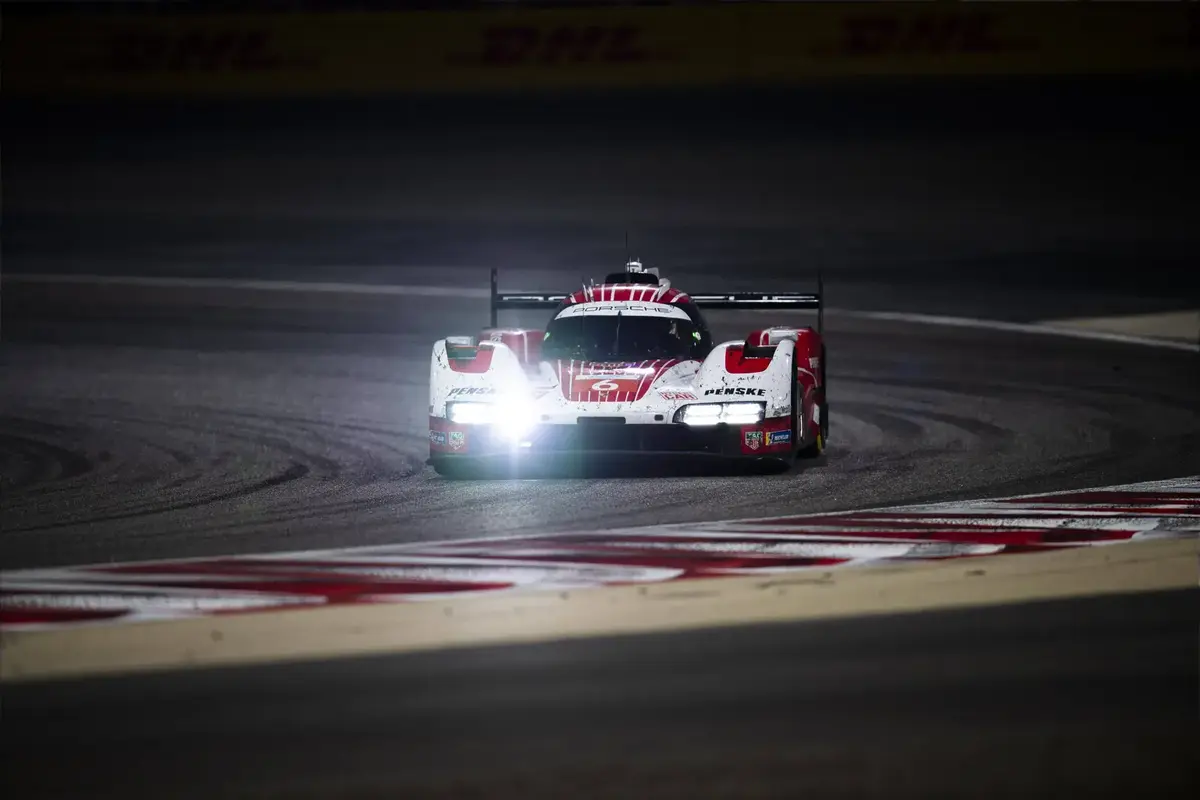
According to exclusive information, the renowned racing team Proton Competition, under the ownership of Christian Ried, will not participate in the esteemed Hypercar category next year. This means that the iconic Porsche 963 will be absent from the legendary Le Mans 24 Hours, a race that has been the pinnacle of endurance racing for decades. The dream of witnessing the 963 roar through the Circuit de la Sarthe is now a fading fantasy.
The disappointment deepens as Porsche Penske Motorsport had already confirmed the shutdown of its ambitious Hypercar project. Despite a glimmer of hope that Proton could secure the necessary backing to field a second car—a prerequisite for competing in the top class—Porsche pulled the plug on any collaborative efforts. They argued that a partnership with Penske could lead to brand confusion, leading to a dramatic U-turn that has left many questioning Porsche’s commitment to the WEC.
Roger Penske himself had shown willingness to support Proton’s endeavor, but it seems the German automotive giant had other plans. The inability to field even a single 963 means the team must now relinquish their aspirations of conquering the prestigious Le Mans, a pursuit that once fueled the partnership with Porsche Motorsport. The reality is stark: the 963 will not be part of the iconic race come June, marking a historic absence for a top-class Porsche—something not seen since the legendary 908 debuted in 1968.
What does the future hold for the 2026 WEC grid? As the countdown begins to the official announcement, the landscape appears grim. Projections indicate a total of 35 full-season entries for next year, a slight decrease from the previous season. Among these, only 17 will compete in Hypercar, with the introduction of Genesis effectively replacing Porsche in the manufacturer count. This new addition will join established names like Alpine, Aston Martin, BMW, Cadillac, Ferrari, Peugeot, and Toyota, but it highlights a growing concern: the landscape is becoming increasingly crowded with factory entries, leaving little room for privateers.
In a shocking turn of events, the once-prominent presence of private teams in the Hypercar class is evaporating. JOTA Sport, which clinched the Hypercar Teams’ Trophy in 2023 and 2024, has transitioned to become Cadillac’s official racing team, taking its Porsche 963s with it. Now, with Proton’s withdrawal, AF Corse stands as the sole remaining privateer, albeit with a Ferrari 499P that is far from independent given its factory backing.
The looming specter of increased competition from manufacturers like Genesis, McLaren, and Ford threatens to suffocate true privateer teams in the WEC. The regulations that were initially crafted to offer space for independent racers now seem to be overshadowed by a tidal wave of factory entries.
As Proton Competition steps back from the WEC, the question arises: where will these privateers find refuge? The IMSA series, too, appears to be a daunting battleground, leaving JDC-Miller MotorSports to face off against far more powerful factory-backed teams.
This is a significant moment in endurance racing history. With the absence of the Porsche 963 from the 2026 WEC, fans are left to wonder if this is merely the beginning of a trend that could see the sport lose its rich tradition of privateer competition. The engines may roar on the racetrack, but in the hearts of fans, the silence of the Porsche 963 will resonate long after the last lap is run.