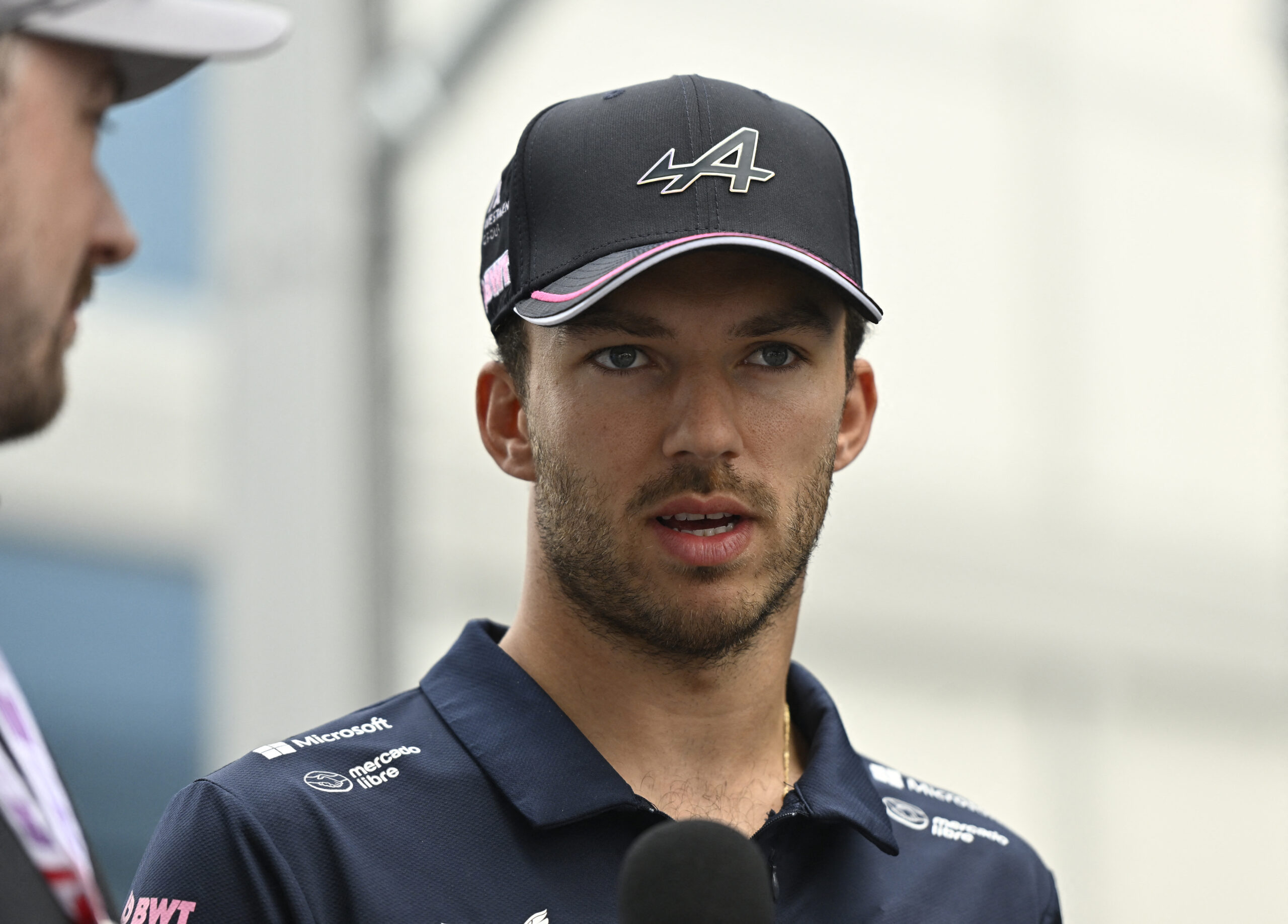
Max Verstappen, the prodigious talent of Red Bull Racing, has garnered accolades and achieved remarkable feats on the racetrack, yet a shadow looms over his success: allegations of favoritism within the team. Pierre Gasly, a former teammate, has stepped forward with explosive claims that expose a stark reality: during his tumultuous 2019 season, he felt utterly abandoned, lacking support from the very organization meant to nurture him.
Gasly’s candid revelations paint a picture of a team divided, where Verstappen seemingly basked in preferential treatment while Gasly struggled to find his footing. “I didn’t get support from anywhere,” Gasly lamented, underscoring the challenges he faced as he attempted to carve out his own identity amid a backdrop of bias. The implications of this statement are profound; it raises questions about the internal dynamics at Red Bull and the pressures faced by drivers who are not in the spotlight.
In the cutthroat world of Formula 1, the disparity in treatment can make or break a career. Gasly’s experience serves as a cautionary tale about the perils of entering a high-stakes environment where favoritism can skew the odds. As Verstappen continues to shine, clinching impressive finishes even when the car’s performance wanes, Gasly’s narrative reveals the darker side of competitive racing.
This revelation comes as fans and analysts alike delve deeper into the operational ethos of Red Bull Racing. Gasly’s assertions prompt a critical examination of how talent is nurtured—or neglected—within the ranks of one of F1’s most formidable teams. Will this exposé lead to a reassessment of how the team supports its drivers? Only time will tell, but one thing is clear: the conversation surrounding bias and support in Formula 1 is far from over.