
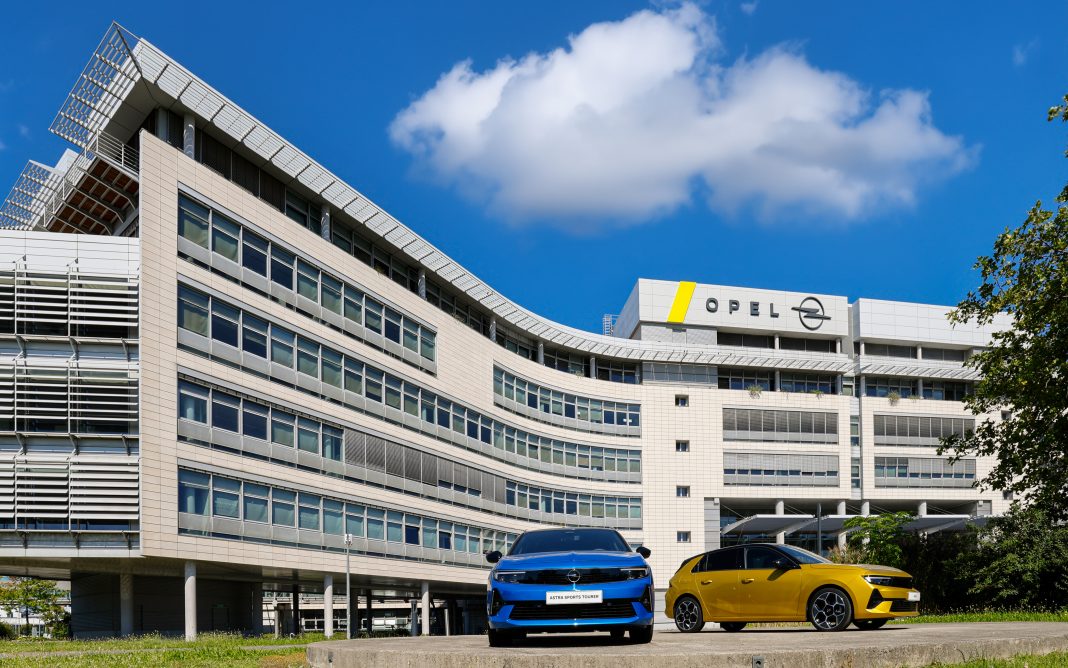

Stellantis intends to eliminate 650 jobs in the engineering division of Opel, at the brand’s headquarters in Rüsselsheim, Germany. Currently, there are 1,650 engineers in this department!
The Italian-French group, in order to optimize financial and human resources, has decided to transform this unit into a technology competence center, specialized in Advanced Driver Assistance Systems (ADAS) and Artificial Intelligence (AI). The new structure will also work on the development of both batteries and software components for the STLA Brain architecture of the second largest car manufacturer in Europe.
Stellantis’s decision does not remove Rüsselsheim’s responsibilities in the design and development of Opel (and Vauxhall) cars, but it reduces the size of the manufacturer’s technical center, with the aim of making it a much more specialized technology center. However, the measure, which is part of the consortium’s package of actions to reorganize its operations in Europe in order to optimize resources, reduces the resident workforce by 40%.
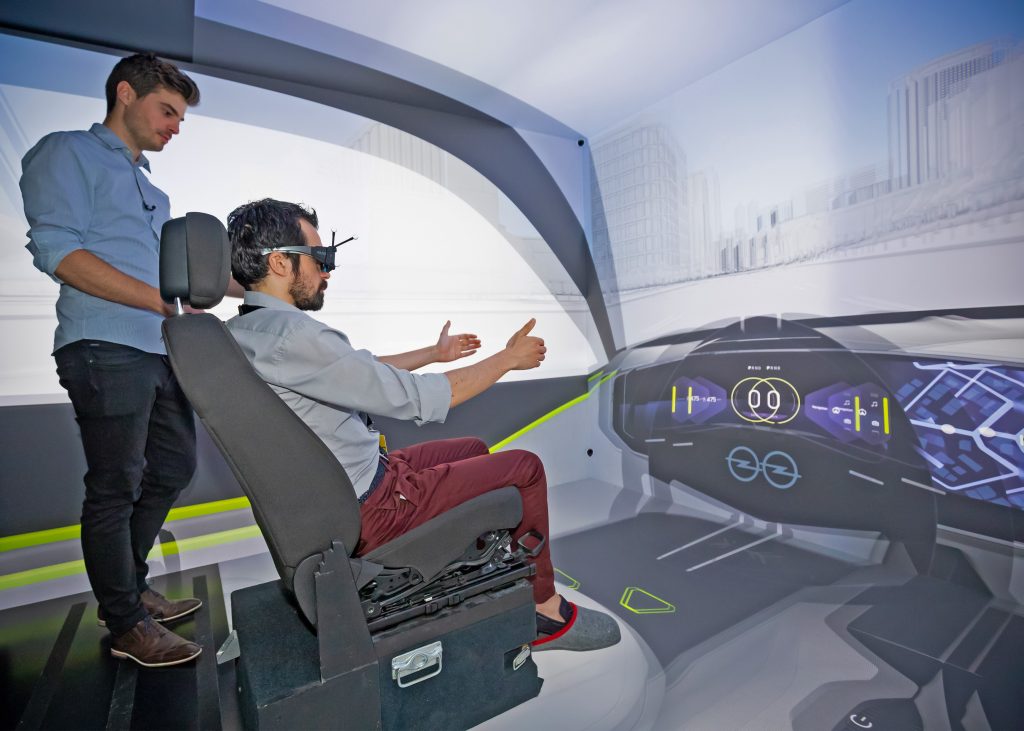
In the not-so-distant past, remember, Rüsselsheim had one of the largest automobile development centers in Germany, a country that is losing strategic importance and prominence with this restructuring of Stellantis operations, which is even (very) committed to expanding its global network of research and development (R&D) centers. This is evidenced, for example, by the advanced negotiations with the Chinese partner Leapmotor, for the development of an SUV with electric powertrains for Opel, which will be produced by Stellantis in Zaragoza, Spain.
The consortium will communicate the pace of implementation of the new organization only after meetings with employee representatives, who have already received communication from the company informing them that the planned cuts program to be executed by 2029 is insufficient to recover the brand and put it back on track. It is worth noting that Rüsselsheim has been experiencing a continuous decrease in jobs since the PSA Group acquired Opel in 2017. At that time, the German brand, combining the number of employees at the headquarters and other facilities, had more than 7,000 engineers; then, the process of streamlining activities began, leading to the relocation of operations and reductions in personnel, through voluntary departures or transfers to external service providers.