
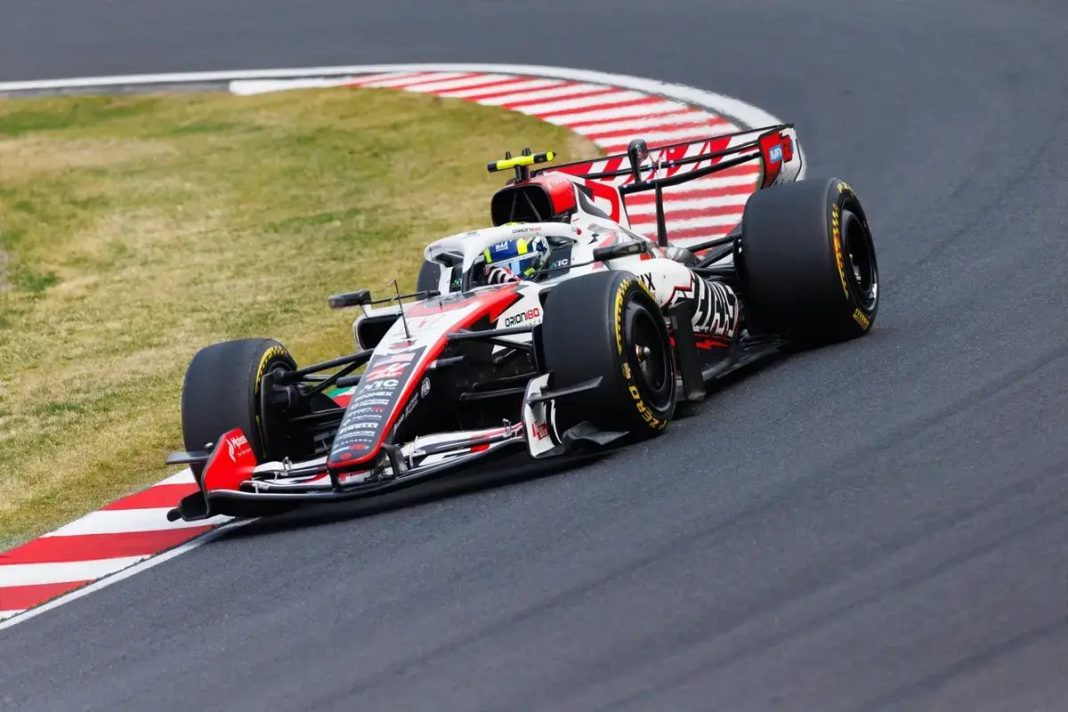

Title: A Wake-Up Call for Formula 1: The Oliver Bearman Crash Echoes a Dark Past
In an event that has sent shockwaves through the racing world, the 2026 Japanese Grand Prix was expected to highlight Kimi Antonelli’s remarkable talent, following his impressive second consecutive victory. Instead, the race has spiraled into a scandal reminiscent of government cover-ups, overshadowed by a catastrophic crash involving young driver Oliver Bearman—a harrowing incident that many insiders had long warned could happen.
Since the controversial introduction of new regulations just weeks ago, the message from the powers that be has been clear: give these changes a chance. However, the reality of the situation is far more alarming. Despite an initial wave of optimism from journalists and media commentators, the grim truth about the risks posed by these new rules has begun to surface, and the implications are dire.
What was once dismissed as an experimental shift to a hybrid powertrain—combining both internal combustion engines and electric systems—has now devolved into a dangerous and reckless trial, raising urgent concerns about driver safety. The horrifying crash at Spoon involving Bearman appears to be the tragic climax of a desperate attempt by Formula 1’s leadership to save face while prioritizing commercial interests over the lives of its drivers.
The fallout from this incident is far-reaching, with drivers, fans, and the media demanding accountability. The notion that Formula 1 would place its drivers in harm's way rather than admit to fundamental flaws in its regulations is utterly disgraceful. This is a sport that has previously faced tragedy due to negligence, and history seems poised to repeat itself.
The eerie parallels between Bearman’s crash and the catastrophic events of early 1994 are alarming. In 1989, the sport was already grappling with safety concerns, as cars became faster and more dangerous, leading to the infamous San Marino GP disaster. Drivers like Ayrton Senna and Gerhard Berger had sounded the alarm, yet their warnings were largely ignored, culminating in tragedy that forever altered Formula 1.
Fast forward to today, and we see the same reckless disregard for safety. Bearman’s crash unfolded in a scenario that should never have been allowed to occur. Racing at speeds exceeding 160 mph, Bearman had no choice but to confront a rapidly slowing car in front of him. The situation was exacerbated by new regulations that left him with virtually no options, effectively forcing him to make an impossible choice between collision or catastrophe.
Bearman’s brush with disaster raises a critical question: how many warnings will go unheeded before drastic action is taken? The FIA’s response following the crash has been underwhelming, offering vague reassurances and promises of future discussions while failing to acknowledge the immediate dangers posed by the current regulations.
The lack of transparency surrounding the event is equally concerning. Despite a supposed commitment to safety, the qualifying session was plagued by anomalies, including the inexplicable absence of onboard footage from polesitter Antonelli’s lap—a move that has sparked accusations of censorship. Was the FIA attempting to sweep unsettling truths under the rug in a bid to maintain a facade of control and positivity?
As discussions about the future of Formula 1 continue, one thing is clear: the narrative surrounding the sport has irrevocably shifted. The era of ignoring safety concerns in the name of progress must come to an end. The tragic events of the past are now a stark reminder that the price of negligence can be irrevocably high.
The Oliver Bearman incident serves not only as a wake-up call but as a critical juncture for Formula 1. With history threatening to repeat itself, all eyes are on the sport’s leadership to enact real change before it’s too late. The time for action is now, and it must prioritize safety above all else.