Formula 1: Oliver Bearman’s Battle With the New Generation of Cars – Is It Time for a Change?
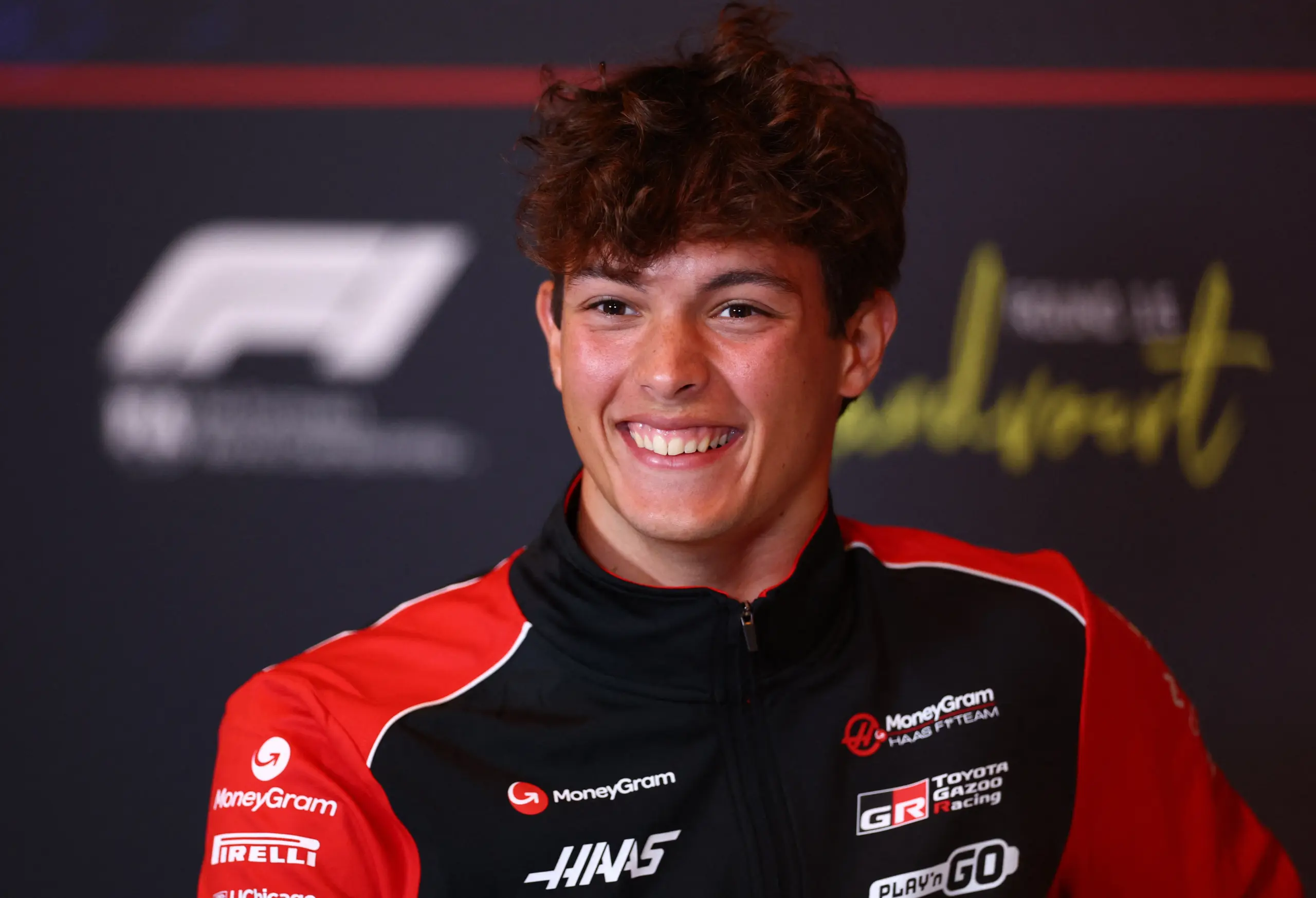
In the high-octane world of Formula 1, where speed and precision reign supreme, a new wave of challenges is rearing its head, and young British driver Oliver Bearman is feeling the heat. The Haas pilot openly expressed his frustration with the demanding technical requirements of the latest generation of F1 cars, which are heavily reliant on electric energy and necessitate meticulous power management throughout each lap.
Bearman’s candid remarks shine a spotlight on a startling reality: the evolution of F1 cars is not just about speed; it's about a fundamental shift in driving instincts. With revamped power units that offer an almost equal blend of combustion and electric power, drivers are now forced to adopt a new strategy—managing acceleration with surgical precision to avoid draining precious electric energy. This has led to the frequent use of the ‘lift-and-coast’ technique, where drivers lift off the throttle and let the car coast, even during critical fast laps.
“It’s definitely the energy management that’s the annoying part, the clipping and all those things,” Bearman lamented in a statement that encapsulates the frustration many drivers may be feeling. “It's much more than what we were used to, but that’s expected given the increased dependency on the electric component compared to the previous generation. Experiencing it for the first time is a bit disheartening.”
The implications of this shift are profound. While the new cars are undeniably fast, boasting reduced aerodynamic drag and powerful electric boosts, the reality is that speed now comes hand-in-hand with caution. Bearman’s struggle highlights a growing concern among drivers: has the exhilarating essence of racing been compromised in the pursuit of sustainability and efficiency?
As the sport embraces a greener future, the question looms large: are the innovations in F1 technology enhancing the racing experience, or are they creating obstacles that dampen the thrill? The sentiments from Bearman, a promising talent in the sport, might just be the tip of the iceberg in a broader conversation about the future of racing.
With the stakes higher than ever and the balance between speed and strategy striking a delicate chord, fans and insiders alike are left pondering the direction Formula 1 is heading. Will future generations of drivers adapt to these challenges, or will the sport need to revisit its approach to maintain the adrenaline-fueled essence that has captivated millions? As F1 evolves, one thing is certain: the road ahead will be anything but straightforward.