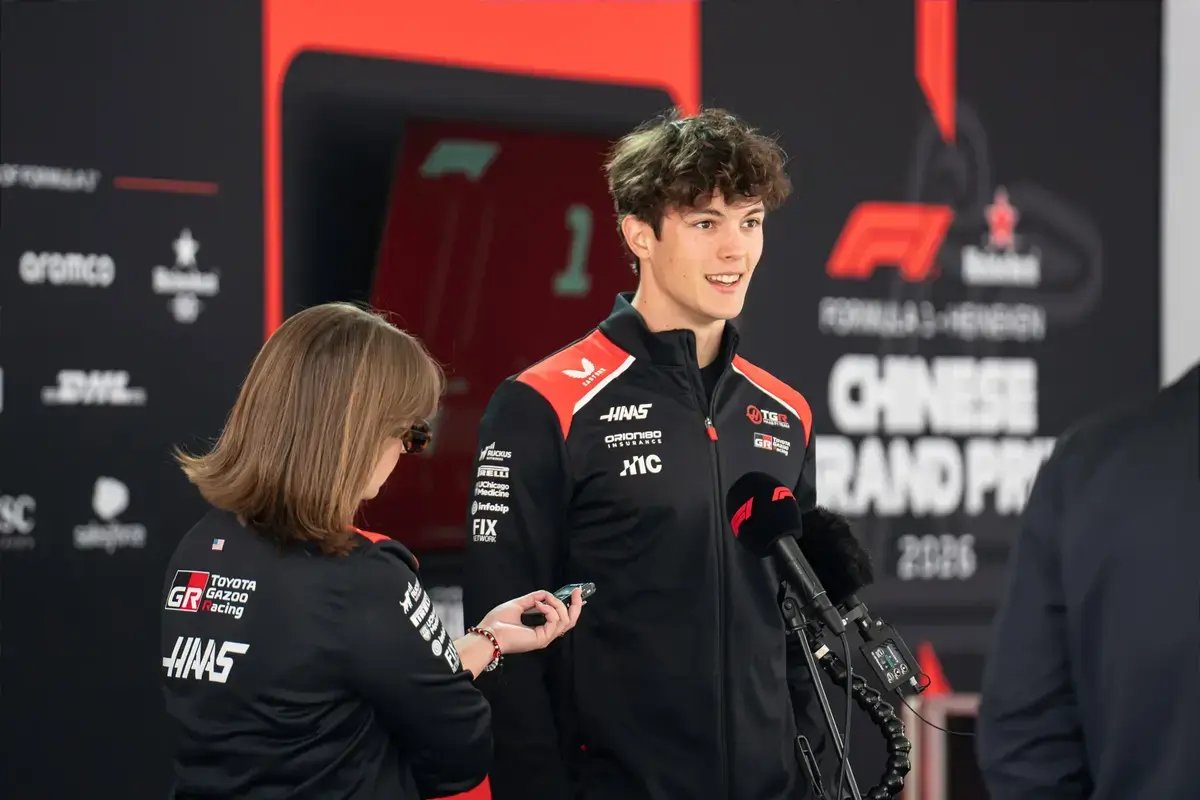
In the cutthroat world of Formula 1, where milliseconds can define glory or despair, Haas driver Oliver Bearman has spoken out about the crucial support they receive from Ferrari in the wake of a seismic shift in engine regulations. As the sport pivots towards a greater reliance on electric power, the race for optimal energy management is more critical than ever.
The new engine rules have turned the F1 grid into a battleground of strategy and timing, and while Mercedes appears to have the upper hand—claiming pole position with a staggering eight-tenths advantage over rivals Red Bull and Ferrari at the Australian Grand Prix—Haas is still in the learning phase. Bearman expressed profound appreciation for Ferrari’s transparency and assistance, stating, “Ferrari has been incredibly open and incredibly helpful with us in terms of the deployment strategy and giving us as much info as they can to help us.” This collaboration stands in stark contrast to the challenges faced by other customer teams, such as McLaren, who are grappling with issues beyond their control.
Bearman painted a vivid picture of the performance gap: “They’re almost a session ahead of us in terms of their quali. Their FP3 time was our quali time almost.” This stark realization underscores the uphill battle Haas faces as they strive to close the gap to the top teams. During qualifying, Bearman managed to secure a commendable 12th position but was still nearly a second behind Ferrari's best time, highlighting the stark difference in performance.
He elaborated on the intricacies of energy management, noting, “As the lap time goes up, the demands of energy change a lot.” The need for precise adjustments regarding lift-and-coast strategies, gear usage, and more has become paramount. The British driver explained that while Ferrari can take certain corners flat out, Haas often finds themselves needing to brake or downshift, forcing them to adapt their approach significantly.
Bearman also detailed the valuable insights gained from the Australian GP, pointing to specific corners, like Turn 5, where Ferrari’s superior speed was evident from the get-go. “In terms of strategy, you have to change the way that you approach things,” he said, indicating that understanding these dynamics is essential for Haas’s competitiveness moving forward.
As Haas gears up for the next race in Shanghai, Bearman is realistic yet optimistic. “The top four teams seem to be in a different race,” he acknowledged, emphasizing the importance of focusing on main qualifying and the race itself rather than merely the sprint event. With hopes of scoring points firmly in sight, Bearman is determined to leverage the insights gained from their experiences in Australia.
With a commitment to continuous improvement and a clear focus on the main race, Haas appears ready to tackle the challenges ahead. “The info that we've taken forward from Australia has helped,” Bearman asserted, alluding to their readiness to optimize their performance. As the F1 season progresses, all eyes will be on Haas to see if they can translate Ferrari’s guidance into tangible results on the track.