Since at least 2020, there have been many rumors suggesting that BMW is preparing a (ultra)luxury SUV, designated as the X8, effectively capable of competing with models such as the Bentley Bentayga, for example. Some believe that this was the mission of the XM, launched in 2022, and the first model fully developed since the M1, from 1978, by its (now sub-brand) sports division BMW M.
However, despite being the only vehicle from the Bavarian manufacturer approved for public roads to ever use a “road” derivative of the 4.4-V8 twin-turbo hybrid engine created for the BMW M Hybrid V8 LMDh competition car, the truth is that, on one hand, its acceptance, especially in the USA where it is manufactured, has always fallen short of expectations (it has consistently occupied the last place in the sales chart of the German manufacturer). On the other hand, there are those who consider it insufficiently sporty for a creation from BMW M, and also not luxurious, comfortable, and distinctive enough to be able to compete, it should be emphasized, with its aforementioned rival launched by the brand from Crewe, England.
The solution to this dilemma may involve, first and foremost, discreetly discontinuing a proposal that has never managed to convince as expected (and desired), and will hardly see a second generation. At the same time, taking the opportunity to reclaim the X8 designation (registered by BMW in 1998, a year before its entry into the SUV world with the original X5 of the E53 generation, but, to this day, never used), and making use of the rights to the name Alpina, acquired in 2020, and, according to the contract signed between both Bavarian companies, that BMW will have from 2026.
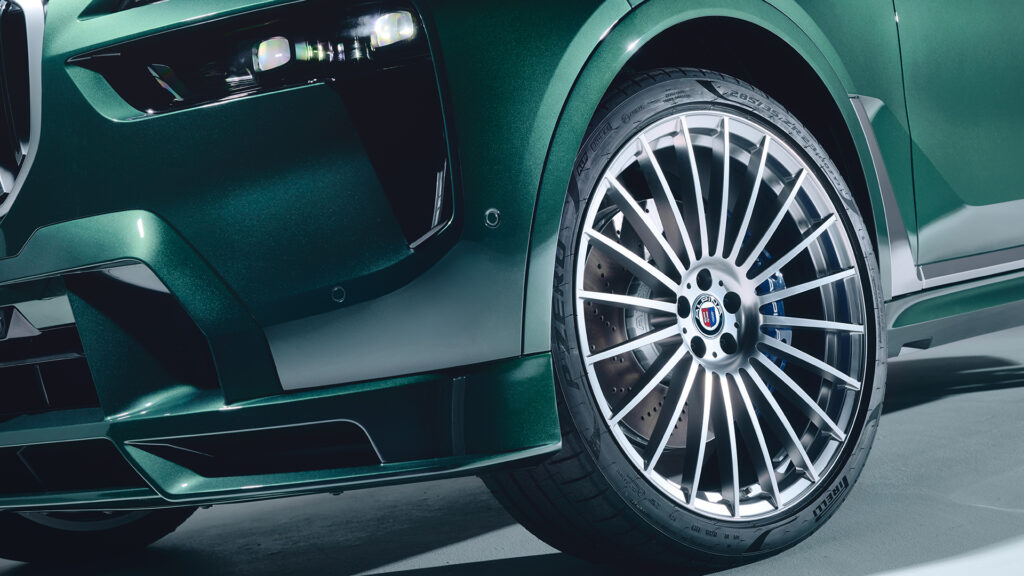

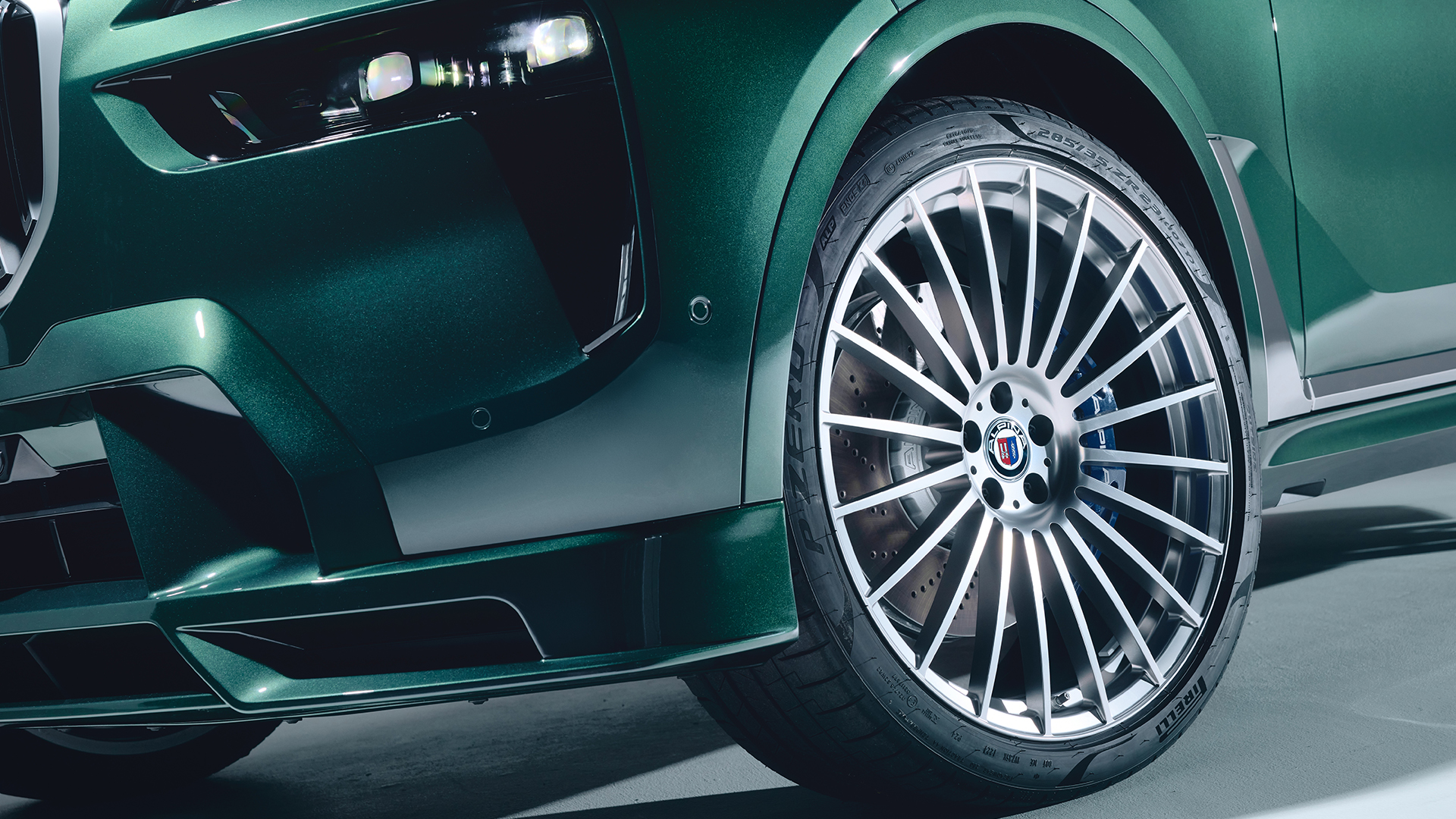
Supporting this theory is the fact that the house of the propeller, as reported by the website Autoblog, has registered the name XB8 with the European Union Intellectual Property Office (EUIPO). It is worth remembering that the letter “B” is commonly used as a prefix in the designation of its gasoline models by the Buchloe brand, founded in 1965, and historically (and intrinsically) linked to BMW, as it offers customized interpretations that are even more powerful and refined of its models (an example of this is its interpretation of the X7, identified by the acronym XB7).
Confirming all these assumptions, BMW could finally be in a position to propose an “opulent” SUV with the right positioning and look to succeed in an extremely demanding segment. And, as disappointing as the XM may have been, it is also not to be expected that the Munich manufacturer will start its new venture absolutely from scratch, being more credible that the respective architecture serves as a basis for the development of a hypothetical XB8, but with different levels of comfort, and identified by specific stylistic elements typical of Alpina, such as wheels, body kit, and exterior color palette. It is important to remember that for this to be possible, it will be necessary for another unprecedented fact to occur: Alpina to include in its range something that does not have a direct counterpart in BMW’s offering, since, historically, all its creations have always been based on existing BMWs.