NASCAR Faces the Chill: A Look Back at the Coldest Races in History!
As NASCAR gears up for the frosty showdown at Bowman Gray in Winston-Salem, North Carolina, fans brace for a bone-chilling evening! With temperatures barely scraping 30 degrees Fahrenheit and a brutal low of 12 degrees expected, the conditions could feel like single digits due to biting winds. Can you imagine racing in such frigid temperatures? The question looms: How cold is too cold for NASCAR?
The notorious race of February 25, 1990, is etched in history as the coldest Cup Series race ever recorded. The mercury hovered around a mere 31 degrees Fahrenheit as the green flag waved in Richmond, Virginia. That’s not just cold; that’s nearly freezing at the threshold of 0 °C! Ken Squier, warming up the CBS broadcast, famously quipped, “It is a bright, beautiful, sunlit day here at Richmond International Raceway. There’s only one problem – it is cold. Frosty the Snowman would want time-and-a-half for this one.”
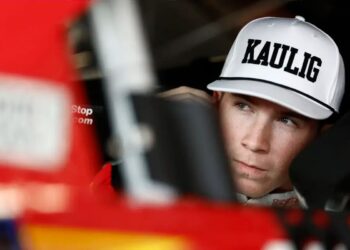
Fans and crew alike bundled up in layers, battling the elements while the race teams faced a unique set of challenges. With radiators taped shut and concerns swirling about cold tires leading to chaos, NASCAR allowed extra time before rolling onto the pit road to heat up the cars. Tension hung in the air as teams devised creative strategies to keep their tires warm—unfortunately, the No. 7 team of Alan Kulwicki didn’t escape the watchful eye of NASCAR when they pointed a heater at their tires, prompting an immediate unplugging. Instead, they resorted to covering their tires with a tarp in a desperate bid to retain warmth.
The race unfolded with Ricky Rudd claiming pole position, while the legendary Richard Petty and Dale Earnhardt found themselves starting from the back due to various predicaments. As the race progressed, Rob Moroso’s spinout on Lap 4 ignited some early chaos, but it was Mark Martin’s thrilling two-tire strategy during the final pit stop that sealed his victory. Earnhardt finished a commendable second, while Wallace rounded out the top three. Despite the cold, the day was clear, a stark contrast to some of the other notorious frigid races that have left their mark on NASCAR lore.
Let’s not forget the infamous Bristol ‘Snow-Bowl Derby’ of 2006! This race was a spectacle, featuring snowball fights, snowmen with lug nut smiles in the pit lane, and even race-winning snow angels by Kurt Busch, who celebrated his victory post-race. The track was blanketed in snow on race morning, forcing a delay, but the O’Reilly Series race eventually went ahead, illustrating the indomitable spirit of NASCAR.
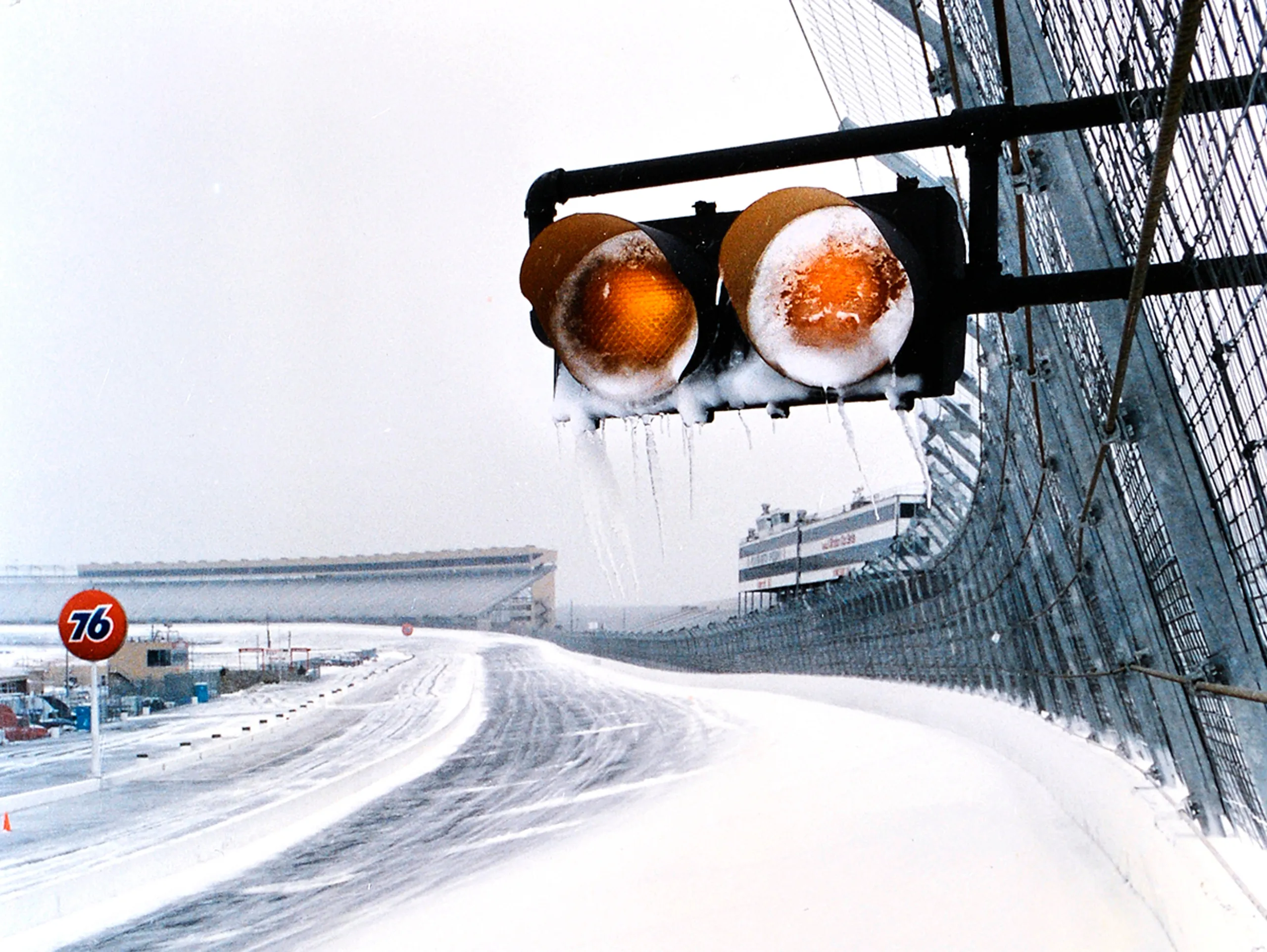
In 2008, Atlanta Motor Speedway faced a blizzard of epic proportions, transforming the grandstands into a winter wonderland. Snow cancelled qualifying, but the O’Reilly Series race pressed on despite the chilling winds. The temperature barely climbed above 40 degrees, and spotters atop the track braced against the relentless gusts.
Fast forward to 2018, and the chill continued to haunt NASCAR events. The Texas race on April 7 kicked off at a brisk 37 degrees, while Martinsville faced severe weather that forced a postponement and a double-header the next day, with temperatures lingering around 31 degrees.
Even in 2022, Martinsville witnessed a night race delayed by rain and sleet, leaving fans huddled under blankets, proving that the cold is an unwavering adversary in the NASCAR universe. And as recently as 2023, the final NASCAR race at Auto Club Speedway was marred by a mix of snow and rain, showcasing yet again that NASCAR will race through the storm.
As we gear up for the upcoming race at Bowman Gray, one thing is certain: NASCAR has faced some of the coldest conditions in sports history. Whether battling icy temperatures or unpredictable weather, the spirit of competition remains unyielding. Buckle up, because this winter spectacle is sure to be one for the record books!