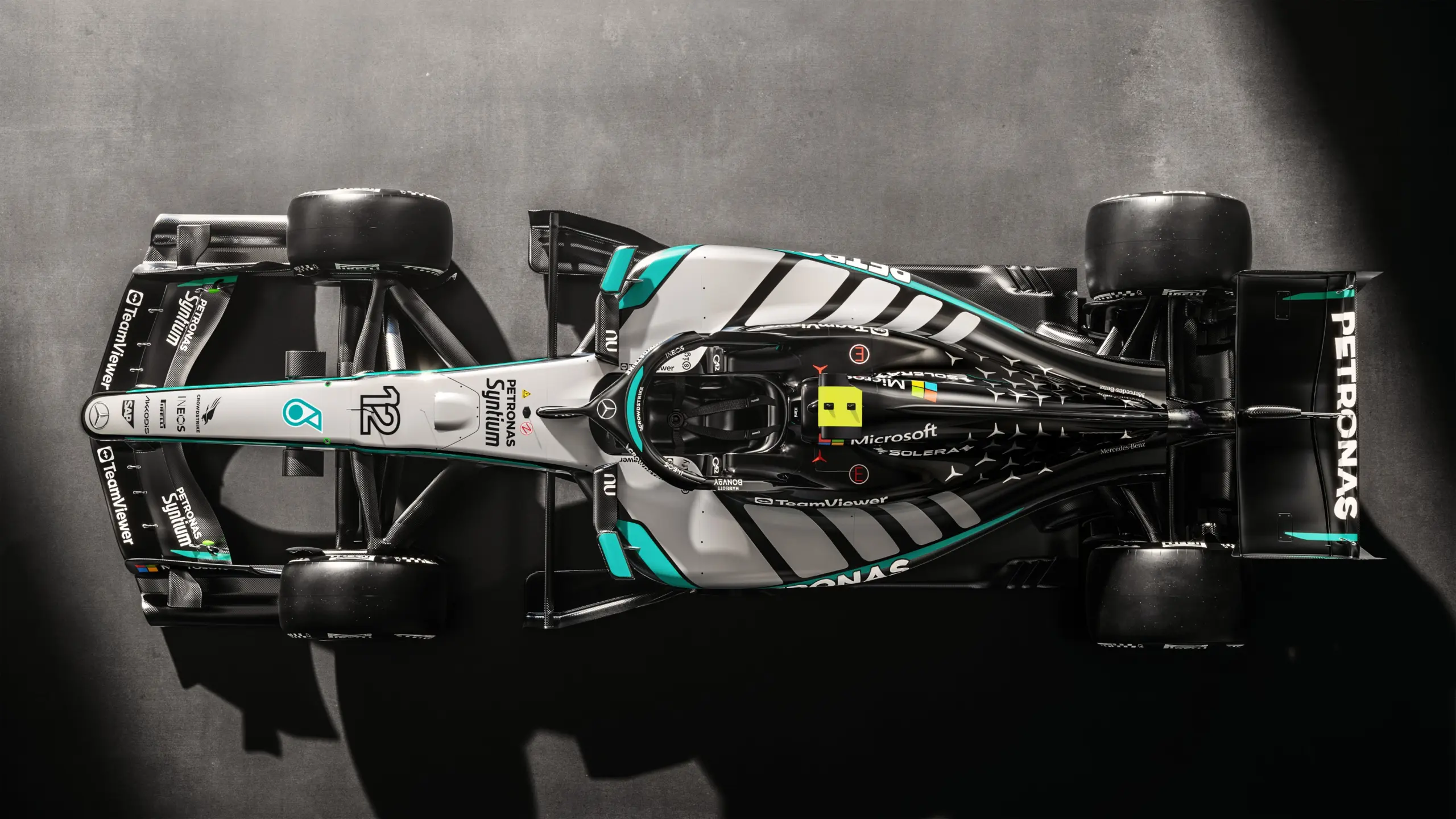
F1 Showdown: Rivals Rally to Change Engine Rules Before Australian GP!
In a dramatic twist ahead of the Formula 1 season opener in Melbourne, Mercedes’ competitors are uniting in a fierce bid to overhaul the engine compression ratio rules that could shake the very foundations of the sport! With whispers of a potential loophole enabling Mercedes to operate its engines at a higher compression ratio than the contentious 16:1 limit, the stakes have never been higher.
Amid growing tension and suspicion, rivals are mobilizing to propose a significant amendment to the existing regulations, which currently stipulate that compliance checks for compression ratios are conducted at ambient temperature. Allegations have surfaced that Mercedes may have discovered a way to manipulate the rules, allowing their engines to excel when hot. This has ignited a firestorm of activity among teams desperate to level the playing field.
Recent meetings with the FIA have intensified these efforts, as technical experts and the Power Unit Advisory Committee (PUAC) convened to deliberate on the contentious issue. However, reports indicating that new compliance procedures were agreed upon have been firmly debunked. While the current regulations remain in place, the urgency to reform them is palpable. Competitors are determined to push for a new testing procedure that would assess compression ratios when engines are at operational temperatures.
The plot thickens with the revelation that the initial frontrunners in this crusade—Ferrari, Audi, and Honda—have reportedly secured the backing of Red Bull, a game-changer in this high-stakes power struggle. The alignment of four major manufacturers presents a formidable coalition that could pave the way for the supermajority vote necessary to instigate an immediate rule change. This is particularly intriguing given Red Bull’s previous alignment with Mercedes’ interpretation of the regulations, suggesting they might have reassessed their strategy in light of their performance.
For any significant modification to the power unit rules to be enacted swiftly, it necessitates the unanimous support of four of the five current manufacturers, alongside the backing of both the FIA and FOM. Historically, these governing bodies tend to vote in unison, making the approval of any new proposal a steep hill to climb. So far, the FIA appears to be standing firmly behind Mercedes’ interpretation that compression ratios should be measured under ambient conditions—a stance that was reinforced during a recent redefinition of the 2026 power unit rules.
As tension mounts, Toto Wolff, Mercedes’ team principal, has expressed frustration over what he perceives as his rivals’ fixation on a clearly defined issue. “The power unit is legal,” he asserts, emphasizing that it adheres strictly to the regulations as they are currently written. With the FIA president Mohammed Ben Sulayem echoing this sentiment, any last-minute rule changes seem increasingly unlikely.
Time is of the essence, as the homologation of power units is set for March 1, leaving no room for design alterations if the proposed changes were to be approved. While Mercedes’ competitors are fervently lobbying for immediate reform, it appears that any substantial shift may only be on the horizon for the 2027 season.
As the countdown to the Australian Grand Prix continues, all eyes will be on the FIA and the ongoing negotiations among the teams. Will the spirit of competition prevail, or will Mercedes maintain its edge? One thing is certain: the battle for supremacy in Formula 1 is heating up, and the fallout from these developments could redefine the sport for years to come!