Mercedes Eyes Alpine F1 Stake: Is Toto Wolff Just a Name in the Game?
In a thrilling twist in the world of Formula 1, a golden opportunity has emerged! A minority stake in the Alpine F1 team, currently owned by the investment group Otro Capital, is up for grabs, and the stakes couldn't be higher. This 24% stake, which was bought for a jaw-dropping $233 million in 2023, has attracted intense interest from various quarters, but it’s the name Mercedes that is generating the most buzz.
Why the frenzy? The current Concorde Agreement has effectively shielded existing competitors, leading to soaring valuations of F1 teams. The American market is booming, paving the way for more races and an influx of cash—making it an exhilarating time for teams and investors alike. With Alpine's value skyrocketing to around €3 billion—more than double what it was just three years ago—this slice of the pie is particularly enticing.
While whispers of Toto Wolff’s involvement have echoed through the paddock, it’s crucial to clarify: this isn’t about Wolff reaching into his own pocket. Instead, the Mercedes F1 team, owned collectively by Jim Ratcliffe of INEOS, Wolff’s ownership group, and Mercedes-Benz Group, is the one eyeing this lucrative investment. This pivotal distinction suggests a strategic move by the Mercedes team rather than a personal endeavor by its prominent principal.
Observers are left to ponder—what could be the hidden agenda behind acquiring a minority stake that grants minimal control over Alpine's management? Could it merely be a calculated financial investment, banking on the continued rise in F1 valuations? Industry insiders are tight-lipped, but speculation runs rampant about Mercedes’ intentions in the face of Alpine’s uncertain future.
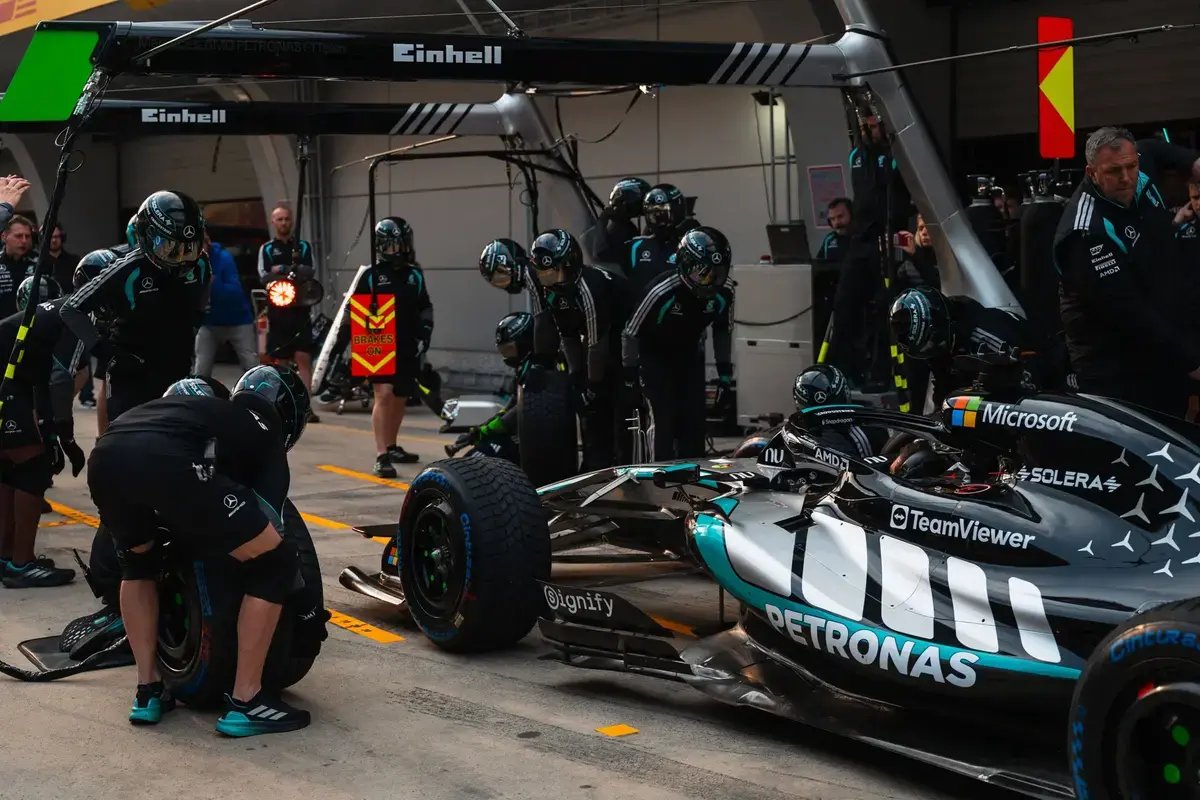
The partnership between Mercedes and Alpine is already in play, with Mercedes supplying power units and transmissions through a contract that runs until 2030. However, under the current budget cap, these synergies may not translate into significant financial returns. Many are questioning if Mercedes is positioning itself strategically in a team that may not have the most secure future, especially as speculations swirl around Francois Provost, the newly appointed CEO of Renault Group, who may not share a passion for motorsport.
Is this all part of a wider trend mirroring the NFL’s franchise model, where team identities become secondary to the business of revenue generation? As the F1 landscape evolves, the lines between traditional team ownership and corporate investment continue to blur, making the acquisition of Alpine’s stake a potentially groundbreaking move for Mercedes.
As the market heats up and more teams become embroiled in the business of F1, the question looms large: will Mercedes solidify its foothold in Alpine, or will this be yet another chapter in the ever-dramatic saga of Formula 1? Fasten your seatbelts; the race for ownership is just getting started!