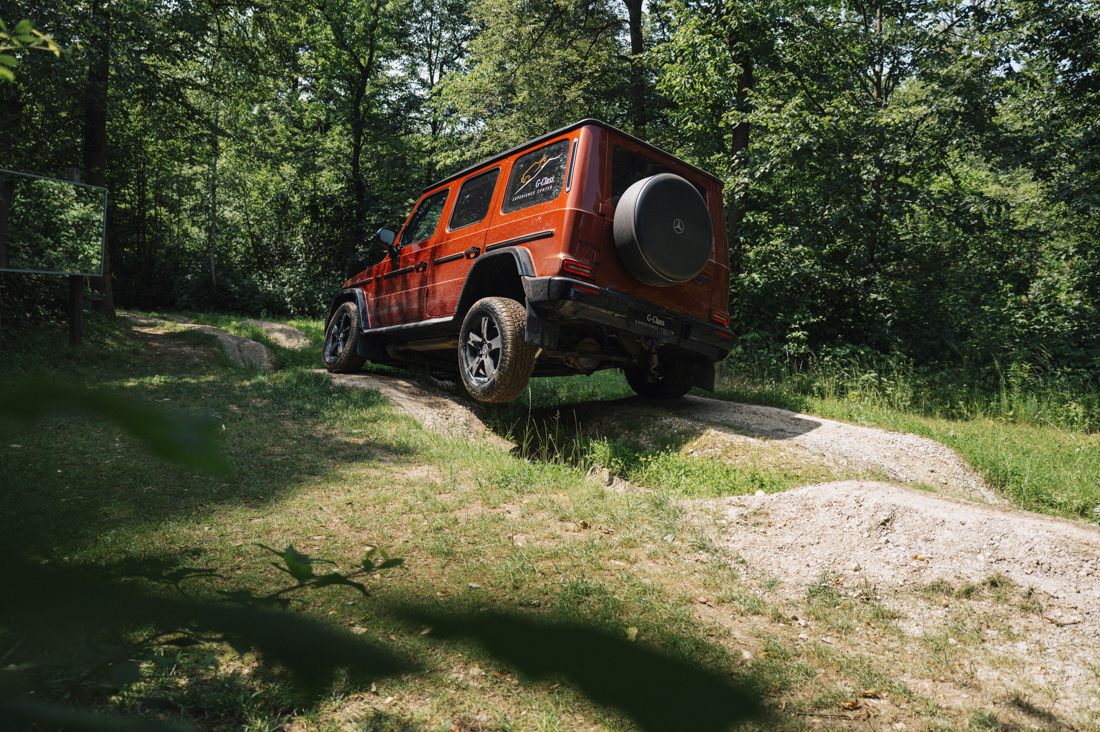
Currently, the Mercedes-Benz group is experiencing troubled times, with the year 2025 ending with a 9% decline in global sales compared to 2024, totaling around 2.16 million cars. However, interestingly, despite all the criticism that Ola Källenius has faced from various shareholders, sales of the sports sub-brand Mercedes-AMG increased by 7%, and those of the G-Class were “simply” the best ever in nearly half a century of existence.
These performances may somehow serve to validate the thesis put forward by the president of the Stuttgart manufacturer when he implemented the strategy that emphasized a greater focus on more exclusive models, with higher profit margins, at the expense of the strategy based on large production volumes, naturally secured by more affordable price offerings and lower profitability. More data tends to point in this direction: the most luxurious and expensive top models accounted for 15% of total sales; Mercedes-AMG had one of its best years ever, with no less than 145,000 deliveries to customers; and one in three S-Class cars sold worldwide was the Mercedes-Maybach version of the top-of-the-line model from the star brand (which, on January 29, will see its most profound update, with the same happening throughout the year for the S-Class and GLS from the ultra-luxury division of the German manufacturer).
Even more impressive, the 49,700 units of the G-Class sold worldwide in the past year, 23% more than in 2024, represents the best commercial result achieved by the legendary off-roader since it was launched in its original generation in the distant year of 1979. And although it does not specify how many units of this total were from combustion engine versions, and the fully electric G 580 with EQ Technology, Mercedes states that the latter contributed significantly to this record and to attracting new customers to the brand, thus contradicting information provided by some sources within the company, which claimed that its acceptance was (very) far from what was expected and desired, even considering it an absolute failure.
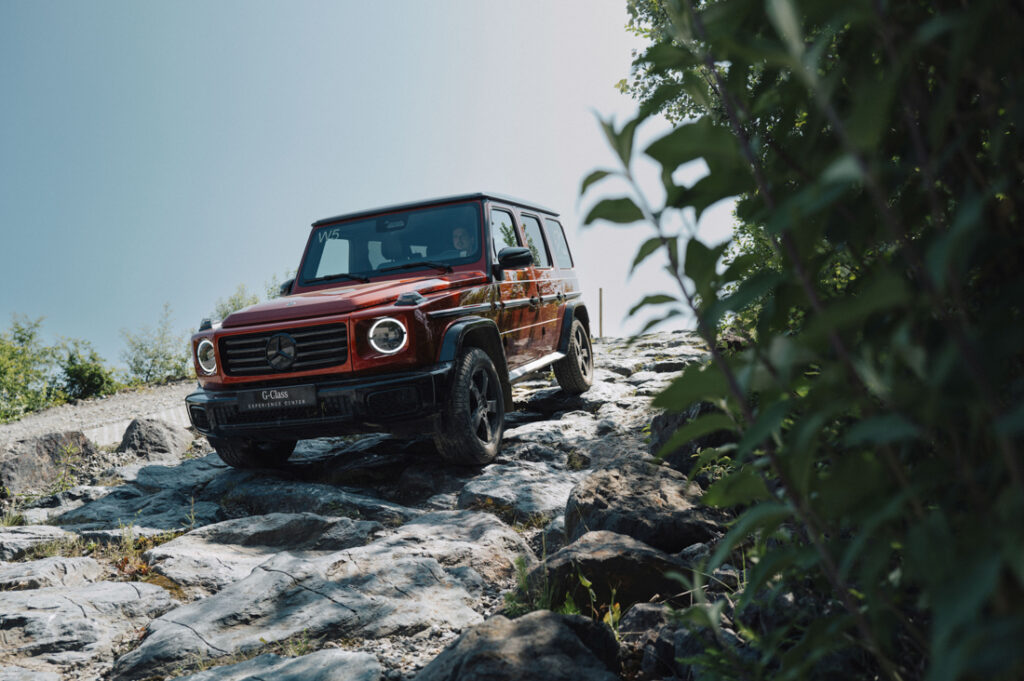
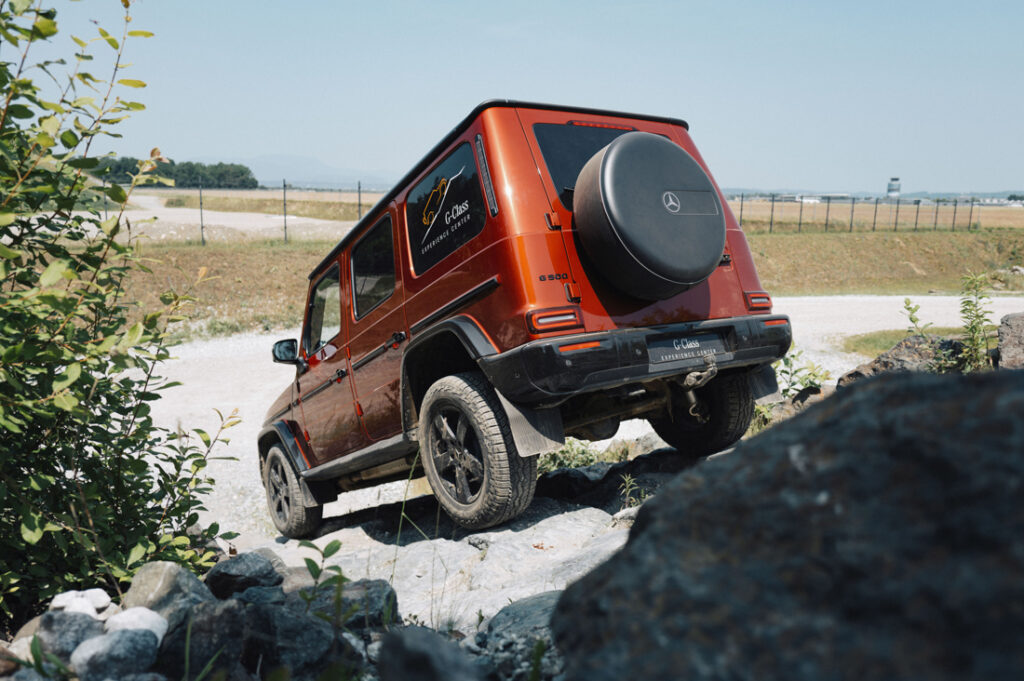
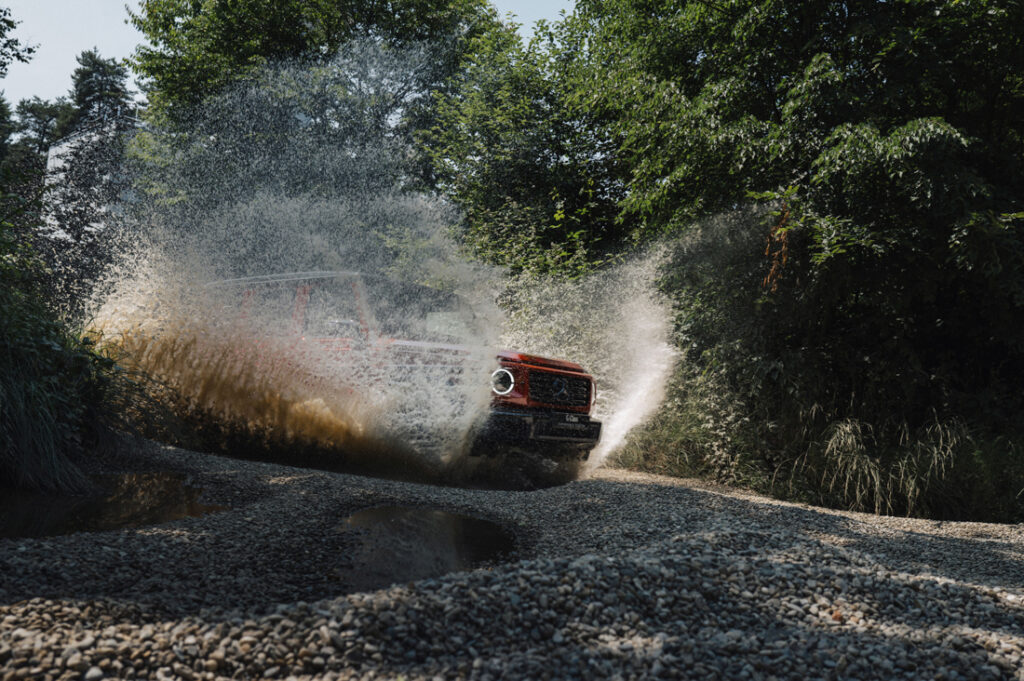
Notably, 2025 was the year when the 600,000th unit of the G-Class was built, and it is no less impressive that around 80% of all units ever built are still in circulation. This is for a model that, ironically, is not manufactured by Mercedes itself, but at the Magna Steyr factory in Graz, Austria.
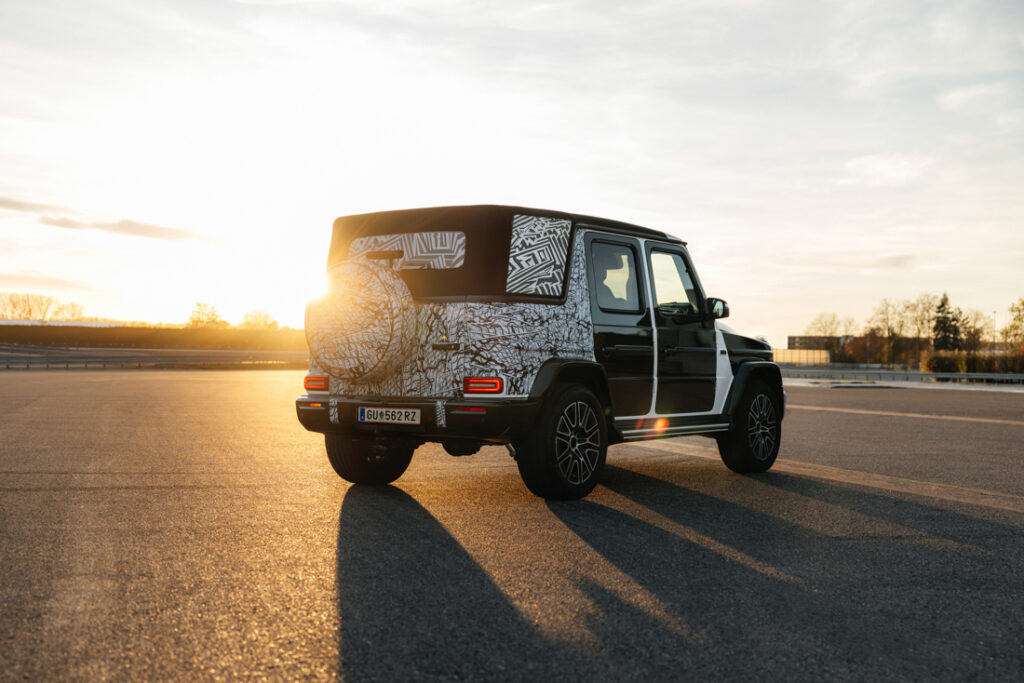
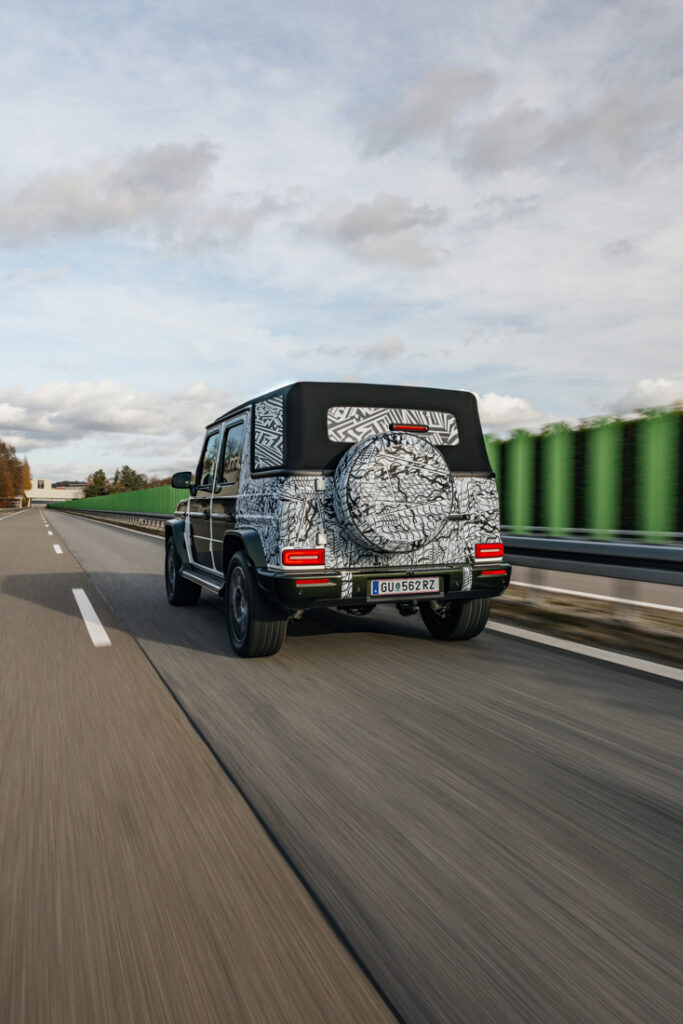
Thus, it is understandable why Mercedes is committed to diversifying the G-Class offering, particularly with the (re)introduction of a convertible variant, with the new G-Class Cabrio already in the development testing phase on public roads in various regions around the globe. There is also confirmation that more derivatives will arrive on the market in due time, even though no details have been revealed about them, whether they are more conventional or more eccentric (such as the Laundelet or the six-wheeled version bearing the AMG badge, which left an indelible mark on the previous generation) – the possibility of the model being equipped with a V12 engine is also not ruled out, considering that Mercedes recently renewed its commitment to maintaining this architecture in its offering.
Another important new feature, with a launch assured but still without a defined date, is the smaller and more affordable G-Class, also known as the “Baby G.” Although it will form an independent range, it will also use a platform consisting of a robust chassis with longitudinal beams and cross members, onto which the body is mounted, even though it is distinct from that used by its “older brother.” It is expected to be available with both combustion engines and 100% electric drivetrains.