Mercedes Faces Harsh Reality: Abu Dhabi GP Highlights Struggles of Ground Effect Era
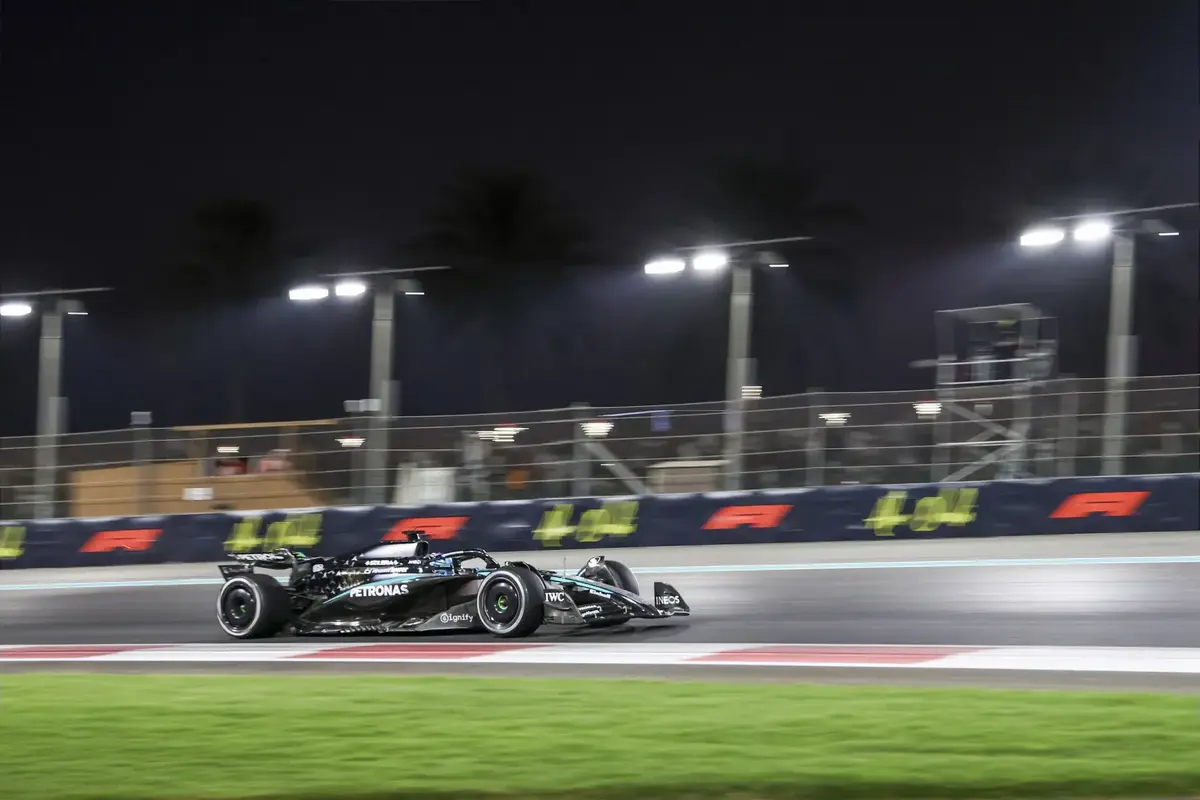
In a stunning admission that reverberates through the corridors of power at Mercedes, team principal Toto Wolff has branded the Abu Dhabi Grand Prix as “mediocre,” encapsulating the turbulent journey the iconic brand has faced in the recent ground effect era of Formula 1. This uninspiring performance at the Yas Marina Circuit has become a stark reminder of the challenges that have plagued the team.
Despite clinching second place in the Constructors’ Championship, a feat overshadowed by the dominance of McLaren, the race outcome left much to be desired. George Russell, who many expected would mount a serious challenge to Lando Norris for the title, faltered dramatically, finishing a staggering fifth—more than 20 seconds adrift of Charles Leclerc’s Ferrari, even after making one fewer pit stop than his rivals. Fellow racer Andrea Kimi Antonelli trailed even further, ending the race in a disappointing 15th position.
Russell didn’t mince words about his last competitive outing with the W16, labelling it as “dreadful.” Wolff echoed this sentiment, acknowledging that the weight of the lackluster performance will linger over the team as they head into the winter break. “First of all, congratulations to McLaren, Lando, Zak, and Andrea and the whole team,” Wolff told reporters, recognizing their exceptional season. “They are deserving World Champions. They have done an outstanding job last year and a very good job this year. Even if it got close with Red Bull and Max Verstappen, I am happy for the team. Obviously, having a Mercedes engine there is nice.”
However, the silver lining of finishing second in the championship was dimmed by the reality of a “really mediocre race” that now casts a shadow on their accomplishments. The Brackley-based squad, once the unbeatable force in F1 with eight consecutive Constructors’ titles from 2014 to 2021, has seen its supremacy challenged by both Red Bull and McLaren, who have emerged as the benchmarks in the sport.
Wolff was candid about the struggles that have defined their season. “The team is working well. Yeah, it shows that these cars are still not very clear to us,” he stated, reflecting the team’s ongoing battle to adapt to the current regulations. He noted that while they experienced some promising weekends, including a decent outing in Qatar, the final race highlighted their persistent difficulties. “We just couldn’t turn the car in [Turn] 9 and in [Turn] 1 because the front drive was suffering so much.”
As the ground effect era draws to a close, there is a palpable sense of relief within Mercedes. Wolff articulated the collective hope for a new beginning, stating, “That is why, personally, and I think as a team, collectively, we are happy that this ground effect era ends. We are embarking on something new.”
As Mercedes reflects on a season filled with challenges and hard lessons, the stark realities of the Abu Dhabi Grand Prix serve as both a wake-up call and a pivotal moment for one of F1’s most storied teams. The road ahead promises to be a bumpy one, but the drive for redemption is stronger than ever as they prepare to reclaim their throne in the world of Formula 1.