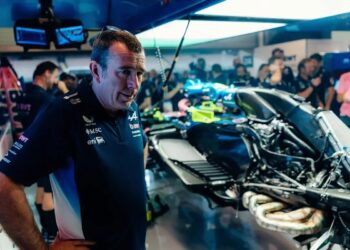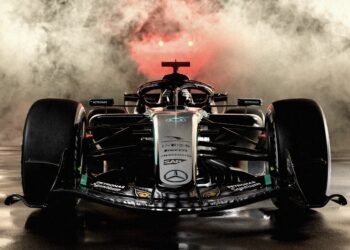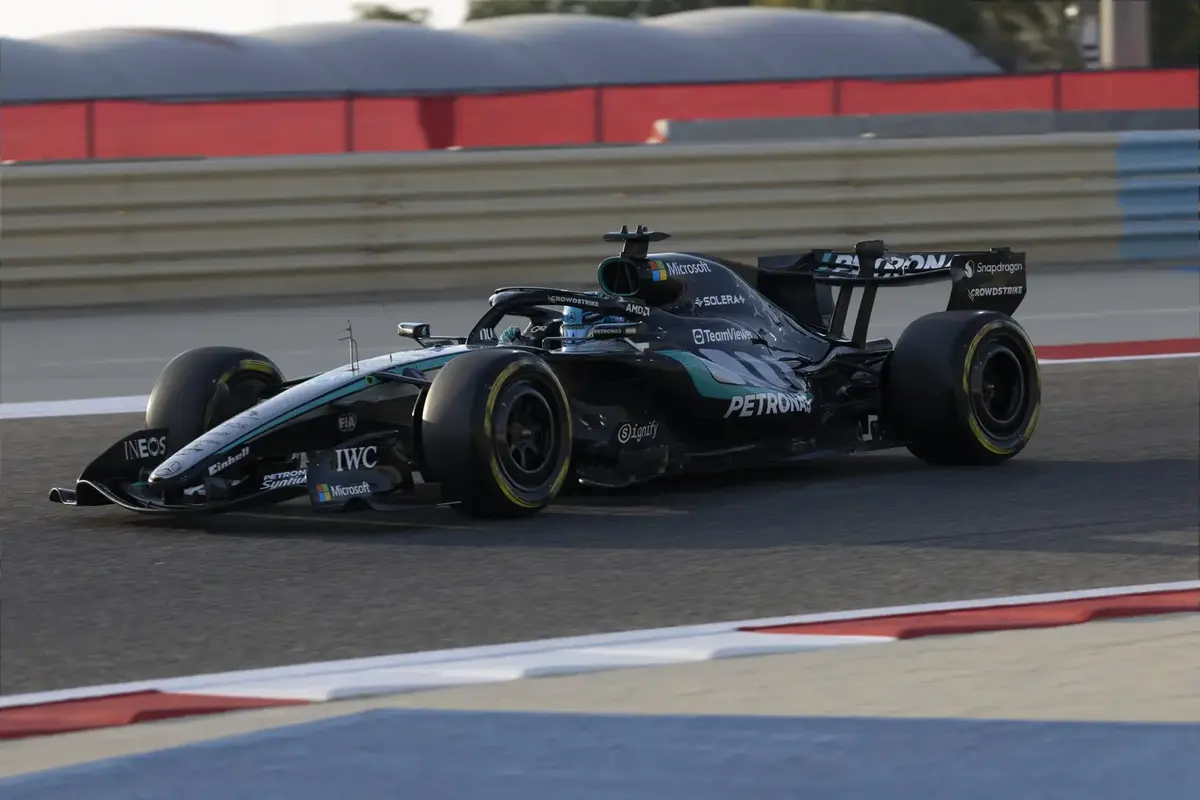
Former Formula 1 engineer Rob Smedley has sparked a heated debate in the motorsport community by declaring that Mercedes is “fairly comfortable” with the legality of its controversial power unit (PU), which has ignited discussions and dissent among rivals. Is Mercedes playing a dangerous game of technical chess, or are they simply ahead of the curve?
As the winter months saw intense speculation surrounding the Silver Arrows’ engine, it became clear that Mercedes was not just resting on its laurels. With new technical regulations capping compression ratios at 16:0 in ambient temperatures, this Brackley-based powerhouse cleverly navigated the fine print of the rulebook. However, it appears that the team is poised to exploit a different ratio during actual race conditions, a move that has sent shockwaves through the paddock.
Rival teams have been quick to raise the alarm, claiming foul play on Mercedes’ part. In response to the outcry, the FIA has announced a mid-season rule change designed to tighten the loophole. Starting June 1, measurements will be taken at both ambient and ‘operative’ temperatures of 130 degrees, just as the season reaches its eighth race—the prestigious Monaco Grand Prix. This change could potentially strip Mercedes of the advantage they hope to gain from their innovative engine design.
In a candid interview, Smedley acknowledged the cutthroat nature of F1 competition, stating, “That’s the nature of the game, isn’t it? Especially with a big ruleset change, you’re always looking for that edge.” His insights reveal the relentless pursuit of competitive advantage that defines the sport. While he refrained from outright declaring the PU legal, Smedley expressed sympathy for Mercedes, implying that their strategic maneuvering is simply part of the game.
Toto Wolff, the team principal of Mercedes, has been unwavering in his defense of the PU's legality. He bluntly urged disgruntled competitors to “get your s*** together,” underscoring the fierce rivalry that permeates the sport. Smedley concurs, suggesting that Mercedes would not have ventured into such risky territory without a solid assurance of compliance with regulations. “They will also be doing that in a way that they don’t make any mistake, doing it with counsel from the FIA,” he remarked.
As the tension mounts, it’s clear that the FIA’s new measures could either level the playing field or spark an even fiercer battle among competitors. Mercedes appears confident in its stance, but if there were any lingering doubts about the legality of their PU, Smedley asserts that the team would have undoubtedly chosen a different course of action.
With the 2023 F1 season heating up, all eyes are now on the Silver Arrows. Will they maintain their competitive edge, or will the new regulations cut their ambitions short? As the Monaco Grand Prix approaches, the stakes have never been higher, and the fallout from this power unit saga could reshape the championship landscape. Buckle up, F1 fans—this season promises to be a thrilling ride!