Mercedes and Red Bull in Hot Water Over Controversial 2026 F1 Engine Regulations!
As Formula 1 gears up for the highly anticipated 2026 season, a storm of controversy is brewing that could shake the very foundations of the sport! With just over five weeks until the new power units are unleashed at the Circuit de Catalunya, questions are swirling around the integrity of the regulations and the practices of the leading teams.
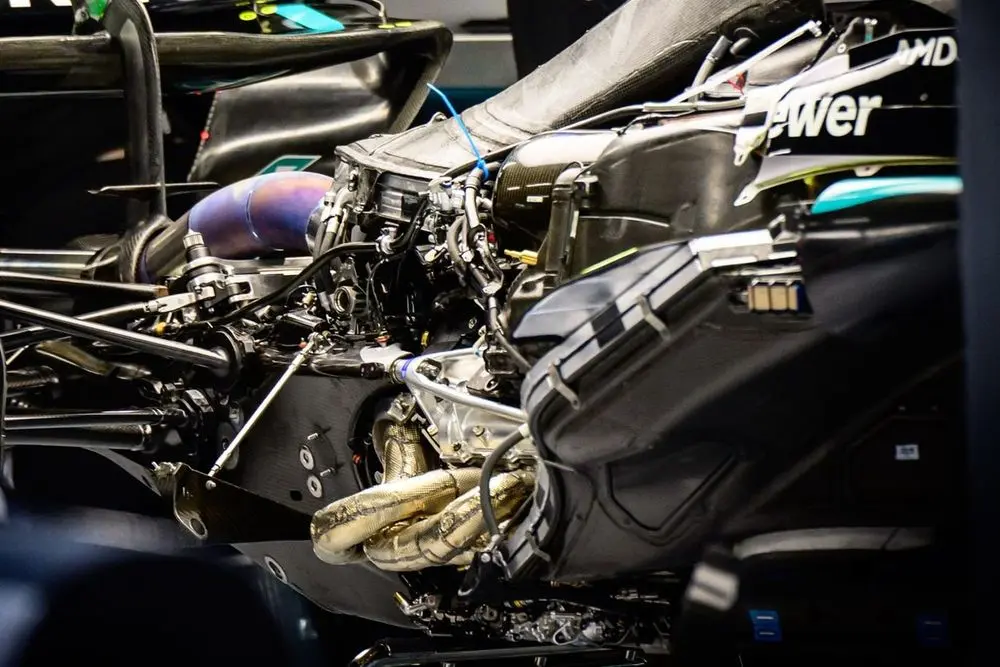
According to reports from a prominent German publication, several engine manufacturers—including the titans Mercedes and potentially Red Bull Powertrains—have raised eyebrows with their interpretations of the new engine compression ratio rules. The 2026 regulations have slashed the maximum compression ratio from a robust 18.0:1 to a significantly lower 16.0:1, but it seems some teams may be looking for loopholes to skirt the rules.
The crux of the issue lies in whether these teams can exploit temperature variations to manipulate the compression ratio during a race. While the regulations stipulate that the compression ratio be checked at ambient temperature, doubts have emerged about whether teams could use materials that expand under heat to effectively alter their engine performance mid-race. This blatant disregard for compliance could lead to a seismic shift in the competitive landscape, as rival teams like Ferrari, Audi, and Honda have formally sought clarification from the FIA on these questionable practices.
The FIA has stated, “The topic has been and continues to be discussed in the technical forums with the PUMs (power unit manufacturers), as the new limit naturally raises questions about interpretation and compliance.” They have pledged to ensure fairness and clarity, hinting at possible adjustments to regulations or measurement procedures if necessary. However, it’s alarming that suspicions have arisen before any of these engines have even hit the track!
Previously, in the cutthroat world of F1, even a minor personnel change can expose a team’s secrets, and this season appears no different. The governing body has reiterated that the regulations clearly define the maximum compression ratio and the method of measurement, which must remain consistent regardless of temperature fluctuations. The FIA added, “It is true that thermal expansion can influence dimensions, but the current rules do not provide for measurements to be carried out at elevated temperatures.”
With the stakes higher than ever, will Mercedes and Red Bull be able to navigate this treacherous landscape without stepping into a compliance quagmire? Or will the FIA’s vigilance be enough to ensure that the 2026 season starts on a level playing field? As the clock ticks down to the season opener, all eyes will be on the teams, the regulators, and the controversies that threaten to overshadow the thrilling races ahead!