McLaren Chief Zak Brown Advocates for the Return of High-Stakes Refuelling in F1: A Game-Changer or a Recipe for Disaster?
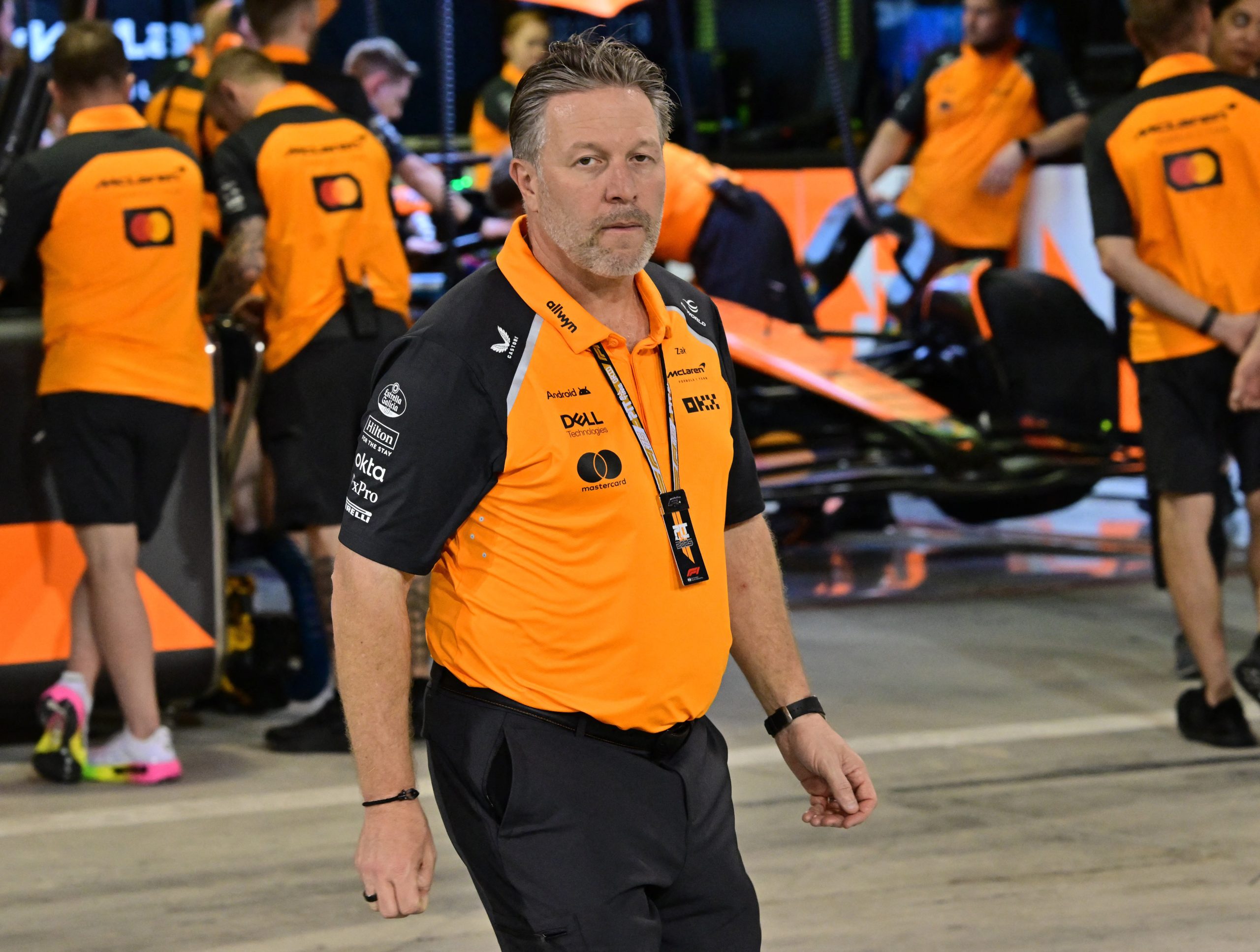
In a bold and controversial statement that has sent shockwaves through the motorsport world, McLaren CEO Zak Brown is pushing for the return of refuelling to Formula 1—a practice that was outlawed over a decade ago due to safety concerns. Brown argues that reintroducing refuelling could add an electrifying layer of strategy to the sport, igniting debates about the balance between thrilling entertainment and the inherent risks involved.
Refuelling was banned in 2010 after a series of alarming incidents, notably in the 1990s, when cars belonging to drivers like Jos Verstappen and Eddie Irvine erupted into flames during pit stops. Fortunately, these dramatic moments did not result in serious injuries to drivers or mechanics. Brown, however, seems undeterred by the past, stating, “I think if we got back into refuelling, it would be cool.” He emphasizes that the strategy surrounding pit stops would become more complex, with teams needing to decide whether to start heavy and go long or run light for a faster initial pace.
The excitement of refuelling lies in its strategic implications. Brown continues, “Weight makes such a difference. Do you run heavy at the start and go long? Do you run light to get a better start? It would add a lot of dimensions to the strategy that I think would be fascinating.” His comments highlight a desire for the sport to evolve and engage fans with a more intricate tactical showdown.
While the fiery incidents of the past are unforgettable, the sport has undergone significant changes, and safety protocols have drastically improved. Verstappen’s infamous pit fire, tied to a missing safety filter, left him largely unscathed after a quick medical check-up. However, his pit crew endured burns, with one member, Simon Morley, receiving particularly severe injuries. In a bizarre twist, Morley and teammate Paul Seaby resorted to unconventional methods to cool off, including standing in a bath and sharing a hose, illustrating the chaotic atmosphere that can unfold during pit stops.
Despite Brown’s and other prominent figures like Lewis Hamilton’s advocacy for refuelling’s return, including its potential to spice up races, the likelihood of this happening remains slim. The financial burden of transporting large refuelling rigs around the globe poses a significant obstacle for a sport already grappling with cost control.
As the debate rages on, one thing is clear: Zak Brown’s provocative suggestion has reignited discussions about the future of Formula 1 and its balance of safety, strategy, and spectacle. Will the sport embrace this daring idea, or will it remain shackled by the ghosts of its past? Only time will tell, but fans are sure to be watching closely as the conversation unfolds.