McLaren's Bold Gamble: Are They Jeopardizing Their F1 Title Defense with a Risky 2026 Strategy?
In a shocking twist within the high-stakes world of Formula 1, McLaren is making waves with a daring strategy for the development of their 2026 racing car. Unlike their competitors, who are racing ahead with significant upgrades, McLaren is taking a more cautious approach that could ultimately determine whether they maintain their championship supremacy or find themselves lost in the chaos of the sport’s most radical regulatory overhaul in decades.
Team Principal Andrea Stella has been vocal about the monumental shift in the technical rules for 2026, describing it as a complete reset that wipes the slate clean of any advantages from their previous championship-winning campaign. This is not just a minor tweak; it’s a seismic shift that could redefine the competitive landscape. By deliberately opting out of the first two days of testing in Barcelona—a strategy Stella confirmed was “always plan A”—McLaren is prioritizing comprehensive workshop development over hastily introducing incomplete components to the track. This cautious methodology is both bold and perilous.
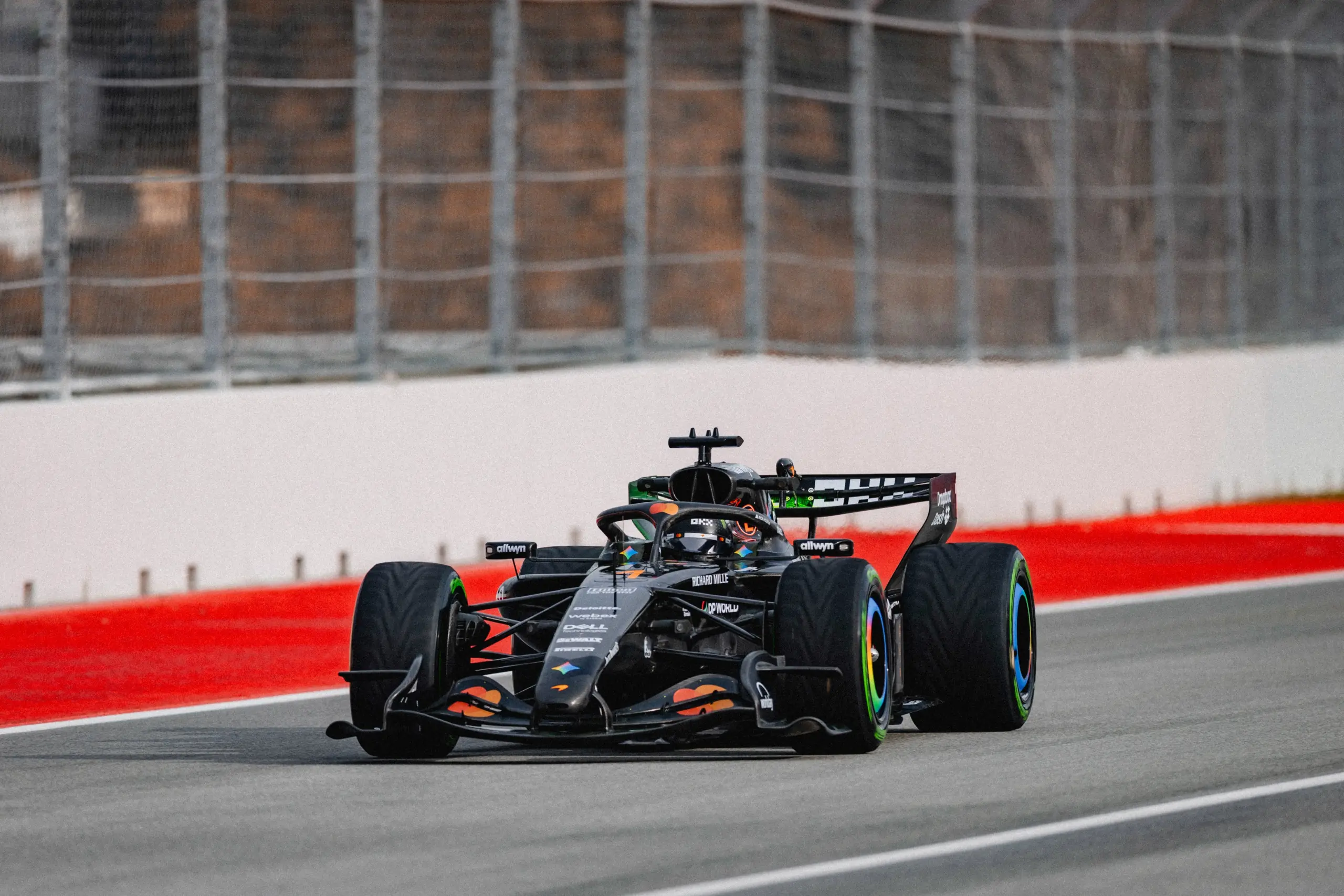
In a move that has raised eyebrows in the paddock, McLaren’s Technical Director Rob Marshall has indicated that major updates are unlikely to materialize between testing and the season opener. Instead, the focus remains firmly on understanding the radically new car, which combines a completely overhauled power unit, chassis, and aerodynamics system. “Building an aeroplane while in flight” is how Stella describes the daunting task ahead. The complexity of mastering such a multifaceted machine while also adapting to new racing dynamics is a challenge few teams have dared to embrace.
As reigning constructors' champions, McLaren enters the 2026 season with only 70% of the allowed wind tunnel hours—an allocation that is the lowest in the grid. This limitation could prove to be a critical disadvantage during such a pivotal regulatory reset, where aerodynamic testing is paramount. Should the baseline specification of the MCL40 reveal fundamental flaws, McLaren's ability to pivot and adapt could be severely handicapped compared to rivals with more generous testing allowances.
This audacious strategy sharply contrasts with that of teams like Ferrari, who are set to unleash substantial new components during the initial three-day test in Bahrain. The divergence in approaches raises a crucial question: Is McLaren risking their title defense by sticking to a development strategy that prioritizes understanding over aggressive upgrades?
The stakes couldn’t be higher as the team navigates this treacherous landscape. Fans and analysts alike are left to wonder if McLaren's calculated caution will pay off or if they are setting themselves up for a fall as they face an uncertain future in the fiercely competitive arena of Formula 1.
As the countdown to the new season continues, the Formula 1 community is buzzing with anticipation. Will McLaren’s bold move secure their legacy, or will it be the catalyst for their downfall? The answer lies just around the corner as the world of motorsport holds its breath.