F1 IN DANGER: McLaren's Urgent Call for Safety Overhaul After Near-Disaster!
In a shocking revelation from the heart of the Formula 1 community, McLaren's team principal Andrea Stella has issued a dire warning following a terrifying near-miss involving driver Oliver Bearman. The incident, which could have ended in catastrophe, has ignited a fierce debate about safety protocols in the high-octane world of F1 racing.
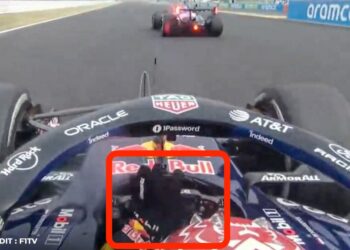
During the pre-season testing phase, Stella was an outspoken advocate for safety, voicing his concerns about the perilous situation created by varying energy harvesting and deployment speeds among competing cars. His fears were tragically validated during the third race of the season, when Bearman found himself in a life-threatening scenario. He was caught off guard, trailing the recharging Alpine of Franco Colapinto, which resulted in a harrowing spin at breakneck speeds before crashing into the barriers with a bone-crushing impact of 50G.
The alarming reality? The closing speed between Bearman and Colapinto's cars was a staggering 30 mph, a recklessly dangerous difference that could have easily resulted in severe injury or even worse. Thankfully, Bearman emerged from the wreckage with only minor bruises, but the incident underscored the urgent need for change.
Stella's clarion call for immediate action is not one to be ignored. “When it comes to the incident that involved Oliver, the closing speed can be as significant as it is when one car is lifting energy and the other is deploying,” Stella emphasized during a media briefing. “This is not a surprise; we need the FIA to prioritize this in the upcoming regulations discussions for 2026.”
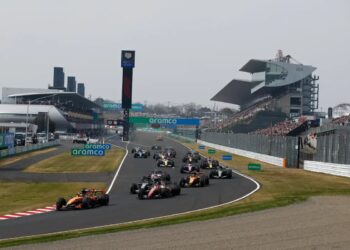
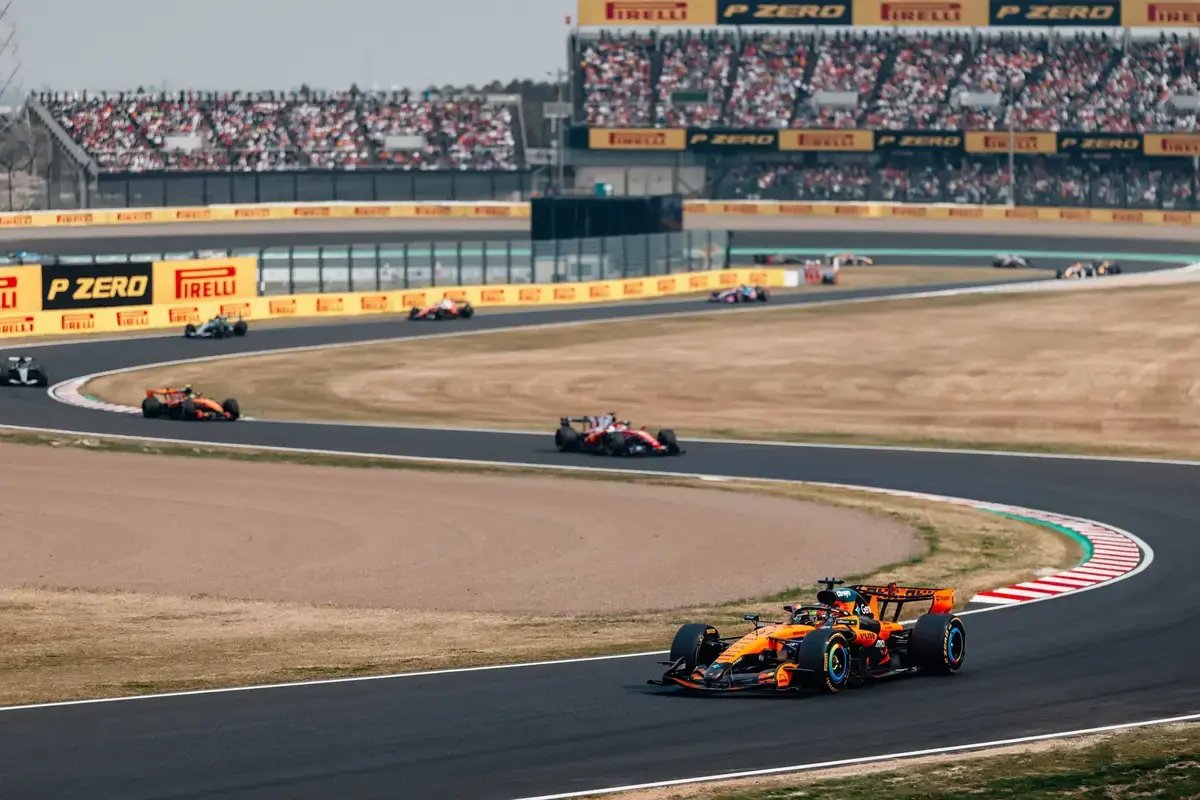
The McLaren chief is adamant that the time for talk is over. “We don't want to wait for calamities to enforce safety measures,” he declared. “The Japanese GP incident was a wake-up call. Oliver was lucky this time, but we have a responsibility to prevent such situations from ever occurring again.”
As the racing world holds its breath, the question looms: Will the FIA heed McLaren's demands for sweeping safety reforms? The clock is ticking, and the stakes have never been higher in the relentless pursuit of speed. Fans and drivers alike are calling for a paradigm shift in how safety is approached in F1—before the next near-miss turns into a tragedy. The call to action is clear. Will F1 rise to the challenge, or will it continue to flirt with danger on the racetrack? The answer could define the future of the sport.