F1 REVOLUTION: McLaren Hails Game-Changing Start Procedure Amid Turbo Concerns
In a dramatic turn of events, the Fédération Internationale de l'Automobile (FIA) has kicked off crucial tests on a new, extended starting procedure for the 2026 Formula 1 season, igniting a wave of excitement and concern within the motorsport community. The McLaren team, known for its relentless pursuit of excellence, raised alarms about the complexities of the new system—particularly the challenges posed by achieving the optimal turbo rotation necessary for a flawless launch.
As the spotlight shines on the new power units, drivers are now required to keep their engines revving at high RPMs for over ten seconds before the lights go out, an unprecedented demand that has left many scratching their heads. Andrea Stella, the team principal of McLaren, has voiced concerns about the possible pitfalls of such a procedure, highlighting the risk of problematic starts that could derail a driver's race before it even begins.
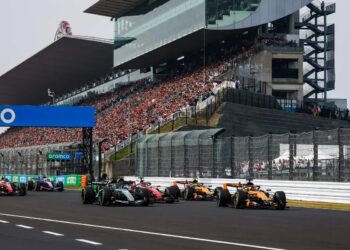
After intense discussions during the recent F1 Commission meeting in Bahrain, the FIA has introduced a strategic five-second buffer between the grid alignment and the start sequence. This innovative change aims to alleviate some of the anxiety surrounding the new launch protocol. Following a successful simulation session on Wednesday, the initial results have been promising, with a clean takeoff reported by the end of the day.
Mark Temple, a key figure at McLaren, expressed satisfaction with the trial run, stating, “There were some concerns raised previously, and this was an opportunity to gather various cars and simulate what we expect the real launch procedure to be. From what I observed, everything seemed quite normal, which helps to dispel fears. When everyone is prepared and follows the procedures, there shouldn't be a significant issue.”
However, the excitement doesn't end there. The FIA has committed to continuing this experimental approach after each track session until all tests conclude. This thorough assessment will pave the way for a final decision ahead of the season opener in Australia. While Temple is optimistic about the new system's functionality, he acknowledges that minor adjustments may be necessary, and further feedback from drivers and teams will play a crucial role in shaping the final protocol.
As the 2026 season approaches, all eyes are on McLaren and the FIA as they navigate this pivotal moment in F1 history. Will the new starting procedure enhance the spectacle of racing, or will it introduce unforeseen complications? One thing is for sure: the stakes have never been higher, and the world of Formula 1 is poised for a sensational evolution.