McLaren's Frustration with Mercedes: A Call for Transparency in F1 Collaboration!
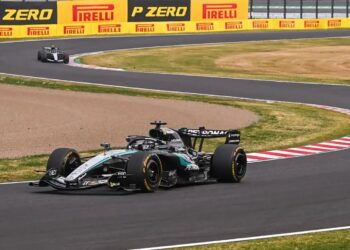
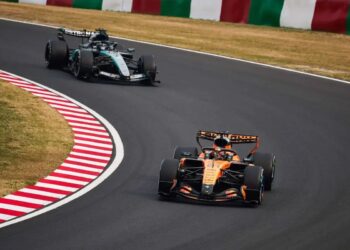
In a season marked by tension and underperformance, McLaren has emerged as a vocal critic of its engine supplier, Mercedes, raising alarm bells about the critical lack of information being shared between the two teams. The iconic papaya squad, which has reigned as Constructors' Champion for the past two seasons, is now grappling with a staggering performance gap, illustrated vividly by George Russell's 50-second lead over the McLaren team. This significant disparity has ignited speculation within the paddock regarding whether Mercedes is doling out preferential treatment to its factory team while leaving its customer teams—like McLaren, Williams, and Alpine—struggling in the dust.
Andrea Stella, the team principal of McLaren, has been forthright in expressing his concerns regarding the communication breakdown with Mercedes High Performance Powertrains (HPP). “The discussion about obtaining more information has dragged on for weeks,” Stella lamented. “During testing, we were practically left to our own devices, driving the car and analyzing data without the comprehensive insights we need. This is not how Formula 1 operates!”
In an industry where data-driven decision-making is paramount, Stella's comments underscore a troubling reality: the inability to simulate on-track conditions and predict vehicle behavior is leaving McLaren woefully behind. “In Formula 1, you need to know what's happening on the track, you need a plan for vehicle evolution based on solid data,” he added, highlighting the stark disadvantage McLaren faces as a customer team.
The urgency to bridge the information gap is palpable. Stella is adamant that a more robust exchange of information with the Brixworth factory is crucial for McLaren's resurgence. He even referenced comments from Williams' James Vowles, who expressed surprise at the efficiency of the Mercedes engine's power distribution. “We've invested considerable time analyzing various overlays—not just with HPP, but also with other competitors. The results indicate that we have a long way to go as a team in collaboration with our HPP engineers,” Stella stated.
With the stakes higher than ever, McLaren is determined to tap into the full potential of the Mercedes power unit. Yet, as Stella pointed out, the path forward remains uncertain. “The factory team and HPP have been working closely together for a long time, sharing insights and strategies on how to maximize the power unit’s effectiveness. While that’s only fair, we need to ramp up our collaboration with HPP. There are easily obtainable advantages that we must exploit,” he asserted.
Stella's candid acknowledgment of McLaren's current struggles is a clarion call for change. “Whether we are underutilizing available parameters or whether we are restrained by systemic factors beyond a customer team's control, we need further analysis,” he concluded. The future of McLaren's performance hinges on this critical partnership with Mercedes, and the clock is ticking. Will they rise to the challenge, or will the papaya team remain shackled by a lack of communication? Only time will tell, but the pressure is mounting for both teams to deliver.