
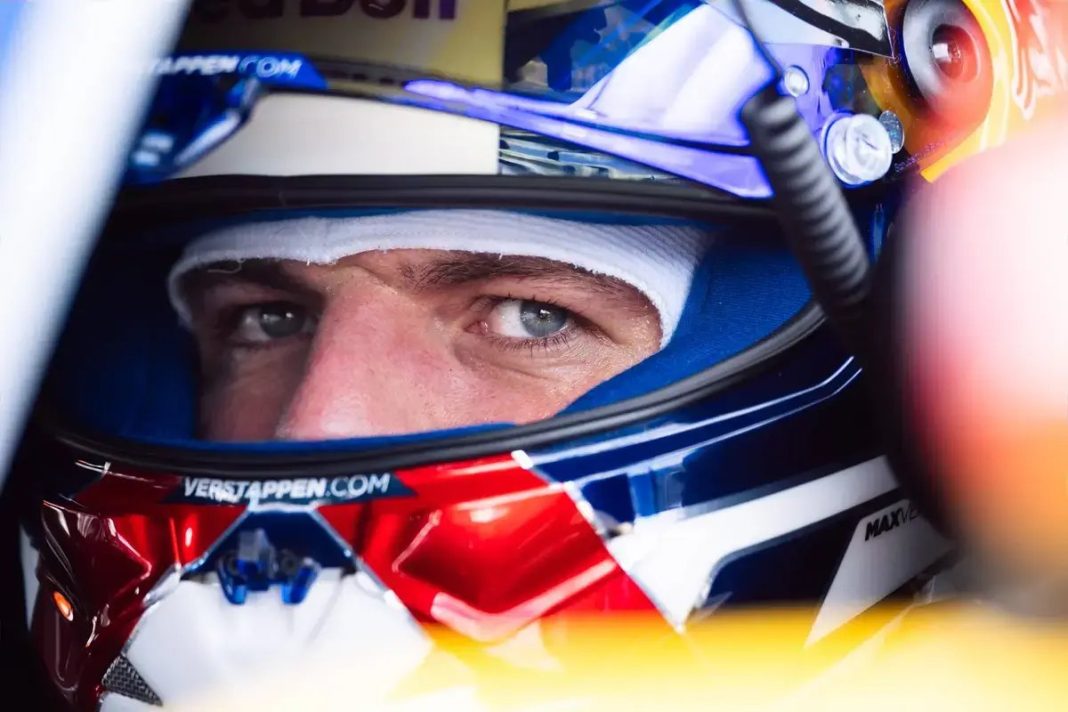

Max Verstappen's Potential Departure: A Catastrophic Blow to Formula 1’s Financial Landscape
In the high-octane world of Formula 1, few names resonate as powerfully as that of Max Verstappen. Since his explosive entry into the sport, Verstappen has been nothing short of a phenomenon, captivating audiences and dominating headlines. But now, whispers are growing louder about a potential exit from the sport that could send shockwaves through the very foundations of F1.
Verstappen's illustrious journey began with a historic victory at the 2016 Spanish Grand Prix, and since then, he has been at the epicenter of some of the most thrilling narratives in F1 history. From his gripping title clash with Lewis Hamilton in 2021 to his remarkable comeback last season, Verstappen has consistently proven to be the sport’s most compelling figure. Whether hailed as a hero or reviled as a villain, one thing remains indisputable: the Dutch driver is an electrifying presence on the track.
However, the 2026 season has seen Verstappen openly express his frustration with the new car regulations, hinting that he may be at a crossroads in his career. Reports suggest that he is “seriously considering” retirement, a move that would undoubtedly leave fans and pundits alike reeling.
But what would a Verstappen exit mean for Formula 1? The implications are staggering. Beyond the loss of one of the most formidable talents in racing history, F1 could face a staggering financial downturn. According to Rob Wilson, a Professor of Applied Sport Finance at the University Campus of Football Business in London, losing Verstappen could cost the sport upwards of $100 million annually.
“From an F1 perspective, Max isn’t just another F1 driver; he’s the defining athlete of the current era,” Wilson stated. “His performances have not only driven viewership but have significantly influenced audience demand, particularly in key European markets where he boasts a massive following.”
With Formula 1 raking in approximately $3 billion annually, primarily through media rights and venue hosting fees, Verstappen's impact cannot be overstated. His presence alone adds considerable weight to the sport’s narrative and commercial appeal. A decline in global viewership and engagement, which could follow his departure, would hit F1 hard—resulting in a loss that is not merely a drop in revenue but a monumental shift in the sport’s overall landscape.
Moreover, the “star power” that Verstappen brings is invaluable and difficult to quantify. The thrilling rivalries and captivating stories he generates are integral to F1’s allure, and without him, the sport risks losing its sparkle. While it’s true that F1 is a breeding ground for new talent, the void left by Verstappen would be a daunting challenge to fill.
As the world watches and waits, the question looms large: Can Formula 1 survive without its superstar? If Verstappen’s potential exit becomes a reality, the repercussions will be felt far and wide. The race is on—not just on the track but in the boardrooms and beyond, as the motorsport world holds its breath, contemplating a future that may be drastically altered without its flying Dutchman.