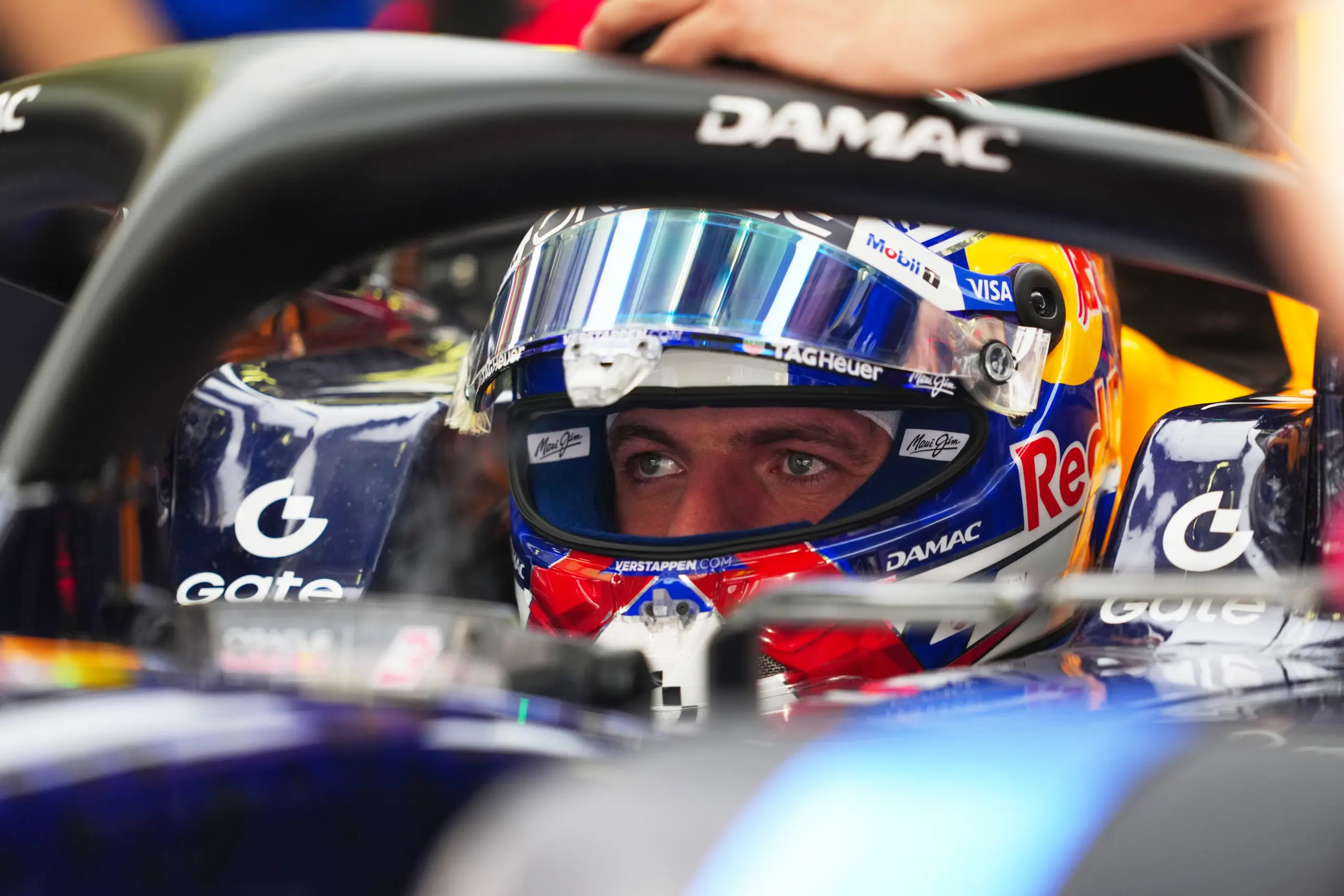
Max Verstappen's fiery remarks about the new generation of Formula 1 cars have sent shockwaves through the paddock, prompting a robust response from FIA single-seater director Nikolas Tombazis. The reigning world champion slammed the 2026 machinery, dubbing it “Formula E on steroids” and expressing a strong desire to ditch the battery power in favor of a traditional “nice engine.” This bold critique has ignited a fierce debate about the future of F1 and its commitment to electrification.
As Formula 1 embarks on a radical transformation with its new chassis and power unit regulations, the stakes have never been higher. The shift to a near 50/50 balance between internal combustion engines and electric power has fundamentally altered the way drivers approach racing. The energy deployment strategy has become a crucial element of performance, requiring pilots to master battery management like never before.
In the wake of Verstappen’s outburst, Tombazis acknowledged that the FIA is listening intently to driver and team feedback. “The sport has many stakeholders,” Tombazis explained, emphasizing the importance of the drivers while also recognizing the influence of major manufacturers like Mercedes and Audi. This nuanced perspective highlights the balancing act the FIA must perform as it navigates the turbulent waters of change.
With the potential for modifications on the horizon, the FIA is not closing the door on adapting the energy deployment rules. Concerns have risen about how races will unfold at energy-intensive circuits such as Melbourne’s Albert Park and the Jeddah Corniche Circuit, where opportunities to recharge are scarce. Tombazis reassured fans and teams alike that the FIA is committed to refining the regulations: “We are completely conscious that we may need to make adjustments.”
The feedback from pre-season testing has been overwhelmingly positive, according to Tombazis, who noted that drivers are gradually acclimating to the new cars. “I think the comments in Barcelona and in Bahrain are certainly much better than people going in on the simulator,” he remarked, hinting at a growing acceptance of the new dynamics in play. However, he also acknowledged that not every concern has been addressed, and the FIA is poised to make further changes based on ongoing discussions.
While Tombazis remains optimistic, he recognizes the challenges presented by the current 50/50 power solution, which has been a topic of contention since its inception. “We’ve known that the 50/50 power solution has challenges right from 2022. It’s not new or a surprise,” he stated, underlining the complexity of the situation.
As the world of Formula 1 stands at a crucial crossroads, the dialogue between drivers, teams, and the FIA is more vital than ever. Tombazis's candidness about the need for adjustments speaks volumes about the governing body’s commitment to the sport’s evolution. With iconic brands like Audi and General Motors entering the fray, the future of F1 is set to be as electrifying as it is unpredictable.
In an environment where the landscape is rapidly changing, all eyes will be on the FIA’s next moves and how they address the concerns raised by drivers like Verstappen. As the 2026 season approaches, one thing is certain: the drama off the track is just as riveting as the battles on it. Formula 1 is gearing up for a thrilling ride, and the world is watching.